

Principle and Working Scene Characteristics of Denitrization Fly Ash Pneumatic Conveying Systems
Shandong HeadPowder Engineering Co., Ltd., a leading manufacturer based in Shandong, China, specializes in the design, development, and implementation of advanced pneumatic conveying systems. The company's focus is on providing efficient and reliable solutions for the handling of industrial materials, with a particular emphasis on denitrization fly ash, a byproduct of flue gas desulfurization processes in power plants. The company's expertise in material handling technology has enabled it to develop systems that meet the stringent requirements of modern industrial applications, ensuring safety, efficiency, and environmental compliance. This article delves into the fundamental principles of denitrization fly ash pneumatic conveying systems and outlines the key working scene characteristics that define their operational effectiveness in various industrial settings.
Principle of Denitrization Fly Ash Pneumatic Conveying Systems
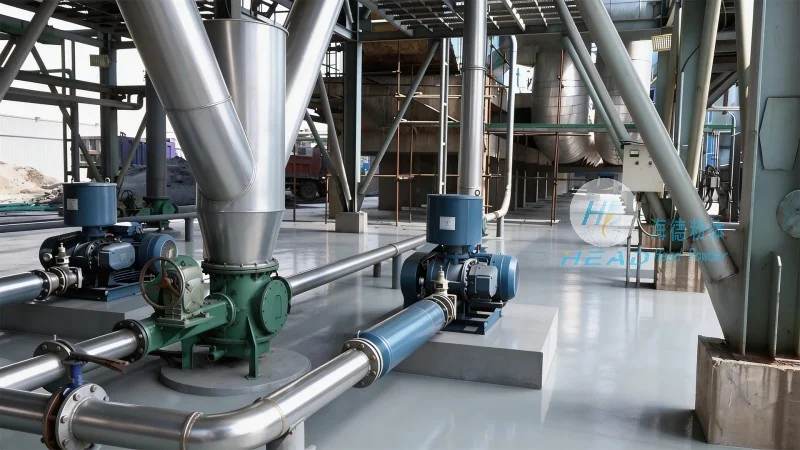
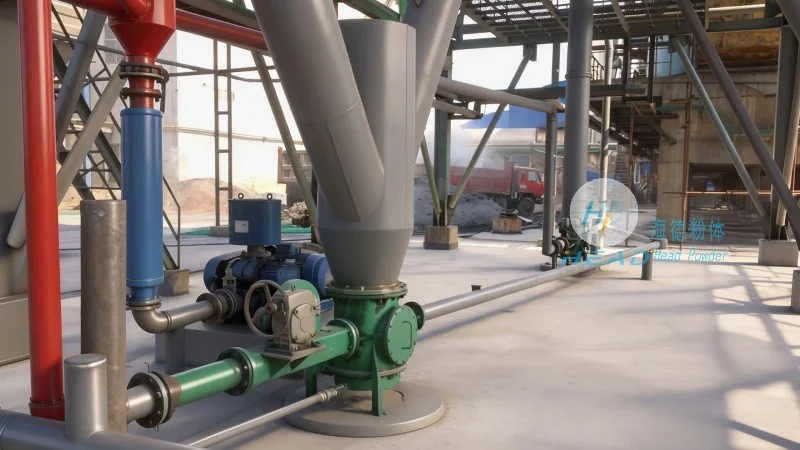
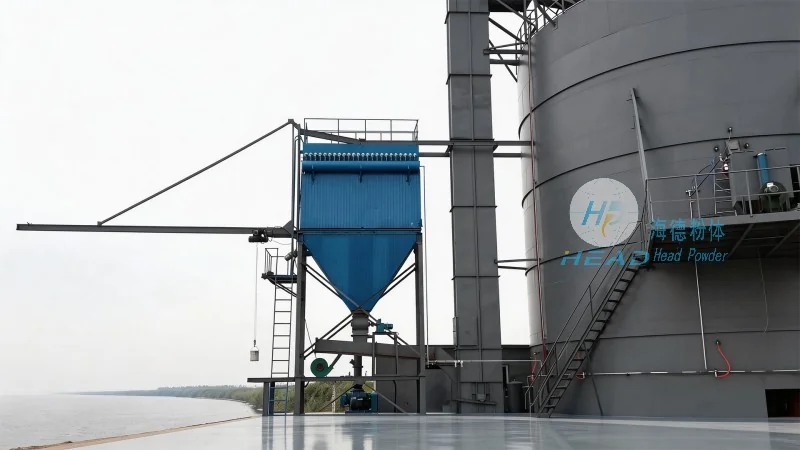
The operation of a denitrization fly ash pneumatic conveying system is based on the fundamental principle of using compressed air or gas to transport particulate materials through a pipeline network. The system functions by creating a pressure differential between the material source and the destination, which allows the material to be entrained and carried by the air flow. The process can be categorized into two primary types: dilute phase and dense phase pneumatic conveying. Dilute phase systems utilize higher air velocities to transport materials in a relatively low concentration, typically at air-to-material ratios of 5 to 10. This method is suitable for materials that are non-abrasive and can be transported over short to medium distances. In contrast, dense phase systems employ lower air velocities and higher material concentrations, often at air-to-material ratios of 1 to 2. Dense phase conveying is preferred for denitrization fly ash due to its fine particle size and abrasive nature, as it minimizes particle degradation and reduces system wear. The system components include a material feeder, a compressor or air supply unit, a pipeline network, and a discharge device. The material feeder, such as a rotary valve or screw feeder, ensures a consistent and controlled flow of fly ash into the system. The compressor, which can be a positive displacement or centrifugal type, provides the necessary pressure to move the material through the pipeline. The pipeline network, typically made of stainless steel or other corrosion-resistant materials, transports the material from the source to the destination. The discharge device, such as a rotary valve or a venturi, regulates the material's release at the end point. The control system, which may include sensors and a programmable logic controller (PLC), monitors and adjusts the air flow and material feed to maintain optimal operation. This principle ensures that denitrization fly ash can be transported safely and efficiently, reducing the need for traditional bulk handling methods like trucks or conveyors and minimizing material loss and contamination.