

Several Solutions for Oat Pneumatic Conveying
HeadPowder, a leading provider of engineering solutions, specializes in the design and implementation of pneumatic conveying systems tailored for oat processing. With decades of experience in the agricultural and food processing industries, the company has developed several effective solutions to address the unique challenges of handling oats efficiently and safely. This article outlines key approaches to oat pneumatic conveying, emphasizing the technical aspects and practical applications that enhance operational efficiency.
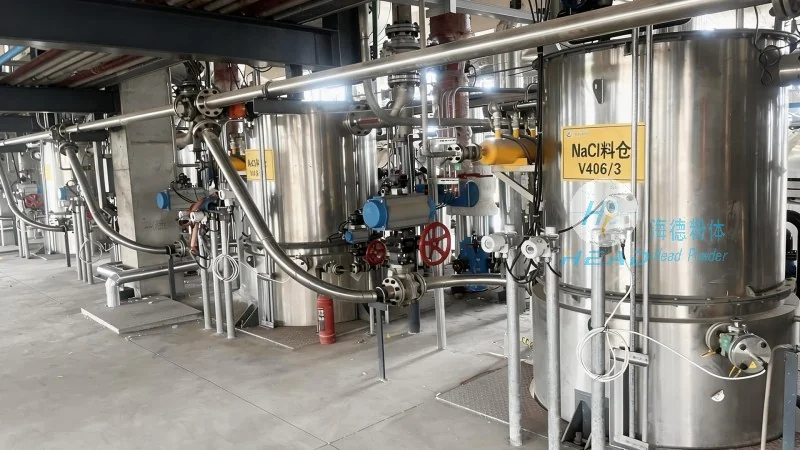
Understanding Pneumatic Conveying Systems for Oats
Pneumatic conveying is a critical technology in the processing of agricultural products, including oats. It involves the transport of bulk materials like oats using air or gas as the conveying medium. The primary advantages of pneumatic systems over traditional mechanical methods include reduced equipment wear, lower maintenance costs, and improved product quality by minimizing physical damage. For oat processing facilities, selecting the right pneumatic conveying solution is essential to ensure consistent performance, maintain product integrity, and optimize production throughput.
Option 1: Vacuum (Suction) Pneumatic Conveying
One of the most common solutions for oat pneumatic conveying is the vacuum or suction system. This method uses a vacuum pump to draw oats from a storage bin or hopper into a conveying line. The vacuum system is particularly effective for short to medium-distance transport, typically up to 100 meters, and is ideal for applications where the material needs to be moved from a lower elevation to a higher one. The HeadPowder team has extensive expertise in designing vacuum conveying systems that can handle the varying moisture content and particle size of oats. These systems are equipped with advanced filtration and separation components to prevent dust accumulation and ensure clean air discharge, meeting environmental and safety standards. The vacuum approach is also beneficial for facilities that require gentle handling of delicate oats, as it minimizes mechanical stress on the grain.
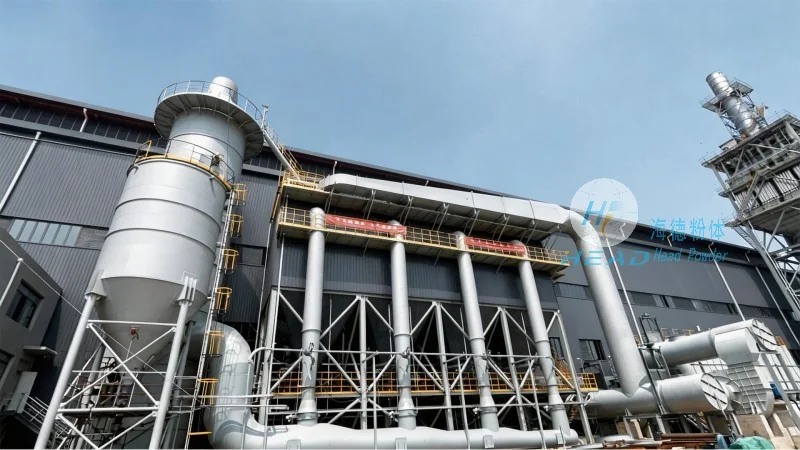
Option 2: Positive Pressure (Pressure) Pneumatic Conveying
For longer transport distances or when moving oats from a higher elevation to a lower one, positive pressure or pressure pneumatic conveying is often preferred. This system utilizes a blower or compressor to generate pressure and push the oat material through the conveying line. Positive pressure systems are capable of covering distances up to several hundred meters and can handle more complex layouts, including vertical lifts and multiple transfer points. HeadPowder engineers have developed robust pressure conveying solutions that can efficiently transport oats while maintaining consistent flow rates. These systems incorporate features such as air-locked valves and surge tanks to regulate the flow and prevent backflow, ensuring smooth operation. The positive pressure approach is particularly advantageous in large-scale processing plants where multiple processing stages are integrated, as it allows for seamless material transfer between different equipment.
Option 3: Hybrid Pneumatic Conveying Systems
In some cases, a combination of vacuum and pressure technologies is employed to create hybrid pneumatic conveying systems. This approach offers flexibility and adaptability for facilities with diverse processing requirements. For example, a hybrid system might use a vacuum stage to collect oats from storage bins and then switch to a pressure stage to transport them to a processing unit. HeadPowder specializes in designing hybrid solutions that optimize energy consumption and operational efficiency. These systems are equipped with intelligent control panels that monitor pressure, flow, and air quality in real-time, allowing for automated adjustments to maintain optimal performance. The hybrid approach is suitable for facilities that handle varying volumes of oats or require flexible transport routes, providing a cost-effective and reliable solution.
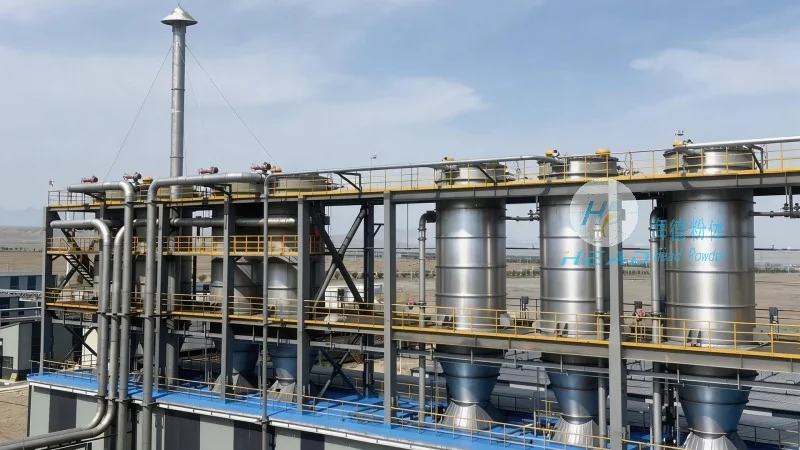
Key Considerations for Oat Pneumatic Conveying
When selecting a pneumatic conveying solution for oats, several factors must be carefully evaluated. The first consideration is the distance and elevation changes required for material transport. Short distances and minimal elevation changes may favor vacuum systems, while longer distances or significant vertical lifts may necessitate pressure systems. The particle size and moisture content of the oats also play a crucial role, as these characteristics affect the air velocity needed for effective conveying. HeadPowder conducts thorough material analysis to determine the optimal air velocity and system configuration. Additionally, the overall layout of the processing facility and the integration with other equipment are critical factors. The company’s engineers work closely with clients to design systems that fit seamlessly into existing infrastructure, minimizing disruptions and maximizing productivity.
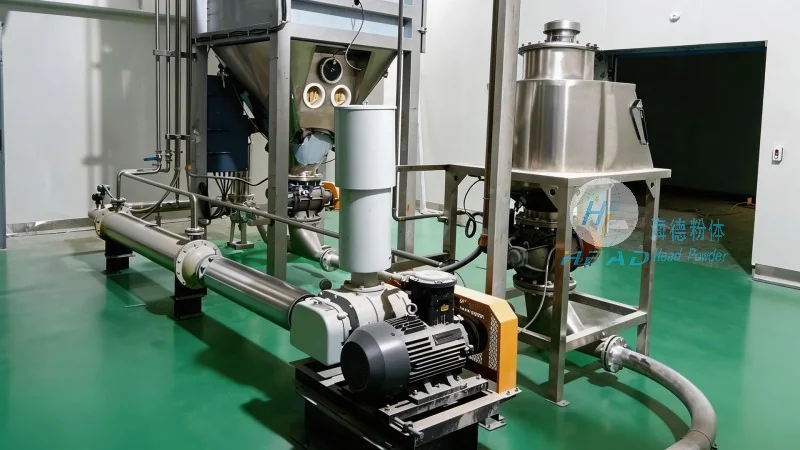
HeadPowder's Expertise and Custom Solutions
Shandong HeadPowder Engineering Co., Ltd. has established itself as a trusted partner in the design and implementation of pneumatic conveying systems for oat processing. With a team of experienced engineers and technicians, the company offers comprehensive services, from initial consultation and system design to installation, commissioning, and ongoing maintenance. HeadPowder’s commitment to quality and customer satisfaction is reflected in its use of high-quality components and adherence to international standards. The company’s solutions are tailored to meet the specific needs of each client, ensuring that the chosen pneumatic conveying system delivers the desired performance and efficiency. By leveraging advanced technology and a deep understanding of oat processing, HeadPowder provides reliable and cost-effective solutions that enhance the overall operational efficiency of oat processing facilities.
Conclusion
In conclusion, the selection of an appropriate pneumatic conveying system is vital for the efficient and safe handling of oats in processing facilities. Whether using vacuum, pressure, or hybrid systems, the right solution can significantly improve productivity, reduce costs, and maintain product quality. HeadPowder, with its expertise and custom solutions, is well-positioned to assist oat processing plants in implementing effective pneumatic conveying systems. By considering factors such as distance, elevation, and material characteristics, facilities can choose the most suitable approach to optimize their operations. The company’s commitment to quality and customer service ensures that clients receive tailored solutions that meet their specific requirements, contributing to long-term success in the oat processing industry.