

Design Considerations for Molybdenum Concentrate Pneumatic Conveying Systems
Molybdenum concentrate is a vital raw material across numerous industrial sectors, and the efficient handling of this material through pneumatic conveying systems is crucial for maintaining production efficiency and product quality. For enterprises engaged in molybdenum processing, selecting and designing an appropriate pneumatic conveying system is a complex endeavor that demands careful evaluation of multiple factors. This article outlines key design considerations for molybdenum concentrate pneumatic conveying systems, emphasizing the expertise and tailored solutions offered by Shandong HeadPowder Engineering Co., Ltd., a leading engineering firm in the field.
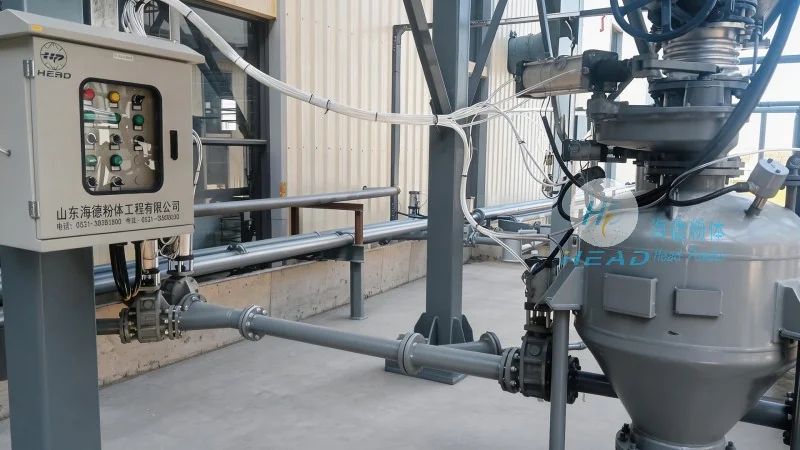
Key Design Considerations for Molybdenum Concentrate Pneumatic Conveying Systems
When designing a pneumatic conveying system for molybdenum concentrate, several critical factors must be assessed to ensure optimal performance, reliability, and cost-effectiveness. The first consideration is the material's physical characteristics, such as particle size, density, and moisture content. Molybdenum concentrate typically consists of fine particles, which can impact the system's air flow and pressure requirements. Proper evaluation of these properties helps in selecting the right type of pneumatic conveying system—whether it is a pressure or vacuum system—and determining the appropriate air velocity and pressure levels.
Material Handling Challenges and Solutions
Handling molybdenum concentrate presents unique challenges due to its fine particle size and potential for dust generation. The system must be designed to minimize dust emissions and ensure safe operation. HeadPowder, as a specialized engineering company, provides advanced solutions such as dust collection systems and sealed conveying lines to address these challenges. Additionally, the system's capacity and flow rate must be matched to production requirements, ensuring that the conveying process does not become a bottleneck in the overall production line.
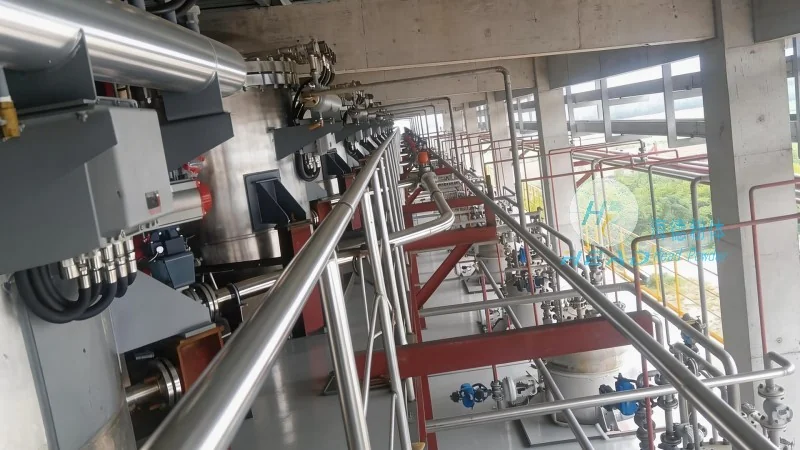
System Components and Integration
A pneumatic conveying system for molybdenum concentrate typically includes several key components: a feeder, a conveying line, a separator, and a receiver. The feeder is responsible for feeding the material into the system at a consistent rate, while the conveying line transports the material using air pressure. The separator separates the material from the air stream, and the receiver collects the material for further processing. The integration of these components is crucial for system efficiency. HeadPowder's engineering expertise ensures that all components are properly sized and integrated to achieve seamless operation, minimizing downtime and maintenance costs.
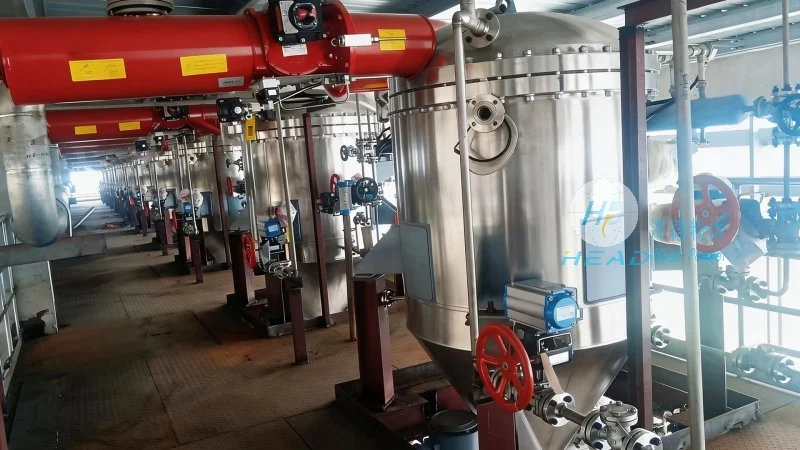
Material Flow and Pressure Management
Effective pressure management is a critical aspect of molybdenum concentrate pneumatic conveying system design. The system must maintain sufficient air pressure to transport the material over the required distance without causing excessive wear on components or high energy consumption. HeadPowder's engineers utilize advanced computational fluid dynamics (CFD) and flow modeling techniques to optimize pressure profiles and ensure efficient material transport. This approach helps reduce energy costs and extend the lifespan of system components.
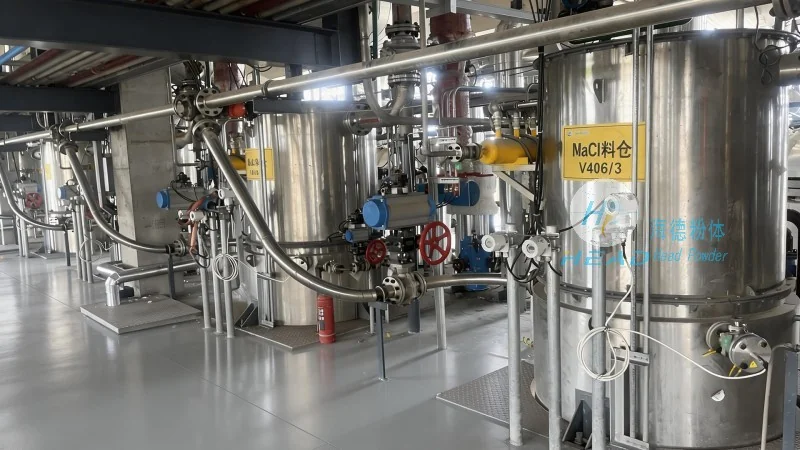
System Maintenance and Reliability
Reliability and ease of maintenance are essential for any industrial system, and molybdenum concentrate pneumatic conveying systems are no exception. HeadPowder designs systems with easy access to components for maintenance, reducing downtime and operational costs. The use of high-quality materials and components, such as corrosion-resistant metals and durable seals, further enhances system reliability. Regular maintenance schedules and monitoring systems are also recommended to ensure the system operates at peak performance.
Environmental and Safety Considerations
Handling molybdenum concentrate involves environmental and safety considerations that must be addressed in the system design. Dust control measures, such as enclosed conveying lines and dust collection systems, are essential to comply with environmental regulations and protect personnel. HeadPowder incorporates these measures into its system designs to ensure safe and environmentally responsible operation. Additionally, the system must be designed to prevent material buildup and blockages, which can lead to safety hazards and system failures.