

Design and Equipment Selection for Pyrolysis Char Pneumatic Conveying
Pyrolysis char, a valuable byproduct in the processing of biomass and other organic materials, often requires efficient and reliable transportation methods to move it from production sites to processing or storage facilities. Pneumatic conveying systems have emerged as a preferred solution for handling pyrolysis char due to their ability to transport materials in a dust-free environment, minimize material degradation, and ensure consistent flow rates. This article provides a comprehensive overview of the design calculations and equipment selection process for pneumatic conveying systems specifically tailored for pyrolysis char, with a focus on practical applications and technical considerations.
Introduction to Pyrolysis Char Pneumatic Conveying
Pyrolysis char, also known as biochar, is a carbon-rich solid residue produced through the thermal decomposition of organic matter in the absence of oxygen. It is widely used in agriculture, environmental remediation, and industrial applications due to its high surface area, porosity, and nutrient retention capabilities. However, the handling of pyrolysis char poses unique challenges, including its fine particle size, high density, and potential for dust generation. Traditional bulk material handling methods, such as belt conveyors or bucket elevators, may not be suitable for pyrolysis char due to the risk of material degradation and environmental contamination. Pneumatic conveying systems offer an effective solution by using air to transport the material through a pipeline network, ensuring a clean and controlled process.
Key Design Considerations for Pyrolysis Char Pneumatic Conveying Systems
The successful design of a pneumatic conveying system for pyrolysis char involves several critical factors that must be carefully evaluated to ensure optimal performance and efficiency. The first step in the design process is to determine the material properties of the pyrolysis char, which include particle size distribution, bulk density, moisture content, and flowability. These properties directly impact the selection of the conveying system type (e.g., dilute phase or dense phase) and the required air velocity and pressure. For example, fine particles with low bulk density may require higher air velocities to maintain a stable flow, while larger particles may benefit from dense phase conveying to reduce energy consumption.
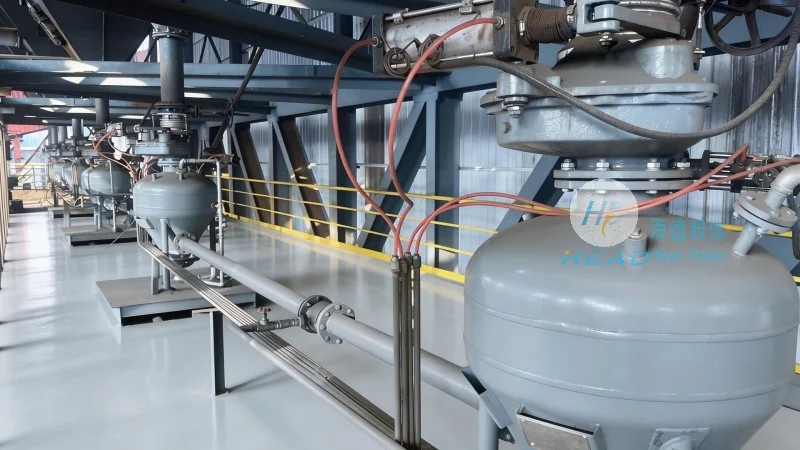
Another crucial design consideration is the system layout and pipeline configuration. The length and elevation changes of the conveying line, as well as the number of bends and fittings, affect the pressure drop and energy requirements of the system. Proper sizing of the pipeline diameter is essential to balance the air velocity and material velocity, preventing excessive pressure losses or material deposition. Additionally, the selection of appropriate air sources, such as centrifugal or positive displacement blowers, is critical to provide the necessary pressure and airflow to overcome system resistance and maintain material transport.
Equipment Selection for Pyrolysis Char Pneumatic Conveying
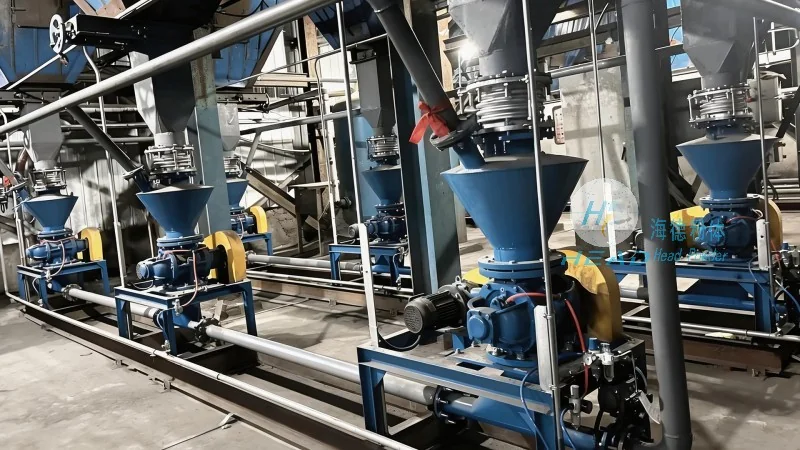
Once the design calculations are completed, the next step is to select the appropriate equipment for the pneumatic conveying system. The key components include the material feed system, air supply unit, conveying pipeline, and material discharge equipment. The material feed system typically consists of a hopper or feeder that ensures a consistent flow of pyrolysis char into the pipeline. The feeder type, such as a rotary valve or screw feeder, is chosen based on the material's flowability and the required feed rate. For pyrolysis char with cohesive properties, a rotary valve may be preferred to prevent material bridging and ensure smooth discharge.
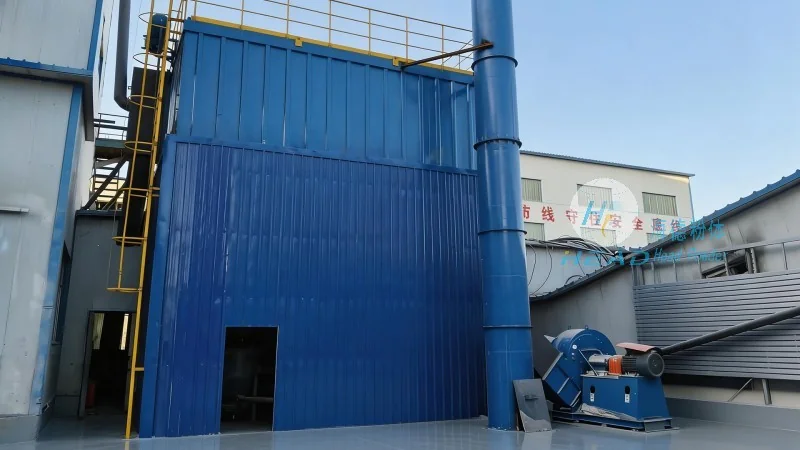
The air supply unit, or blower, is a critical component that provides the necessary pressure and airflow to move the material through the pipeline. Centrifugal blowers are commonly used for dilute phase conveying due to their high airflow capacity and relatively low cost, while positive displacement blowers are preferred for dense phase conveying to achieve higher material transport rates and lower air consumption. The selection of the blower is based on the system's pressure requirements, airflow rate, and the desired material velocity. Proper sizing of the blower ensures that the system operates efficiently and within its performance limits.
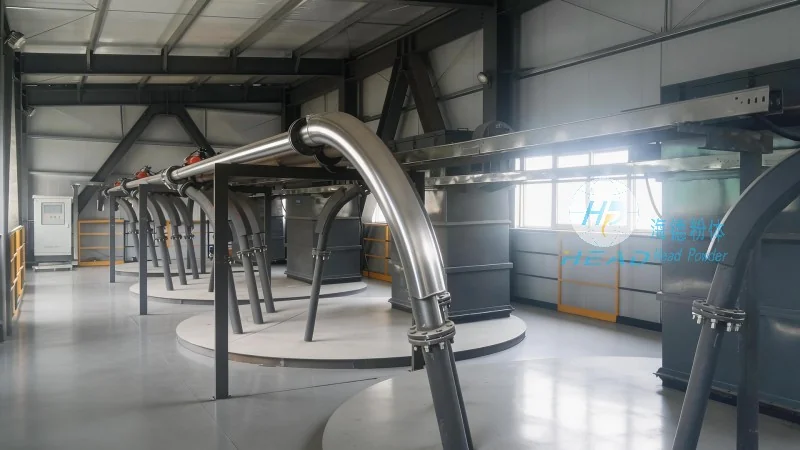
The conveying pipeline is typically made of stainless steel or other corrosion-resistant materials to withstand the abrasive nature of pyrolysis char and prevent material buildup. The pipeline diameter is selected based on the material and air velocities, with larger diameters used for higher material flow rates to minimize pressure losses. The number and type of bends and fittings in the pipeline are minimized to reduce pressure drop and maintain material flow stability. Additionally, the pipeline may include cleaning devices, such as air knives or rotary airlocks, to prevent material deposition and ensure system reliability.
The material discharge equipment, such as a rotary airlock or valve, is used to control the flow of pyrolysis char from the pipeline to the receiving vessel. The discharge equipment must be designed to handle the material's particle size and flow characteristics, preventing blockages and ensuring a smooth discharge process. For pyrolysis char with high moisture content or sticky properties, a rotary airlock with a larger opening or a vibratory feeder may be required to maintain flow and prevent material buildup.
Performance Evaluation and Optimization
After the equipment is installed and operational, it is essential to evaluate the performance of the pneumatic conveying system and optimize it for maximum efficiency. Performance evaluation involves monitoring key parameters such as pressure drop, airflow rate, material velocity, and system power consumption. By analyzing these parameters, engineers can identify areas for improvement, such as adjusting the air velocity, modifying the pipeline layout, or replacing equipment components. Optimization techniques, such as using variable frequency drives (VFDs) to control the blower speed or implementing feedback control systems, can help reduce energy consumption and improve system reliability.
Regular maintenance and inspection of the pneumatic conveying system are also critical to ensure long-term performance. This includes checking for wear and tear on components, cleaning the pipeline and equipment, and replacing worn parts. Proper maintenance can extend the life of the system and prevent costly downtime due to equipment failure. Additionally, monitoring the material quality and flow characteristics over time can help identify changes in the pyrolysis char properties and adjust the system accordingly.
Conclusion
Pneumatic conveying systems offer an effective and efficient solution for the transportation of pyrolysis char, providing a clean and controlled process that minimizes material degradation and environmental impact. The design and equipment selection process for pyrolysis char pneumatic conveying systems require careful consideration of material properties, system layout, and performance requirements. By following the guidelines outlined in this article, engineers and operators can select and operate a pneumatic conveying system that meets their specific needs and ensures optimal performance. As the demand for pyrolysis char increases, the development of advanced pneumatic conveying systems will continue to play a crucial role in the efficient handling and utilization of this valuable byproduct.