

Design of Foam Plastic Pneumatic Conveying Systems
HeadPowder, a leading engineering firm based in Shandong, China, specializes in the design and implementation of advanced foam plastic pneumatic conveying systems. These systems represent a critical solution for the efficient handling and transportation of lightweight, low-density foam plastics, which are widely used in various industries including packaging, automotive, and construction. The design of such systems requires a deep understanding of material properties, fluid dynamics, and industrial application requirements to ensure optimal performance and reliability.
Key Design Considerations for Foam Plastic Pneumatic Conveying
The successful design of a foam plastic pneumatic conveying system hinges on several key factors that directly impact its efficiency, cost-effectiveness, and operational safety. First, the physical characteristics of the foam plastic material must be thoroughly analyzed. This includes its density, particle size distribution, moisture content, and flowability, as these properties dictate the optimal air velocity and pressure required for effective transport. For example, low-density foam plastics often necessitate higher air velocities to overcome low bulk density and prevent material settling or blockages in the conveying line.
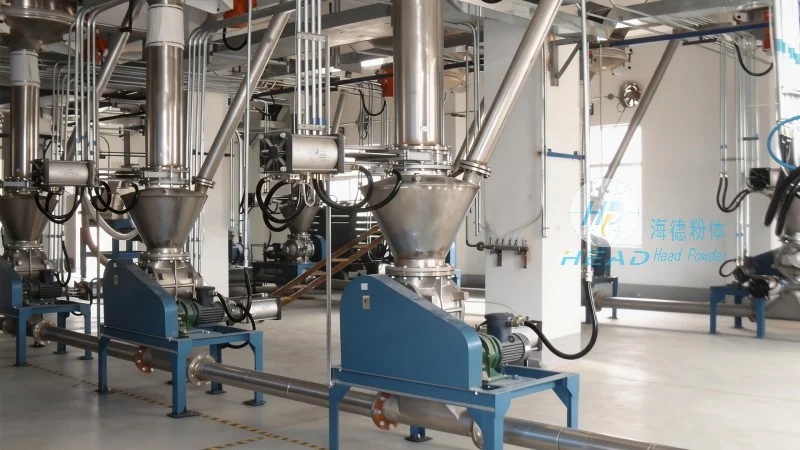
Second, the system's layout and component selection are critical. HeadPowder engineers consider the entire material handling process, from the initial feed point to the discharge point, to minimize energy consumption and maximize throughput. This involves selecting appropriate equipment such as rotary valves, airlocks, and cyclone separators that are specifically designed to handle the unique challenges posed by foam plastics. For instance, rotary valves with adjustable speed controls can regulate the feed rate, preventing overloading and ensuring a steady flow of material into the conveying line. Airlocks, on the other hand, are essential for creating a sealed environment that prevents dust emissions and maintains system pressure consistency.
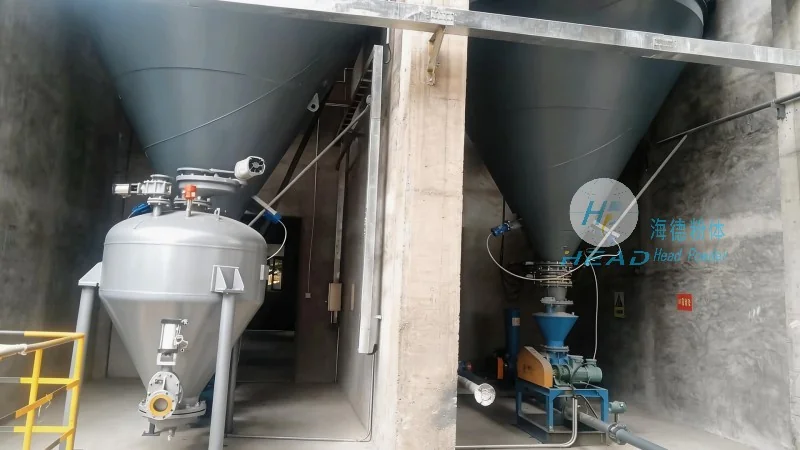
Third, the choice of air compressor and filtration system plays a vital role in system performance. High-efficiency, low-noise air compressors are preferred to minimize energy costs and reduce operational noise, which is particularly important in industrial settings. Additionally, robust filtration systems are necessary to capture fine foam particles and prevent them from clogging the compressor or damaging downstream equipment. HeadPowder utilizes advanced filtration technologies, such as bag filters or cartridge filters, to ensure clean air and extend the lifespan of system components.
Advantages of Foam Plastic Pneumatic Conveying Systems
Implementing a foam plastic pneumatic conveying system offers numerous advantages over traditional bulk material handling methods. One of the most significant benefits is the ability to handle lightweight, low-density materials that are difficult to transport using conventional screw conveyors or belt conveyors. Pneumatic systems can efficiently move these materials over long distances with minimal energy input, reducing operational costs and increasing overall productivity. For example, in the packaging industry, foam plastics are often used for cushioning and insulation, and a pneumatic conveying system can seamlessly integrate with production lines, ensuring smooth material flow from storage to processing.
Another key advantage is the reduced risk of material contamination and cross-contamination. Pneumatic systems operate in a closed environment, which prevents dust and particles from entering the workspace and contaminating other products. This is particularly critical in industries where product purity is paramount, such as pharmaceuticals or food processing. Furthermore, the enclosed design helps maintain consistent material quality by preventing exposure to moisture, dust, or other environmental factors that could degrade the foam plastic's properties.
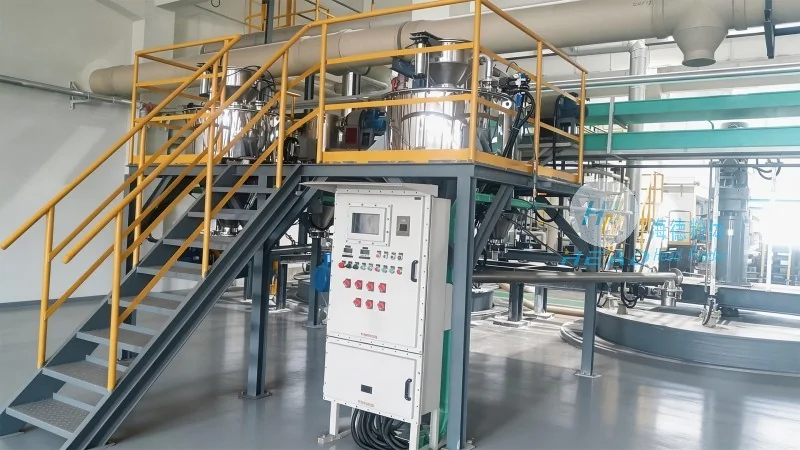
Operational flexibility is also a major benefit of pneumatic conveying systems. These systems can be easily adjusted to handle different types of foam plastics, including expanded polystyrene (EPS), polyethylene foam, and polyurethane foam, by modifying air pressure and velocity settings. This adaptability makes them suitable for diverse industrial applications, from small-scale manufacturing to large-scale production lines. Additionally, the modular design of these systems allows for easy expansion or reconfiguration as production needs change, providing long-term value and investment protection.
HeadPowder's Expertise in System Design and Implementation
HeadPowder Engineering Co., Ltd., with its headquarters in Shandong, China, has established itself as a trusted partner in the design and implementation of foam plastic pneumatic conveying systems. The company's team of experienced engineers brings a wealth of knowledge in material science, fluid dynamics, and industrial engineering, enabling them to develop customized solutions that meet the unique requirements of each client. HeadPowder follows a systematic approach to system design, starting with a thorough analysis of the client's material handling challenges and production goals. This includes on-site assessments to understand the existing infrastructure, material flow patterns, and operational constraints.
Once the requirements are clearly defined, HeadPowder's engineers develop detailed system designs, including 3D models and performance simulations, to ensure that the proposed solution meets all technical and operational criteria. The company utilizes advanced software tools for computational fluid dynamics (CFD) and process simulation to optimize the system's performance, minimizing energy consumption and maximizing material throughput. This approach allows for early identification and resolution of potential issues, reducing the risk of costly modifications during the installation phase.
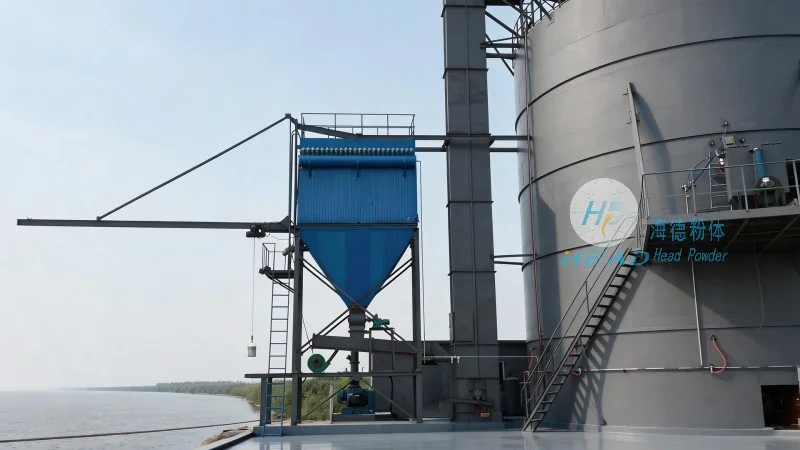
During the implementation phase, HeadPowder's project management team ensures that the system is installed and commissioned according to the highest industry standards. This includes thorough testing of all components, such as air compressors, filters, and conveying lines, to verify that they operate within specified parameters. The company also provides comprehensive training to the client's staff on system operation, maintenance, and troubleshooting, ensuring that the system is used effectively and efficiently. This commitment to quality and customer support has made HeadPowder a preferred choice for businesses seeking reliable and efficient foam plastic handling solutions.
Conclusion and Future Applications
As the demand for lightweight, high-performance materials continues to grow, the importance of efficient foam plastic handling systems will only increase. HeadPowder Engineering Co., Ltd. remains at the forefront of this technology, providing innovative and reliable pneumatic conveying solutions that enhance productivity, reduce costs, and improve operational safety. With its headquarters in Shandong, China, and a global presence, HeadPowder is well-positioned to serve clients worldwide, helping them optimize their material handling processes and stay competitive in today's dynamic market. The company's dedication to quality, innovation, and customer satisfaction ensures that its foam plastic pneumatic conveying systems will continue to be a cornerstone of industrial material handling for years to come.