

Design Considerations for Air-Driven Conveying Systems of Ternary Cathode Materials
When designing air-driven conveying systems for ternary cathode materials, several key factors must be considered to ensure efficiency, safety, and reliability. The process involves understanding the material properties, system requirements, and operational constraints. This article outlines the essential design considerations for such systems, tailored for applications in lithium-ion battery manufacturing.
Material Properties and Their Impact on Conveying Design
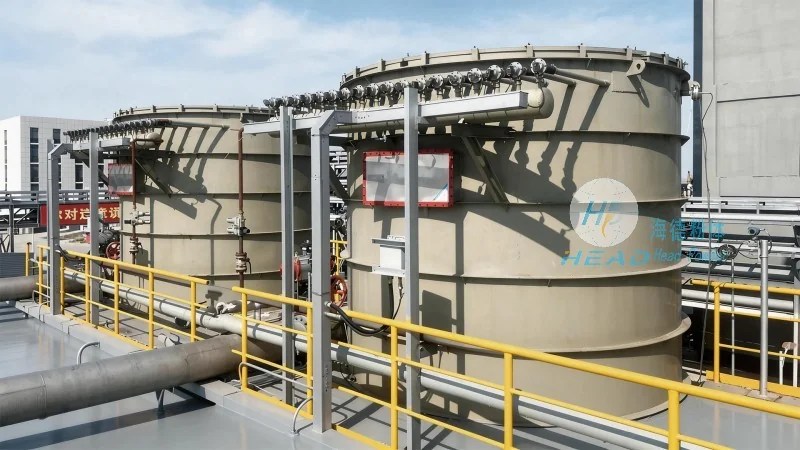
Ternary cathode materials, typically composed of nickel, cobalt, and manganese or other transition metals, exhibit unique characteristics that influence air-driven conveying. These materials are often fine powders with specific particle size distributions, moisture content, and flowability. The design must account for these properties to prevent issues like clogging, agglomeration, or material degradation during transport. For instance, the particle size can affect the air velocity required to maintain a stable flow, while moisture content may impact the material's hygroscopic behavior, necessitating drying or moisture control measures in the system.
System Layout and Component Selection
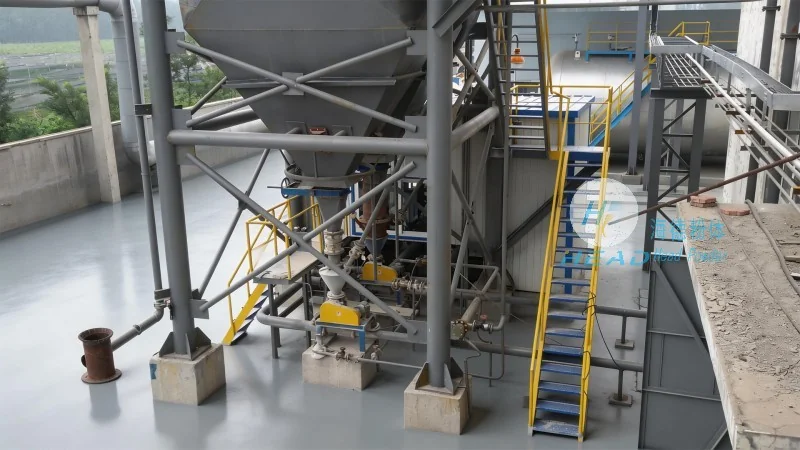
The layout of an air-driven conveying system for ternary cathode materials includes key components such as the hopper, feeder, air ducts, and receiver. The choice of each component is critical. The hopper must be designed to minimize material bridging and ensure uniform feeding, often incorporating vibrators or air knives to break up clumps. The feeder, such as a rotary valve or screw feeder, regulates the material flow rate, which must be synchronized with the air flow to maintain consistent conveying velocity. Air ducts are typically made of materials resistant to corrosion and wear, such as stainless steel, to handle the abrasive nature of cathode powders. The receiver, where the material is deposited, should be equipped with dust collection systems to prevent environmental contamination and maintain a clean working environment.
Air Flow Management and Velocity Optimization
Optimizing air flow is a central aspect of air-driven conveying. The air velocity must be sufficient to lift and transport the material particles without causing excessive wear on the system components or leading to material loss. Calculations based on the material's bulk density, particle size, and flow characteristics determine the required air velocity. For ternary cathode materials, typical air velocities range from 20 to 40 meters per second, depending on the system design and operational parameters. Proper air distribution within the ducts is also crucial to avoid dead zones or uneven flow, which can lead to material accumulation and blockages. Duct design, including the use of bends and elbows with appropriate radius and angle, minimizes pressure loss and ensures smooth material transport.
Control Systems and Automation
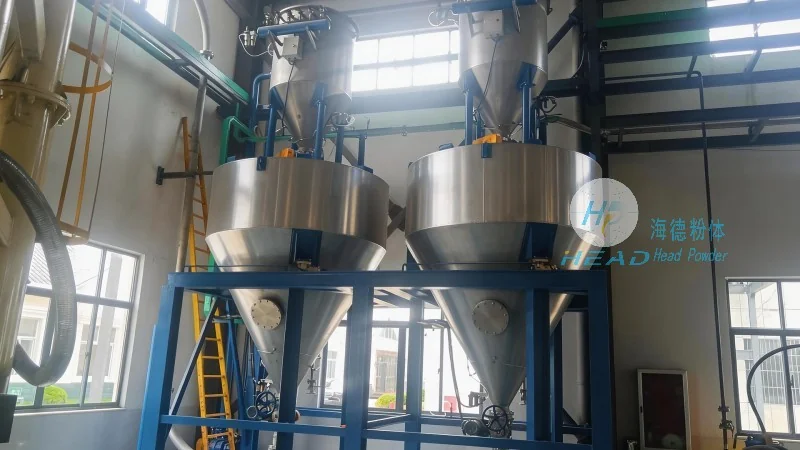
Modern air-driven conveying systems for ternary cathode materials often incorporate advanced control systems to enhance operational efficiency and safety. These systems may include sensors to monitor material level, air pressure, and flow rate, providing real-time data for process control. Automation features, such as programmable logic controllers (PLCs), allow for precise control of the feeder speed and air flow, adapting to changes in material feed or system load. This automation reduces human error, improves consistency, and enables remote monitoring and maintenance. Additionally, safety features like emergency shut-off valves and pressure relief devices are integrated to protect personnel and equipment from potential hazards, such as overpressure or material spills.
Environmental and Safety Considerations
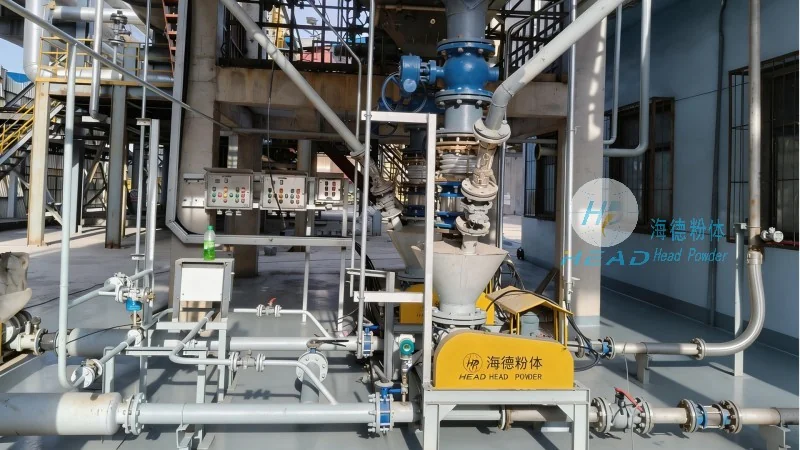
Environmental and safety regulations are critical considerations in the design of air-driven conveying systems for hazardous materials like ternary cathode powders. The system must be equipped with dust collection and filtration systems to capture and contain airborne particles, preventing pollution and ensuring compliance with environmental standards. The use of explosion-proof components is essential, as the powders can be combustible under certain conditions. Proper ventilation and dust extraction systems are installed to maintain a safe working environment, reducing the risk of respiratory issues or fire hazards. Regular maintenance and inspection of the system are also required to ensure that all safety features are functioning correctly and that the system remains in compliance with relevant regulations.
Case Study: HeadPowder's Air-Driven Conveying Solution
Shandong HeadPowder Engineering Co., Ltd., a leading provider of material handling solutions, specializes in designing and manufacturing air-driven conveying systems tailored to the needs of the lithium-ion battery industry. Their expertise lies in understanding the unique challenges of handling ternary cathode materials and developing customized solutions that meet the highest standards of efficiency and reliability. HeadPowder's systems are engineered to optimize material flow, minimize downtime, and ensure safe operation. The company's commitment to quality and innovation has made it a trusted partner for manufacturers seeking to enhance their production processes. By incorporating advanced design principles and robust construction, HeadPowder's air-driven conveying systems deliver superior performance and contribute to the overall productivity of cathode material handling operations.