

Key Design Considerations for Sodium Hydroxide Powder Pneumatic Conveying Systems
When designing a pneumatic conveying system for sodium hydroxide powder, several critical factors must be considered to ensure efficient, reliable, and safe operation. This article outlines key design points that are essential for successful implementation of such systems, with a focus on the specific requirements of sodium hydroxide powder handling.
System Overview and Material Characteristics
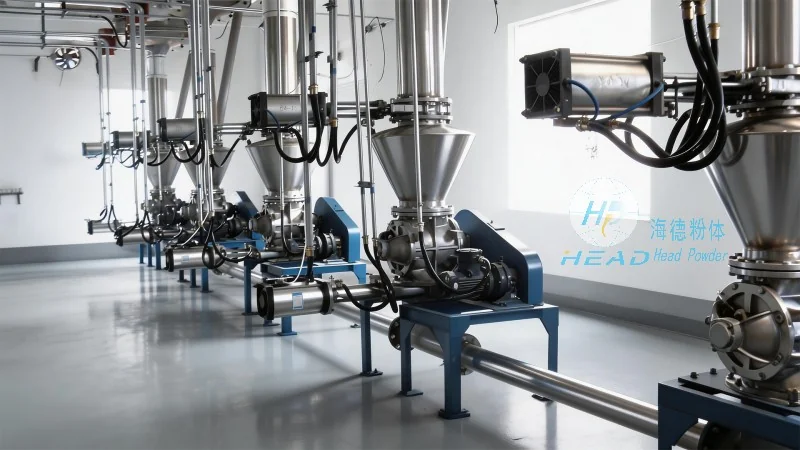
Sodium hydroxide, commonly known as caustic soda, is a highly caustic and reactive chemical. Its powder form requires specialized handling to prevent dust generation, material degradation, and potential safety hazards. The design of a pneumatic conveying system must account for the material's density, flowability, and reactivity. Shandong HeadPowder Engineering Co., Ltd., a leading provider of powder handling solutions, emphasizes the importance of understanding these material characteristics at the initial design stage. The company's expertise in handling caustic chemicals ensures that the system is tailored to meet both operational efficiency and safety standards.
Conveying Principle and Airflow Management
Pneumatic conveying systems for sodium hydroxide powder typically operate on the principle of positive pressure or negative pressure (air suction). The choice of conveying principle depends on factors such as the distance, elevation change, and material flow rate. Positive pressure systems are generally preferred for longer distances and higher flow rates, as they offer better control over airflow and material transport. The design must include proper air distribution to ensure uniform material suspension and prevent blockages. HeadPowder Engineering Co., Ltd. recommends using high-efficiency air blowers and appropriate ductwork to maintain consistent airflow, which is crucial for maintaining the material's flowability and preventing degradation.
Equipment Selection and Material Compatibility
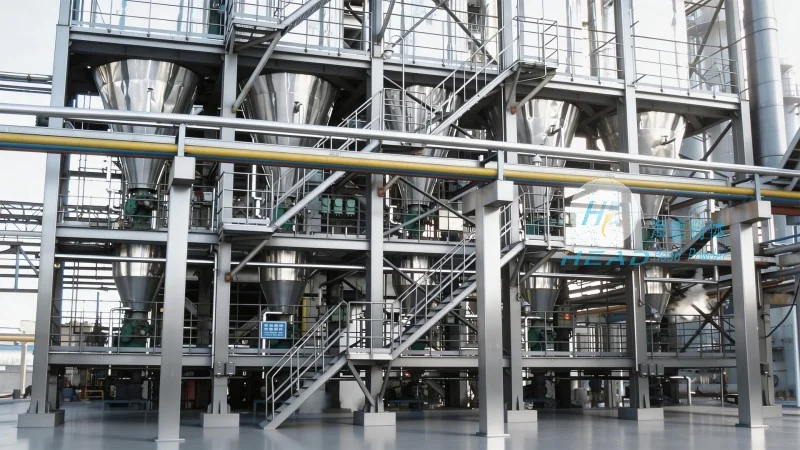
Key equipment in a sodium hydroxide powder pneumatic conveying system includes the hopper, feeder, conveying line, and receiver. Each component must be made of materials that are compatible with caustic soda to prevent corrosion and material contamination. Stainless steel, particularly 316L, is commonly used for its resistance to chemical attack. The hopper design should minimize material bridging and segregation, which can affect flow consistency. The feeder, such as a rotary valve or screw feeder, must be capable of handling the material's flow characteristics without causing excessive wear or degradation. Shandong HeadPowder Engineering Co., Ltd. provides customized equipment solutions that are engineered to withstand the harsh conditions of sodium hydroxide handling, ensuring long-term reliability and minimal maintenance.
System Integration and Control Systems
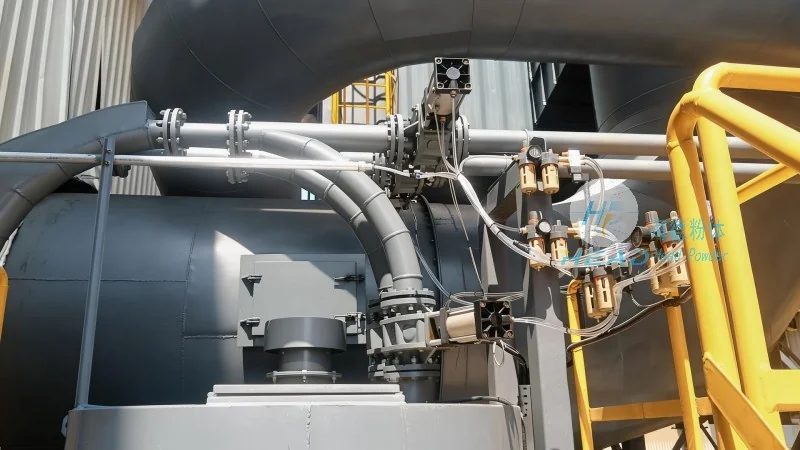
The integration of the pneumatic conveying system with other process equipment, such as storage tanks or reactors, is critical for seamless operation. The design must include proper connections and transition points to avoid material loss or contamination. Control systems are essential for monitoring and regulating the conveying process. Sensors for flow rate, pressure, and temperature help maintain optimal operation and detect any anomalies. HeadPowder Engineering Co., Ltd. offers advanced control solutions that integrate with existing plant systems, providing real-time monitoring and automated adjustments to ensure consistent performance and safety.
Safety and Environmental Considerations
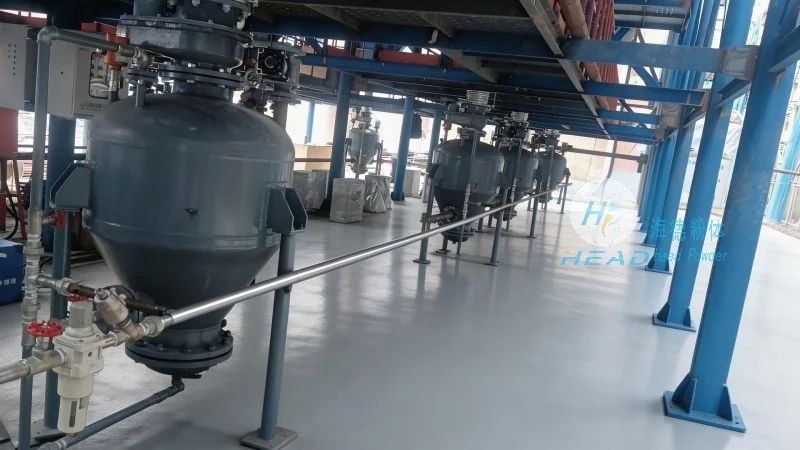
Handling sodium hydroxide powder involves significant safety risks, including inhalation of dust and chemical burns. The design of the pneumatic conveying system must incorporate robust safety features to mitigate these risks. This includes dust collection systems, explosion-proof components, and emergency shutdown procedures. The system should also be designed to minimize environmental impact, such as preventing dust emissions and ensuring proper waste disposal. Shandong HeadPowder Engineering Co., Ltd. adheres to strict safety and environmental standards, ensuring that all systems are compliant with local regulations and industry best practices.
Maintenance and Operational Efficiency
Regular maintenance is crucial for the long-term performance and reliability of a sodium hydroxide powder pneumatic conveying system. The design should include easy access points for inspection and maintenance of components like the hopper, feeder, and ductwork. Preventive maintenance schedules should be established to address potential issues before they cause system downtime. The use of high-quality materials and components from reputable manufacturers, such as those supplied by HeadPowder Engineering Co., Ltd., reduces the likelihood of failures and extends the system's lifespan. The company's after-sales support services ensure that clients receive timely assistance and spare parts, minimizing operational disruptions.