

Design Considerations for Talc Powder Pneumatic Conveying Systems
Talc powder, a widely used industrial mineral, requires efficient and reliable handling methods for seamless processing. Pneumatic conveying systems offer a robust solution for transporting talc powder from storage to processing units. However, the design of such systems demands careful consideration of various technical and operational factors to ensure optimal performance, safety, and longevity. This article outlines key design considerations for talc powder pneumatic conveying systems, emphasizing the expertise of Shandong HeadPowder Engineering Co., Ltd. (headpowder), a leading provider in the field.
Material Characteristics and System Selection
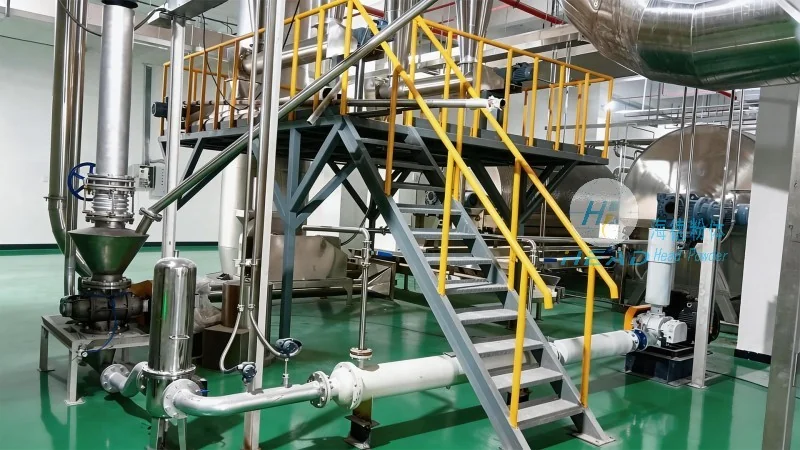
The unique physical properties of talc powder, including its fine particle size, low bulk density, and tendency to agglomerate, significantly influence the choice of pneumatic conveying system. Traditional systems like pressure or vacuum conveyors may not be suitable for all talc applications. For instance, pressure systems are often preferred for long-distance or high-volume transport due to their ability to handle fine powders without clogging. Conversely, vacuum systems are ideal for short-distance or localized transport where low energy consumption is a priority. headpowder specializes in evaluating these material characteristics and selecting the most appropriate system configuration, ensuring that the chosen solution aligns with the specific processing requirements of the talc powder.
System Sizing and Flow Rate Considerations
Accurate system sizing is critical to prevent under or overloading, which can lead to system inefficiencies or equipment failure. The flow rate of talc powder must be carefully calculated based on the desired production capacity and the system's pressure drop characteristics. Factors such as particle size distribution, moisture content, and bulk density are integral to this calculation. headpowder employs advanced computational fluid dynamics (CFD) and empirical data to determine the optimal flow rates, ensuring that the system operates within its design limits while maintaining consistent material transport. Proper sizing also minimizes energy consumption and reduces maintenance costs over the system's lifecycle.
Equipment Selection and Component Integration
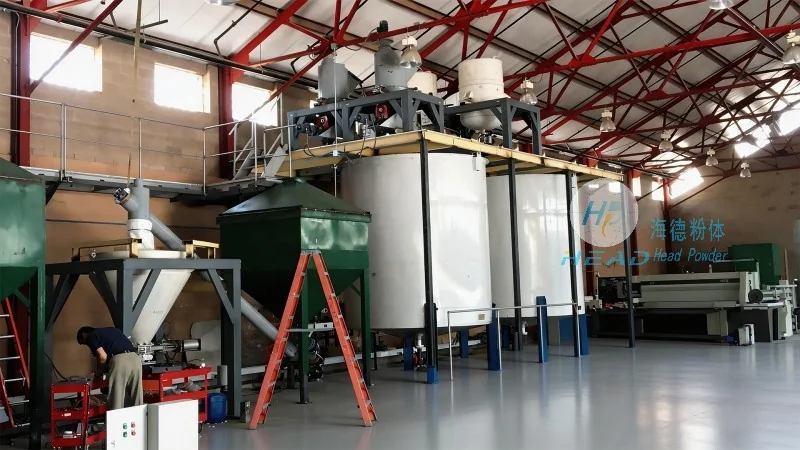
The selection of individual components, including the air compressor, feeders, pipelines, and separation units, is a critical aspect of system design. For talc powder, high-quality, low-particle-charge equipment is essential to prevent static buildup and material degradation. headpowder recommends using stainless steel or specialized materials that resist corrosion and abrasion, which are common issues with talc powder. The integration of components, such as the placement of cyclones or filters, must be optimized to ensure efficient separation and minimal product loss. Additionally, the system's control panel and monitoring equipment should be user-friendly and capable of real-time performance tracking, allowing operators to adjust parameters as needed to maintain optimal operation.
Pressure Drop and Energy Efficiency
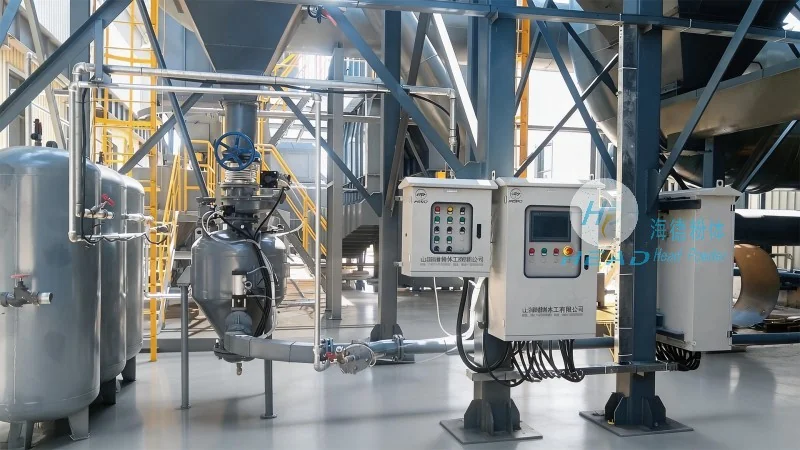
Pressure drop is a key factor in determining the energy consumption of a pneumatic conveying system. Excessive pressure drop can lead to higher energy costs and potential system failure, while insufficient pressure may result in poor material transport. headpowder conducts thorough pressure drop analysis during the design phase, considering factors like pipeline length, diameter, and the number of bends. By optimizing these parameters, headpowder ensures that the system operates at the lowest possible energy consumption without compromising performance. Advanced air compressors with variable speed drives are often incorporated to adjust air flow based on real-time demand, further enhancing energy efficiency.
Material Handling and Safety Measures
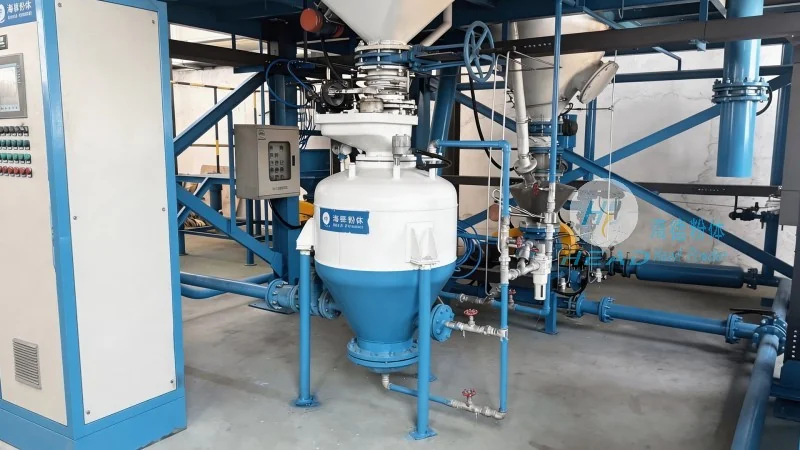
Talc powder can pose safety risks if not handled properly, including dust explosions and respiratory hazards. Therefore, incorporating safety measures into the system design is paramount. headpowder designs systems with explosion-proof components, such as spark arrestors and flame arrestors, to mitigate the risk of dust explosions. Additionally, the system should include dust collection and filtration systems to maintain a clean and safe working environment. Proper ventilation and the use of personal protective equipment (PPE) are also recommended to protect operators from talc dust exposure. By prioritizing safety, headpowder ensures that the pneumatic conveying system not only meets operational requirements but also complies with relevant industrial safety standards.
Installation and Maintenance Considerations
The successful implementation of a talc powder pneumatic conveying system requires careful installation and regular maintenance. headpowder provides comprehensive installation services, ensuring that all components are properly aligned and connected to prevent leaks or blockages. Regular maintenance, including cleaning of pipelines, filters, and cyclones, is essential to maintain system performance and extend equipment life. headpowder offers maintenance contracts and technical support to assist clients in keeping their systems in optimal condition. By following these guidelines, clients can maximize the lifespan and efficiency of their talc powder pneumatic conveying systems.