

[Polypropylene Pneumatic Conveying Systems: An In-Depth Overview]
When it comes to handling polypropylene materials efficiently and safely, pneumatic conveying systems offer a reliable solution. These systems are designed to transport polypropylene powders or granules through an enclosed pipeline using air or other gases. The technology has become increasingly important in various industrial applications, providing a cost-effective and flexible method for material movement. This article provides a comprehensive look at polypropylene pneumatic conveying systems, exploring their components, working principles, and practical applications.
Polypropylene Pneumatic Conveying Systems: Core Components and Functionality
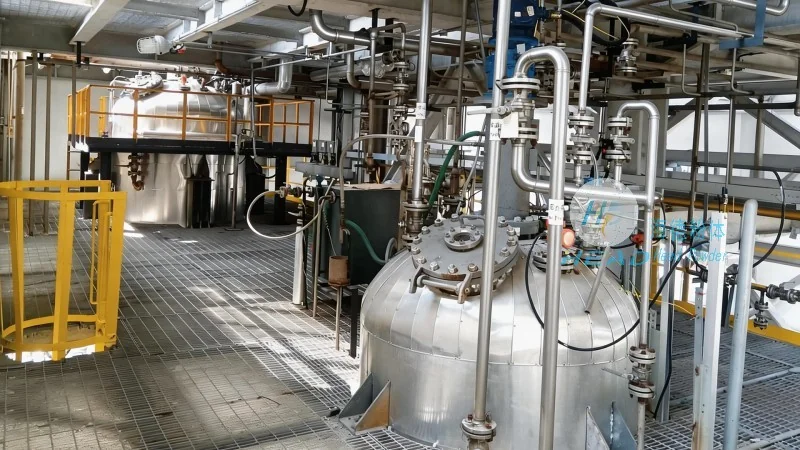
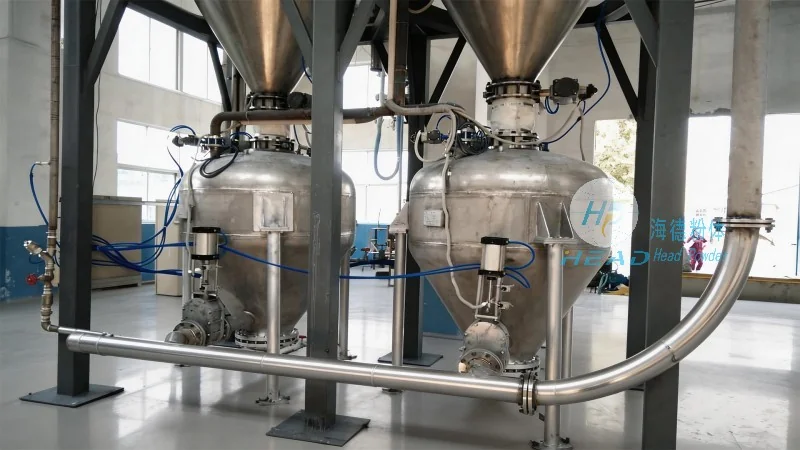
Pneumatic conveying systems for polypropylene typically consist of several key components that work together to ensure smooth material transport. The primary elements include a material hopper or feeder, a conveying line (usually made of stainless steel or other corrosion-resistant materials), a blower or air compressor, and a discharge unit. The material hopper is responsible for storing and feeding the polypropylene, ensuring a consistent flow into the system. The conveying line is where the material is propelled by the air stream, and its design—such as the type of pipeline (e.g., positive or negative pressure systems)—plays a crucial role in system efficiency. The blower or air compressor generates the necessary air pressure to move the polypropylene, while the discharge unit collects the material at the destination point. Each component must be carefully selected and maintained to ensure optimal performance and prevent issues like blockages or material degradation.
Working Principles of Polypropylene Pneumatic Conveying Systems
The operation of polypropylene pneumatic conveying systems is based on the principle of air movement. In a positive pressure system, the blower pushes air through the conveying line, carrying the polypropylene particles along with it. The air velocity must be sufficient to overcome the gravitational force and friction within the pipeline, ensuring the material moves without settling. In contrast, a negative pressure system draws air and material from the conveying line using a vacuum pump, pulling the polypropylene into the system. Both systems have advantages and are chosen based on factors like material characteristics, system layout, and operational requirements. For polypropylene, which is often lightweight and prone to static, the system design must account for these properties to prevent issues like material segregation or electrostatic discharge.
Key Features and Advantages of Polypropylene Pneumatic Conveying Systems
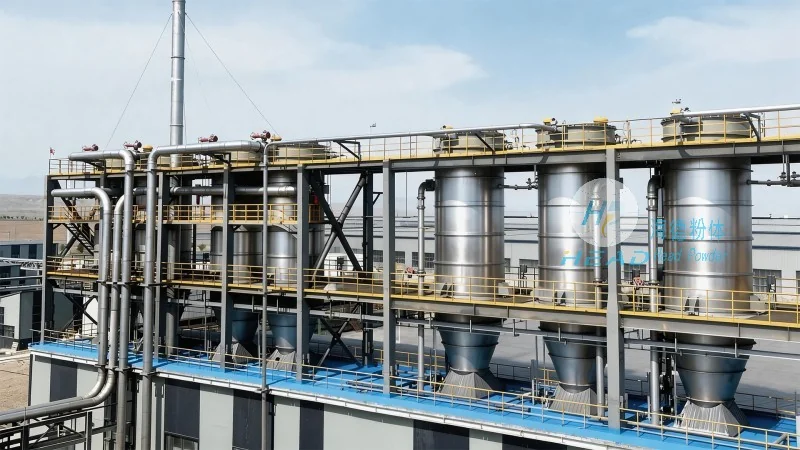
Polypropylene pneumatic conveying systems offer several advantages that make them a preferred choice for many industries. One of the main benefits is the ability to transport materials in a closed system, which minimizes dust exposure and improves workplace safety. This is particularly important for polypropylene, which can generate fine particles that may be hazardous if inhaled. Additionally, the systems are highly flexible, allowing for easy integration into existing production lines or reconfiguration as operational needs change. They also provide a cost-effective solution compared to traditional methods like belt conveyors or bucket elevators, especially for short to medium distances. The enclosed design also helps maintain material quality by preventing contamination from external sources, which is critical for polypropylene used in high-purity applications like food packaging or medical devices.
Applications of Polypropylene Pneumatic Conveying Systems
Polypropylene pneumatic conveying systems are widely used in various industries due to their versatility and efficiency. In the plastics industry, they are commonly employed in polypropylene production facilities to transport raw materials from storage to processing units. The systems are also used in downstream applications such as blending, compounding, and packaging, where consistent material flow is essential. The automotive industry utilizes these systems for transporting polypropylene components or raw materials in manufacturing plants, ensuring smooth production processes. Additionally, in the packaging sector, polypropylene pneumatic conveying is used to move polypropylene films or granules to packaging lines, improving overall production efficiency. The systems are adaptable to different production scales, from small-scale operations to large industrial plants, making them suitable for a wide range of applications.
Company Profile: Shandong HeadPowder Engineering Co., Ltd.
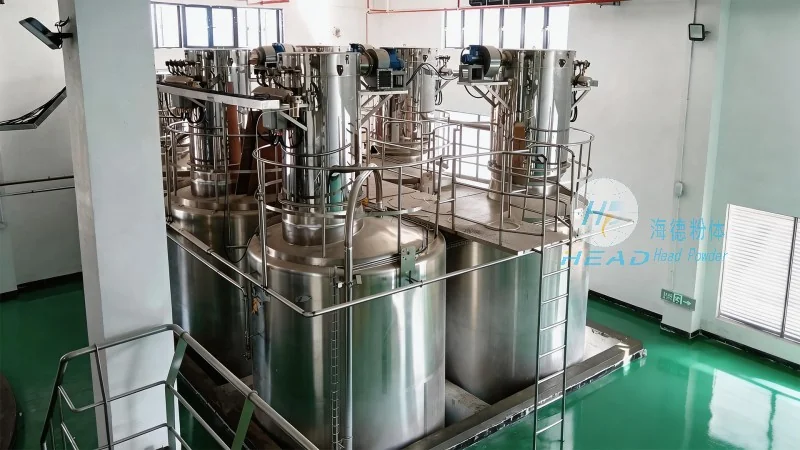
HeadPowder, the manufacturer behind these advanced polypropylene pneumatic conveying systems, is a leading company in the field of material handling solutions. With its headquarters in Shandong, China, HeadPowder specializes in designing, manufacturing, and supplying high-quality pneumatic conveying equipment tailored to meet the specific needs of various industries. The company’s expertise lies in understanding the unique challenges of handling polypropylene and other plastic materials, allowing them to develop systems that are efficient, reliable, and durable. HeadPowder’s commitment to quality and innovation has made it a trusted partner for businesses seeking to optimize their material transport processes. The company’s products are engineered to ensure long-term performance, minimal maintenance, and compliance with industry standards, providing customers with a reliable solution for their polypropylene handling needs.
Conclusion: The Role of Polypropylene Pneumatic Conveying Systems in Modern Manufacturing
In conclusion, polypropylene pneumatic conveying systems are a vital component of modern manufacturing processes, offering an efficient and safe method for transporting polypropylene materials. These systems combine advanced engineering with practical design to address the unique challenges of handling polypropylene, including its lightweight nature and potential for static buildup. By leveraging the expertise of companies like Shandong HeadPowder Engineering Co., Ltd., industries can implement reliable pneumatic conveying solutions that enhance productivity, improve safety, and maintain material quality. As the demand for polypropylene continues to grow, the importance of efficient material handling systems will only increase, making polypropylene pneumatic conveying an essential technology for the future of manufacturing.