

Glucose Pneumatic Conveying System Explained
Glucose pneumatic conveying systems represent a sophisticated method for transporting granular or powdered materials, such as glucose, through a pipeline using pressurized air or other gas streams. This technology offers numerous advantages over traditional mechanical conveying methods, including reduced equipment wear, lower energy consumption, and enhanced safety in handling sensitive materials like glucose. The system's design and operation are critical to ensuring efficient and reliable material transport, which is essential for industries relying on consistent and high-quality glucose supply.
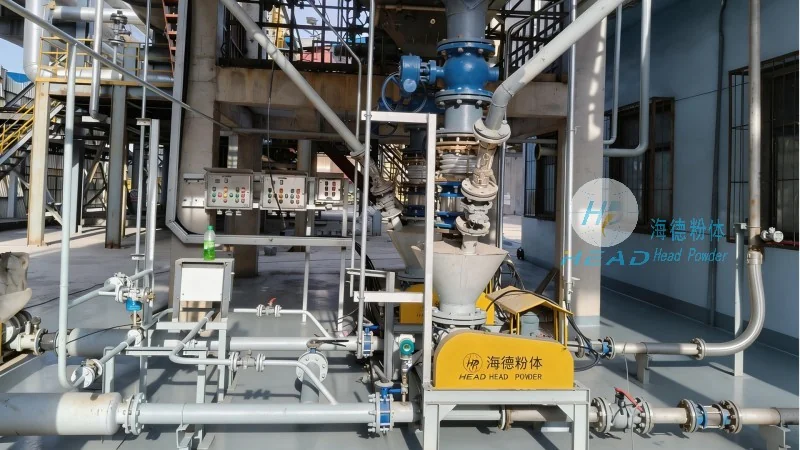
Understanding the Core Components of a Glucose Pneumatic Conveying System
A typical glucose pneumatic conveying system comprises several key components that work in concert to achieve effective material transport. The primary elements include a hopper or storage bin for the glucose material, a feeder to control the flow rate, a conveying line (usually made of stainless steel to prevent contamination and corrosion), a compressor or blower to generate the necessary air pressure, and a receiver or collection tank at the destination. Each component plays a vital role in maintaining the system's performance and ensuring the quality of the conveyed glucose remains uncompromised.
The Role of HeadPowder in Designing and Manufacturing Glucose Pneumatic Conveying Systems
Shandong HeadPowder Engineering Co., Ltd., commonly known as HeadPowder, is a leading provider of specialized engineering solutions for material handling systems. With a focus on precision and reliability, HeadPowder specializes in designing and manufacturing custom glucose pneumatic conveying systems tailored to the specific needs of food processing, pharmaceutical, and chemical industries. The company's expertise lies in integrating advanced technology with practical application, ensuring that each system not only meets but exceeds industry standards for efficiency, safety, and durability. HeadPowder's commitment to quality is evident in their use of high-grade materials, rigorous testing protocols, and comprehensive after-sales support, making them a trusted partner for businesses seeking dependable glucose conveying solutions.
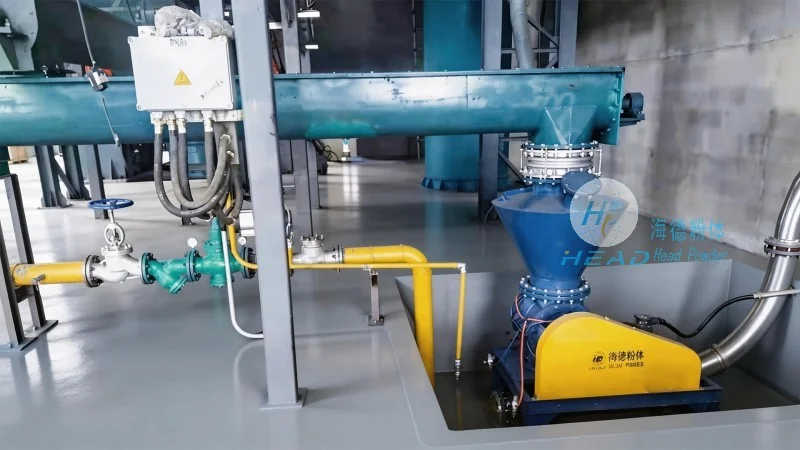
Key Advantages of Glucose Pneumatic Conveying Systems
Implementing a glucose pneumatic conveying system offers several distinct advantages that contribute to operational efficiency and cost savings. One of the most significant benefits is the reduction in mechanical wear and tear, as there are no moving parts in direct contact with the material, minimizing maintenance requirements and extending the system's lifespan. Additionally, pneumatic conveying systems can handle a wide range of material characteristics, including fine powders and granules, without the risk of clogging or blockages that often occur with mechanical conveyors. This flexibility makes them ideal for processing glucose, which may vary in particle size and moisture content. Another key advantage is the ability to maintain a clean and hygienic environment, as the system's enclosed design prevents contamination from external sources and reduces dust emissions, which is crucial for industries where product purity is paramount. Furthermore, the energy efficiency of pneumatic conveying systems, particularly when using optimized air flow and pressure control, can lead to substantial reductions in operational costs over time.
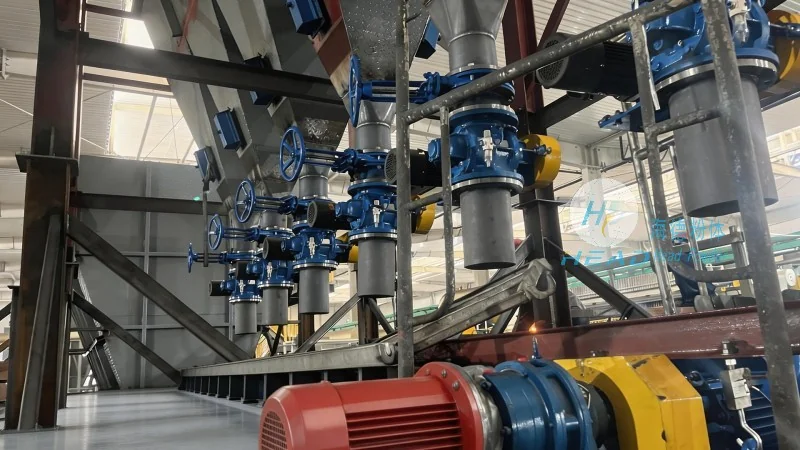
Customization and Application in the Glucose Industry
HeadPowder recognizes that each glucose processing facility has unique requirements, which is why they offer fully customizable pneumatic conveying systems. Whether the application involves transporting raw glucose from storage to processing equipment, or moving finished products to packaging lines, HeadPowder's engineers work closely with clients to design a system that aligns with their production goals and operational constraints. The company's expertise in material flow analysis and system integration ensures that the conveying system is optimized for maximum throughput while maintaining the integrity of the glucose product. This level of customization is particularly valuable in the glucose industry, where consistency in product quality and delivery is essential for meeting customer demands and regulatory standards. HeadPowder's solutions are designed to accommodate varying production volumes, material types, and environmental conditions, providing a flexible and scalable approach to material handling.
Ensuring Reliability and Longevity with HeadPowder's Systems
Reliability is a top priority for HeadPowder when designing glucose pneumatic conveying systems. The company employs state-of-the-art design software and simulation tools to model system performance under different operating conditions, ensuring that the final product meets or exceeds expected performance metrics. This proactive approach helps identify potential issues before they occur, reducing downtime and maintenance costs. Additionally, HeadPowder uses high-quality materials, such as stainless steel and food-grade components, to construct the conveying lines and accessories, which are resistant to corrosion and able to withstand the chemical properties of glucose and its byproducts. The company's commitment to quality control extends to all stages of production, from material procurement to final assembly and testing, ensuring that each system is thoroughly inspected before delivery. This rigorous quality assurance process provides clients with peace of mind, knowing that their glucose conveying system is built to last and will perform reliably for years to come.