

[Detailed Explanation of Calcite Pneumatic Conveying Systems]
Calcite, a common calcium carbonate mineral, is widely used in various industries such as construction, pharmaceuticals, and chemical manufacturing. The efficient and reliable transport of calcite powder is crucial for industrial processes, and pneumatic conveying systems have emerged as a preferred solution. This article provides a detailed overview of calcite pneumatic conveying systems, focusing on their design, functionality, and applications.
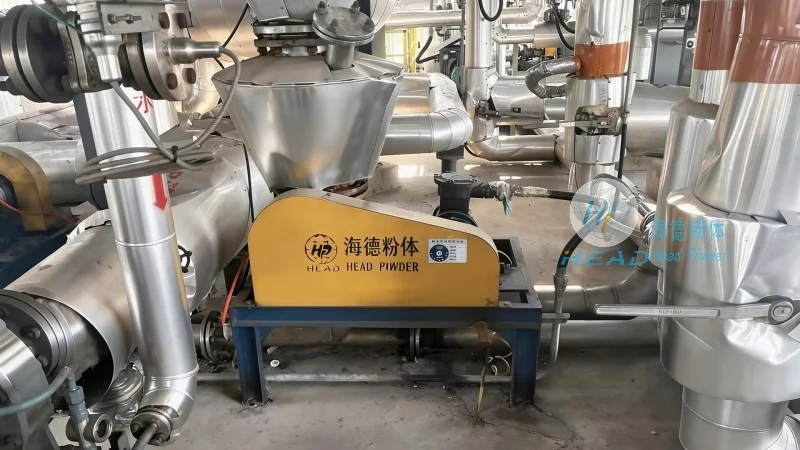
HeadPowder: A Leading Provider of Pneumatic Conveying Solutions
Shandong HeadPowder Engineering Co., Ltd., commonly known as HeadPowder, is a reputable company specializing in the design, manufacturing, and installation of pneumatic conveying systems. Headquartered in Shandong, China, the company has a strong commitment to quality and innovation, establishing itself as a trusted partner for industries requiring efficient material handling solutions. With expertise in calcite handling and pneumatic technology, HeadPowder ensures clients receive tailored systems that meet their specific operational needs.
The Core Components of a Calcite Pneumatic Conveying System
A typical calcite pneumatic conveying system consists of several key components that work in tandem to transport the material. These components include a material hopper or silo for storage, a feeder to control the flow rate, a conveying line (usually made of stainless steel or other corrosion-resistant materials), a vacuum or pressure source (such as a blower or compressor), and a receiver or discharge unit. The system operates by using air to create a flow that carries the calcite particles through the pipeline. The design of each component is critical to ensure optimal performance, minimal material degradation, and energy efficiency.
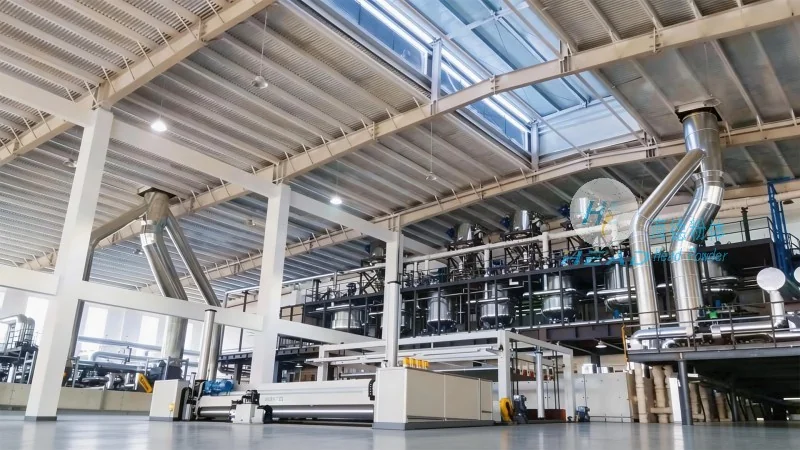
Types of Pneumatic Conveying Systems for Calcite
There are primarily two types of pneumatic conveying systems used for calcite: vacuum and pressure systems. Vacuum systems use a vacuum to draw material from the source to the receiver, making them suitable for long-distance or multi-point collection. Pressure systems, on the other hand, use compressed air to push the material through the pipeline, which is ideal for short-distance or high-volume applications. The choice between these systems depends on factors such as the distance between the source and receiver, the required flow rate, and the nature of the calcite powder (e.g., fineness, moisture content). HeadPowder offers both types of systems, allowing clients to select the most appropriate solution for their specific requirements.
Advantages of Using Pneumatic Conveying for Calcite
Pneumatic conveying systems offer numerous advantages over traditional methods like belt conveyors or bucket elevators when handling calcite. One of the key benefits is the ability to transport calcite in a closed system, which helps prevent dust emissions and contamination. This is particularly important for industries where product purity is critical, such as pharmaceuticals or food processing. Additionally, pneumatic systems can handle calcite with varying particle sizes and moisture levels, ensuring consistent performance. The systems are also relatively compact and can be installed in confined spaces, making them suitable for facilities with limited floor space. Furthermore, pneumatic conveying reduces the risk of material degradation due to friction or impact, which is common in mechanical handling systems. HeadPowder's systems are designed to maximize these advantages, providing clients with reliable and efficient calcite transport solutions.
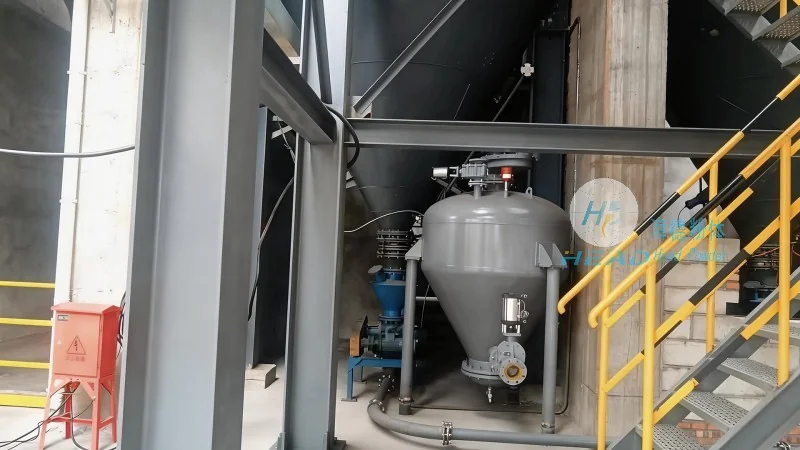
Application Examples in Industrial Settings
The versatility of calcite pneumatic conveying systems makes them applicable in a wide range of industrial settings. In the construction industry, calcite is used as a filler in cement and concrete, and pneumatic systems are used to transport it from storage silos to mixing plants. In the pharmaceutical industry, calcite is used as an excipient in tablets and capsules, and the closed conveying systems help maintain product purity and prevent cross-contamination. In the chemical industry, calcite is used in the production of calcium carbonate-based products, and the systems ensure efficient transfer of raw materials to processing units. HeadPowder has successfully implemented calcite pneumatic conveying systems in various industries, demonstrating the effectiveness and reliability of their solutions.
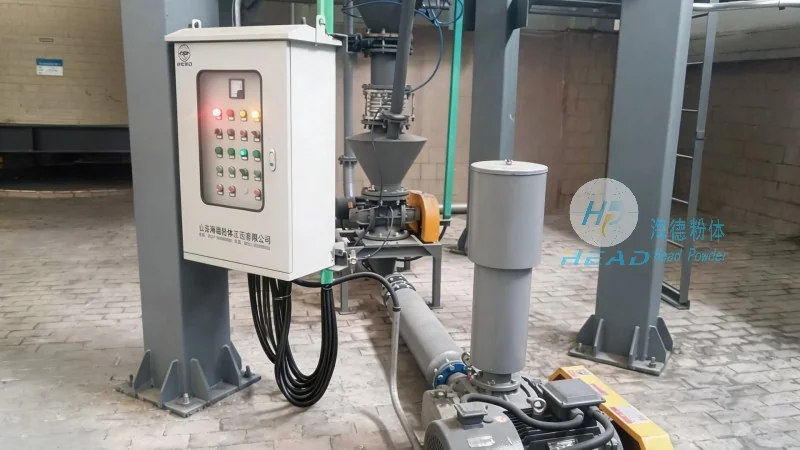
Customization and Maintenance Services by HeadPowder
HeadPowder understands that each industrial application has unique requirements, and therefore offers customized pneumatic conveying systems tailored to specific client needs. The company works closely with clients to assess their operational parameters, material characteristics, and space constraints to design a system that maximizes efficiency and minimizes downtime. After installation, HeadPowder provides comprehensive maintenance services to ensure the long-term performance of the system. Regular inspections, component replacements, and performance monitoring are part of their maintenance program, helping to prevent breakdowns and extend the lifespan of the equipment. This commitment to service ensures that clients can rely on their calcite pneumatic conveying systems for consistent and reliable operation.
Conclusion
Calcite pneumatic conveying systems are essential for efficient and reliable material handling in industries that rely on calcium carbonate. HeadPowder, with its expertise and commitment to quality, provides comprehensive solutions that meet the diverse needs of clients. By understanding the core components, types, and advantages of these systems, industries can make informed decisions to enhance their operational efficiency and product quality. The use of pneumatic conveying for calcite not only improves process reliability but also contributes to a safer and more sustainable industrial environment.