

Detailed Explanation of Positive and Negative Electrode Material Pneumatic Conveying Systems
For manufacturers in the battery industry, the efficient and reliable transportation of positive and negative electrode materials is a critical operational challenge. The pneumatic conveying system has emerged as a key solution, offering a flexible and effective method to handle these materials from production to processing stages. This article provides a comprehensive overview of such systems, focusing on their design, functionality, and applications in the context of electrode material handling.
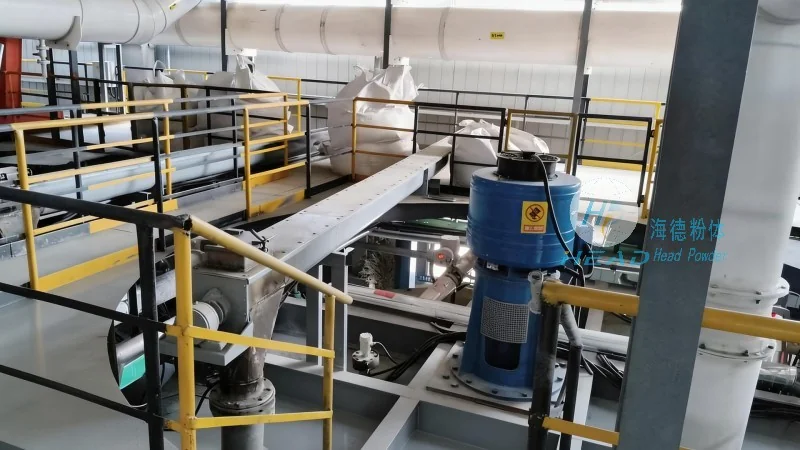
Company Profile: Shandong HeadPowder Engineering Co., Ltd.
HeadPowder, a leading engineering firm based in Shandong, China, specializes in the design and implementation of advanced material handling solutions. With a strong commitment to innovation and quality, the company has established itself as a trusted partner for businesses seeking efficient and reliable pneumatic conveying systems. The company's expertise spans the entire lifecycle of material handling, from system design and manufacturing to installation and maintenance. HeadPowder's solutions are tailored to meet the specific needs of clients, ensuring optimal performance and durability in demanding industrial environments.
Key Components of Pneumatic Conveying Systems
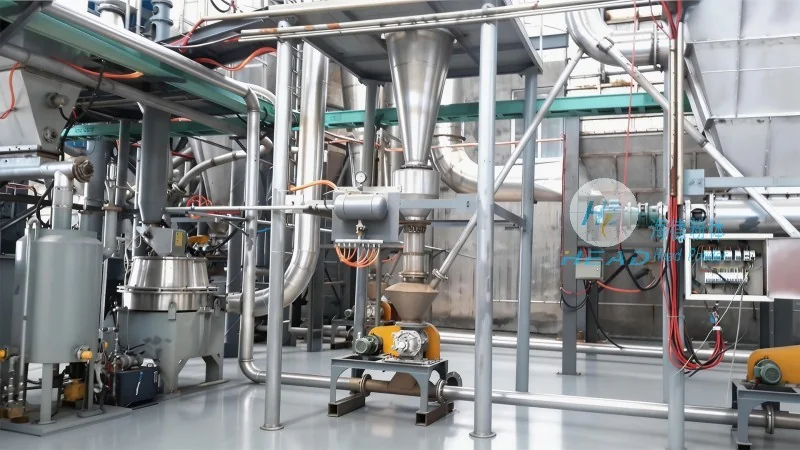
A pneumatic conveying system for battery electrode materials typically consists of several core components that work in tandem to ensure smooth material transport. The primary components include a material feed hopper, a conveyor line (often equipped with a rotary valve or feeder to control material flow), a series of ducts or pipes for air and material transport, a dust collector or filter system to manage airborne particles, and a receiving hopper or storage unit at the destination. The system operates by using compressed air to create a flow that propels the electrode material through the ducts. The design of these components is crucial for maintaining material integrity, preventing degradation, and ensuring consistent flow rates.
Advantages of Pneumatic Conveying for Electrode Materials
Compared to traditional mechanical conveying methods, pneumatic systems offer several advantages when handling positive and negative electrode materials. One of the most significant benefits is the ability to transport materials in a closed system, which minimizes exposure to contaminants and environmental factors. This is particularly important for electrode materials, which are sensitive to moisture, dust, and other impurities that can affect their performance. Additionally, pneumatic conveying systems can handle a wide range of material properties, including powders, granules, and fine particles, with minimal degradation. The flexibility of these systems allows for easy integration into existing production lines and can be adjusted to accommodate varying material volumes and flow rates. Another key advantage is the reduced risk of material spillage and cross-contamination, which enhances safety and operational efficiency.
System Design and Customization
HeadPowder engineers work closely with clients to design pneumatic conveying systems that are tailored to their specific production requirements. The design process begins with a thorough analysis of the material characteristics, such as particle size, density, and moisture content, as well as the production volume and operational constraints. Based on this analysis, the system components are selected and configured to ensure optimal performance. For example, the choice of duct material (e.g., stainless steel or plastic) depends on the material's chemical properties and the need for corrosion resistance. The system may also include features such as air filtration, pressure regulation, and flow monitoring to maintain consistent operation. Customization is a key aspect of HeadPowder's approach, as each client's needs are unique. The company's engineers can adapt standard designs or develop entirely new solutions to meet specific challenges, such as long-distance transport or high-temperature material handling.
Applications in Battery Manufacturing
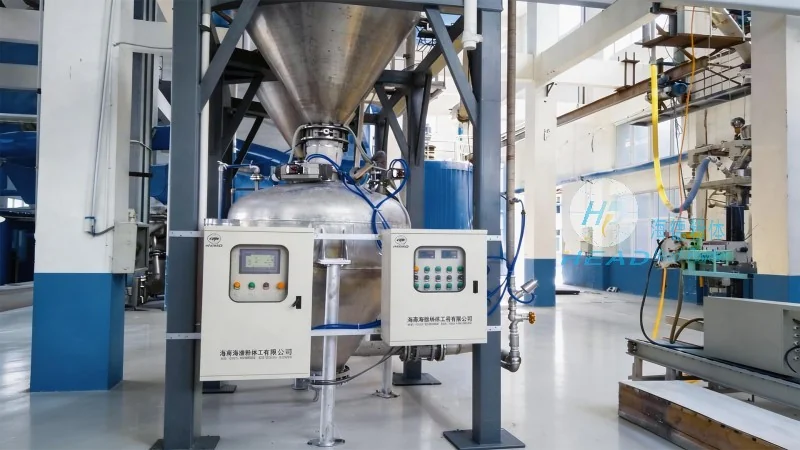
Pneumatic conveying systems are widely used in various stages of battery manufacturing, from raw material handling to final product assembly. In the production of positive and negative electrodes, these systems are used to transport materials from storage silos to mixing and coating lines. The ability to handle fine powders and maintain material purity is essential in these processes, as any contamination can lead to reduced battery performance. The systems are also used in the transfer of finished electrode sheets from the coating line to the drying and cutting stages. By integrating pneumatic conveying into the production line, manufacturers can achieve higher throughput, reduce labor costs, and improve overall operational efficiency. HeadPowder's systems have been successfully implemented in numerous battery production facilities, demonstrating their reliability and effectiveness in real-world applications.
Maintenance and Operational Considerations
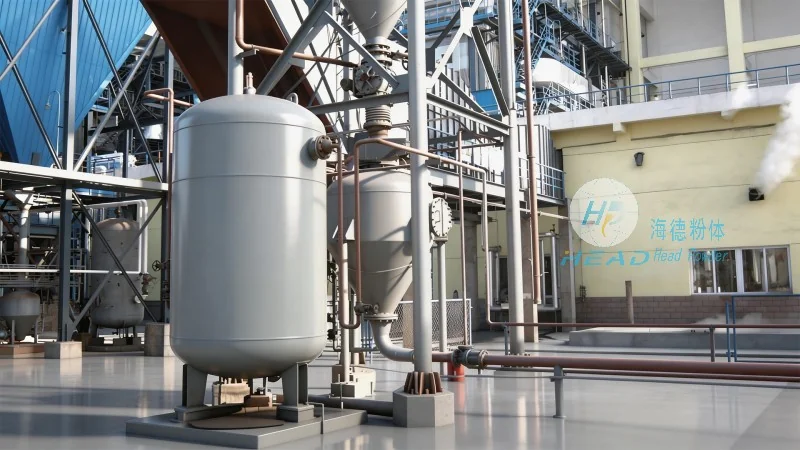
Proper maintenance is essential to ensure the long-term performance and reliability of pneumatic conveying systems. Regular inspection and cleaning of the ducts, filters, and other components are necessary to prevent blockages and maintain air flow efficiency. The system's air compressor and filtration system should also be maintained according to the manufacturer's guidelines to ensure consistent air pressure and quality. HeadPowder provides comprehensive maintenance services to its clients, including routine inspections, component replacement, and troubleshooting. By following recommended maintenance procedures, manufacturers can extend the lifespan of their systems and minimize downtime. Additionally, operational considerations such as proper material loading and unloading procedures, as well as monitoring of system performance parameters, are critical to maintaining optimal operation.
Conclusion
Pneumatic conveying systems represent a sophisticated and effective solution for the transportation of positive and negative electrode materials in the battery industry. With their ability to handle sensitive materials while maintaining purity and efficiency, these systems are a vital component of modern battery manufacturing operations. HeadPowder Engineering, based in Shandong, China, offers expert design, manufacturing, and maintenance services for such systems, helping clients achieve their production goals with reliability and performance. By leveraging advanced engineering and customization, HeadPowder ensures that its clients receive tailored solutions that meet their specific needs and contribute to the success of their battery production processes.