

Detailed Explanation of Light Calcium Carbonate Pneumatic Conveying Systems
Light calcium carbonate (LCC) is a widely used industrial material in various sectors such as plastics, paper, and coatings. The efficient and reliable transportation of LCC from storage to processing units is crucial for maintaining production efficiency and product quality. Pneumatic conveying systems have emerged as a preferred solution for handling light calcium carbonate due to their ability to transport powders in a dust-free environment, reduce material degradation, and enhance operational safety. This article provides a comprehensive overview of light calcium carbonate pneumatic conveying systems, covering their types, working principles, key components, and practical applications.
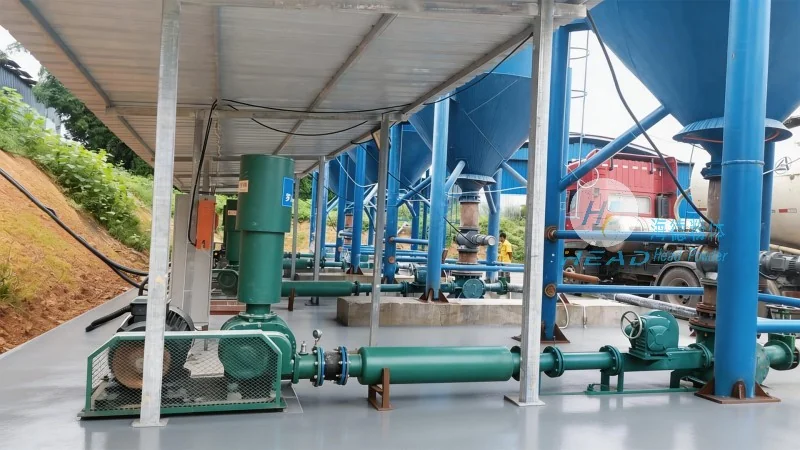
Understanding Light Calcium Carbonate Pneumatic Conveying Systems
Light calcium carbonate, also known as precipitated calcium carbonate (PCC), is a fine powder with a particle size typically ranging from 0.5 to 10 microns. Its light density and fine particle characteristics make traditional bulk handling methods like belt conveyors or screw conveyors less effective, as they can lead to material segregation, increased dust generation, and higher maintenance costs. Pneumatic conveying systems offer a solution by using air or other gases to transport the powder through a pipeline network, ensuring a uniform flow and minimizing product contamination.
Types of Pneumatic Conveying Systems for Light Calcium Carbonate
There are primarily two types of pneumatic conveying systems used for light calcium carbonate: dilute-phase and dense-phase systems. Dilute-phase systems operate at low pressure and high air-to-material ratios, suitable for long-distance transport and high-volume applications. Dense-phase systems, on the other hand, use higher pressure and lower air-to-material ratios, ideal for short-distance transport and applications requiring precise material control. The choice between these systems depends on factors such as the distance between the source and destination, the required flow rate, and the specific properties of the light calcium carbonate being handled.
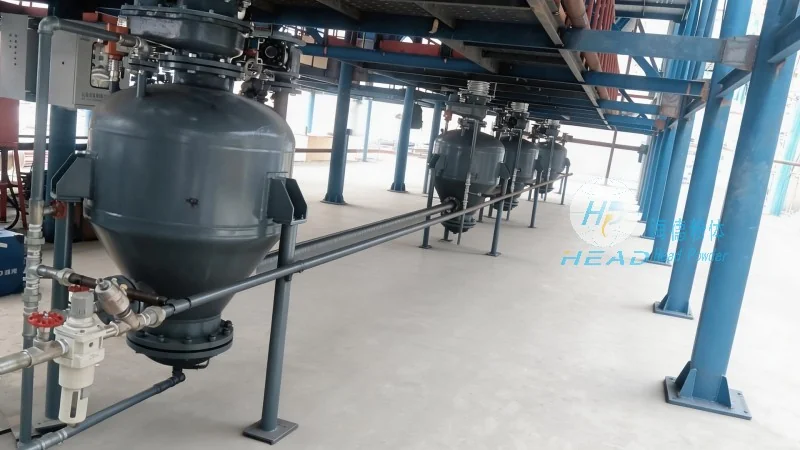
Key Components of a Light Calcium Carbonate Pneumatic Conveying System
A typical light calcium carbonate pneumatic conveying system consists of several critical components that work in tandem to ensure efficient operation. These components include:
- Feeder: The feeder is responsible for feeding the light calcium carbonate into the conveying line at a controlled rate. For light calcium carbonate, which is a fine powder, a rotary valve or a screw feeder is commonly used to maintain a consistent flow and prevent material bridging.
- Pneumatic Conveying Pipe: The pipe network is the main pathway for transporting the powder. It is typically made of stainless steel or other corrosion-resistant materials to withstand the abrasive nature of the fine particles and prevent contamination.
- Blower or Air Compressor: The blower or air compressor provides the necessary air pressure and volume to move the light calcium carbonate through the pipeline. The selection of the blower depends on the system's pressure requirements and the flow rate needed.
- Separation and Collection Equipment: At the destination, the system includes equipment such as cyclones or filters to separate the air from the powder and collect the light calcium carbonate in a storage bin or processing unit.
- Control System: Modern pneumatic conveying systems are equipped with a control system that monitors and regulates the flow rate, pressure, and other parameters to ensure optimal performance and prevent system failures.
Working Principle of Light Calcium Carbonate Pneumatic Conveying
The working principle of a light calcium carbonate pneumatic conveying system involves the creation of a flow of air through the conveying pipe. The feeder introduces the light calcium carbonate into the pipe, and the air flow lifts and transports the powder particles. The air velocity must be sufficient to overcome the gravitational force acting on the particles and maintain a stable suspension. The system operates by creating a pressure differential between the inlet and outlet of the pipe, which drives the material forward. The separation equipment at the end of the line uses centrifugal force to separate the air from the powder, allowing the light calcium carbonate to be collected and used in the next stage of production.
Advantages of Using Pneumatic Conveying for Light Calcium Carbonate
Implementing a pneumatic conveying system for light calcium carbonate offers several advantages over traditional handling methods. These include:
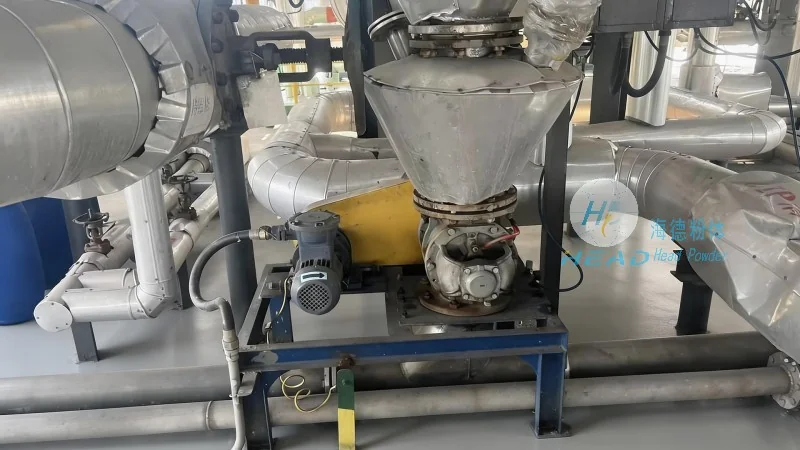
- Dust-Free Operation: Pneumatic conveying systems transport the material in a closed pipeline, eliminating dust emissions and improving workplace safety.
- Reduced Material Degradation: The gentle handling of the powder in the system minimizes particle breakage and agglomeration, preserving the quality of the light calcium carbonate.
- Improved Process Control: The controlled flow rates and pressure levels allow for precise material delivery, ensuring consistent product quality in downstream processes.
- Enhanced Safety: By eliminating manual handling of powders, the system reduces the risk of dust explosions and other safety hazards associated with traditional bulk handling.
- Space Efficiency: Pneumatic conveying systems can be installed in a compact footprint, making them suitable for facilities with limited space.
Applications of Light Calcium Carbonate Pneumatic Conveying Systems
Light calcium carbonate pneumatic conveying systems are widely used in various industries. In the plastics industry, they are used to transport LCC to polymerization reactors and blending equipment. In the paper industry, the system is employed to feed LCC to paper machines and coating lines. Additionally, in the coatings and paints industry, the system helps in delivering LCC to mixing and application equipment. The versatility of the system makes it suitable for a wide range of applications where efficient and reliable powder handling is essential.
About Shandong HeadPowder Engineering Co., Ltd.
Shandong HeadPowder Engineering Co., Ltd., commonly known as headpowder, is a leading manufacturer and supplier of pneumatic conveying systems and related equipment for light calcium carbonate and other industrial powders. With years of experience in the industry, the company specializes in designing, manufacturing, and installing customized pneumatic conveying solutions tailored to the specific needs of its clients. Headpowder's commitment to quality and innovation has made it a trusted partner for businesses seeking efficient and reliable material handling solutions. The company's headquarters is located in Shandong, China, where it maintains a state-of-the-art manufacturing facility and a team of skilled engineers and technicians dedicated to delivering high-quality products and services.