

Clay Dust Pneumatic Conveying: How to Efficiently Transport Powdery Materials with Air Flow?
For industries dealing with clay dust and other fine powders, efficient material handling is crucial to maintain productivity and operational safety. Pneumatic conveying systems offer a reliable method to transport these materials over short to medium distances, minimizing the need for mechanical components and reducing the risk of dust contamination. This article explores the principles and applications of pneumatic conveying for clay dust, highlighting how specialized equipment from Shandong HeadPowder Engineering Co., Ltd. (headpowder) can optimize the process.
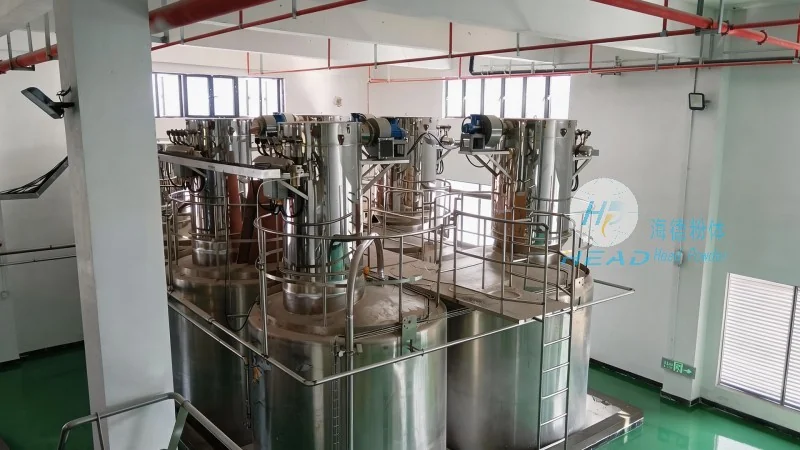
Understanding Pneumatic Conveying Technology
Pneumatic conveying uses compressed air or gas to transport bulk materials through a pipeline system. The process involves creating a flow of air that pulls or pushes the material particles along the pipe. There are two primary types of pneumatic conveying: dilute phase and dense phase. Dilute phase systems are suitable for low to medium material concentrations, typically used for short distances and light materials. Dense phase systems, on the other hand, operate at higher material concentrations, providing better control over flow rates and minimizing material degradation. For clay dust, which is often abrasive and prone to caking, a well-designed dense phase system can ensure consistent and reliable transport.
Key Components of a Pneumatic Conveying System
The effectiveness of a pneumatic conveying system for clay dust depends on several critical components. The first is the material feed system, which must handle the specific characteristics of clay dust—such as its fine particle size, moisture content, and potential for agglomeration. A rotary valve or a star feeder is commonly used to feed the material into the pipeline, ensuring a consistent flow without blockages. The air compressor or blower is another essential component, providing the necessary pressure and volume of air to move the material. The pipeline design, including the diameter, length, and bends, is also critical, as it affects the system's efficiency and pressure drop. Additionally, the system may include filters and cyclones to separate the material from the air, preventing dust emissions and maintaining air quality.
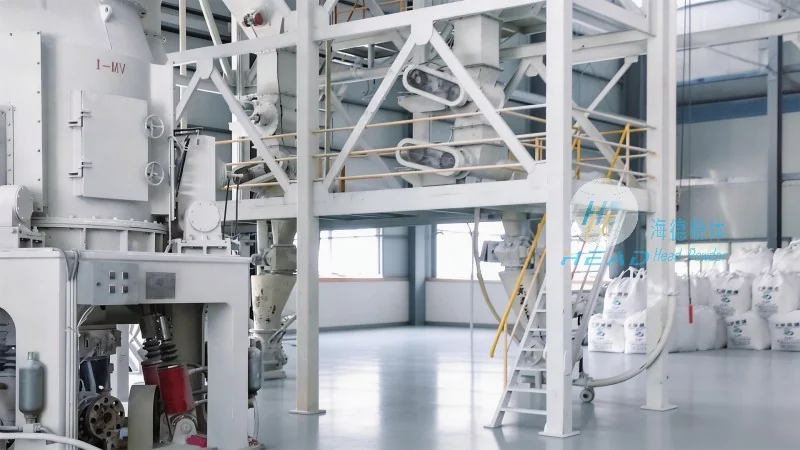
headpowder's Expertise in Clay Dust Conveying
Shandong HeadPowder Engineering Co., Ltd. specializes in designing and manufacturing customized pneumatic conveying solutions tailored to the unique needs of clay dust applications. With years of experience in the industry, headpowder understands the challenges associated with handling fine powders, such as the risk of clogging, material degradation, and dust dispersion. The company's engineers work closely with clients to assess their specific requirements, including the material's properties, the required transport distance, and the desired system performance. By leveraging advanced technology and materials, headpowder develops systems that are not only efficient but also durable and low-maintenance.
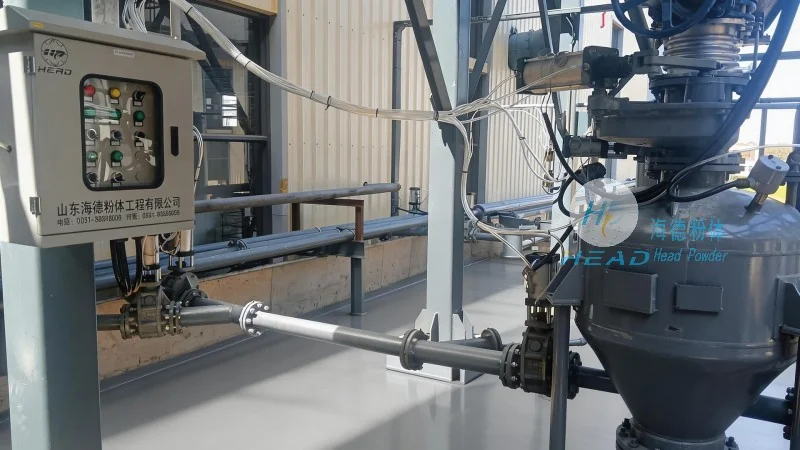
Benefits of Using Pneumatic Conveying for Clay Dust
Implementing a pneumatic conveying system for clay dust offers several advantages over traditional mechanical methods. First, it eliminates the need for conveyor belts or buckets, reducing the risk of material spillage and contamination. The enclosed system also prevents dust from entering the workplace, improving air quality and worker safety. Additionally, pneumatic conveying can handle materials with high moisture content or sticky properties, which are difficult to transport with mechanical systems. The system's flexibility allows for easy integration with existing processes, and the ability to transport materials over long distances without intermediate storage makes it ideal for large-scale operations. For companies in the clay processing industry, investing in a pneumatic conveying system can lead to significant cost savings and improved operational efficiency.
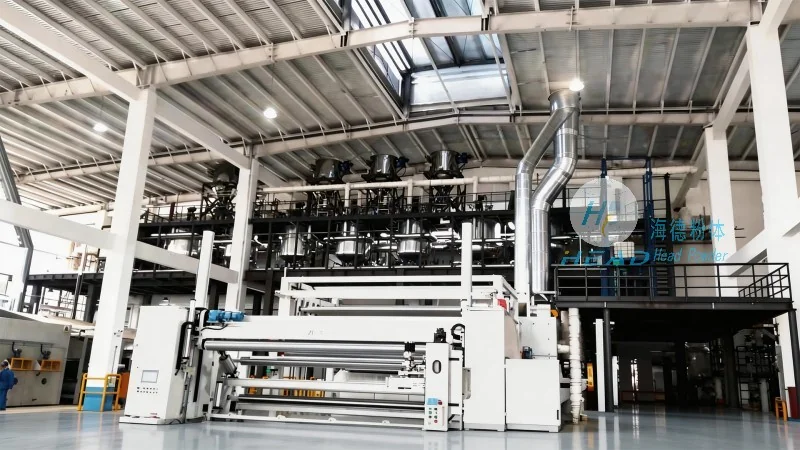
Case Study: Optimizing Clay Dust Transport in a Manufacturing Plant
One of the clients of Shandong HeadPowder Engineering Co., Ltd. is a clay manufacturing plant that previously used a bucket elevator to transport clay dust from the storage silo to the processing line. The plant faced frequent clogging and material loss due to the abrasive nature of the clay. After implementing a dense phase pneumatic conveying system from headpowder, the plant experienced a 30% increase in production efficiency and a 50% reduction in maintenance costs. The new system was able to handle the high moisture content of the clay without clogging, and the enclosed pipeline prevented dust from spreading throughout the facility. The plant's management noted that the system's reliability and low maintenance requirements made it a worthwhile investment for long-term operational stability.
Conclusion: Enhancing Efficiency with Pneumatic Conveying
For industries dealing with clay dust and other fine powders, pneumatic conveying is a proven and efficient method to transport materials. By understanding the principles of pneumatic conveying and leveraging specialized equipment from companies like Shandong HeadPowder Engineering Co., Ltd., businesses can optimize their material handling processes, improve safety, and reduce operational costs. The key to successful implementation lies in selecting the right system design, considering the material's properties, and ensuring proper maintenance. As the demand for efficient material handling solutions continues to grow, pneumatic conveying remains a reliable choice for clay dust applications, offering a sustainable and cost-effective approach to industrial operations.