

Pneumatic Conveying of Wheat Bran: Efficient Air Flow for Transporting Powder and Granular Materials
For industries dealing with wheat bran and other fine or granular materials, efficient material handling is crucial to maintaining production efficiency and product quality. Pneumatic conveying systems offer a solution that leverages air flow to transport these materials with precision and reliability. This article explores the principles, benefits, and practical applications of pneumatic conveying for wheat bran, highlighting how it can streamline operations in food processing and related sectors.
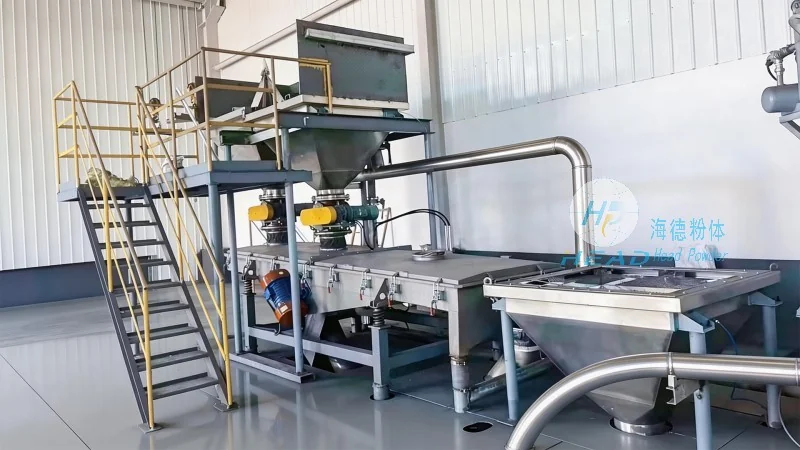
Understanding Pneumatic Conveying Systems
Pneumatic conveying, also known as air conveying, is a method of transporting bulk materials through a pipeline using a moving air stream. In the context of wheat bran, this technology is particularly effective due to the material's fine particle size and tendency to create dust or caking issues when handled mechanically. The system typically consists of a hopper, a conveyor line, and a receiver, with air being supplied by a blower or fan. The material is fed into the system, where it is entrained by the air flow and carried through the pipeline to the destination point.
The Role of Air Flow in Material Transport
The efficiency of pneumatic conveying heavily depends on the air flow rate and pressure. For wheat bran, which is a light, powdery material, a moderate air velocity is sufficient to keep particles suspended and prevent blockages. The system can be designed as either a pressure or vacuum type. Pressure systems use positive pressure to push material through the pipeline, while vacuum systems use negative pressure to pull material from the source. The choice between the two depends on the distance, height, and layout of the conveying path, as well as the material's characteristics.
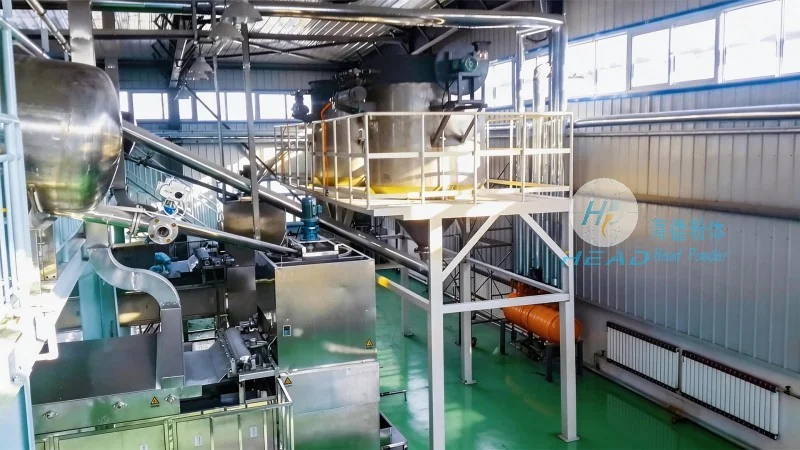
Benefits of Pneumatic Conveying for Wheat Bran
Implementing pneumatic conveying for wheat bran offers several advantages over traditional mechanical methods. First, it minimizes material degradation and contamination, as the material is not subjected to friction or impact during transport. This is critical for food-grade products like wheat bran, where maintaining purity and quality is paramount. Second, the system reduces labor costs and operational downtime by automating the material handling process. Unlike belt conveyors or bucket elevators, pneumatic systems can handle materials without the need for frequent maintenance or adjustments. Third, pneumatic conveying is flexible and can be easily integrated into existing production lines, allowing for modifications or expansions as needed.
Applications in Food Processing and Related Industries
Pneumatic conveying is widely used in the food processing industry, especially for handling wheat bran, flour, and other powders. In flour mills, for example, pneumatic systems are used to transport wheat bran from storage silos to processing units or packaging areas. This ensures a continuous flow of raw materials, preventing bottlenecks that could disrupt production schedules. Similarly, in animal feed manufacturing, pneumatic conveying is employed to move wheat bran and other ingredients to mixing and blending equipment. The ability to handle fine powders without clogging makes it ideal for these applications.
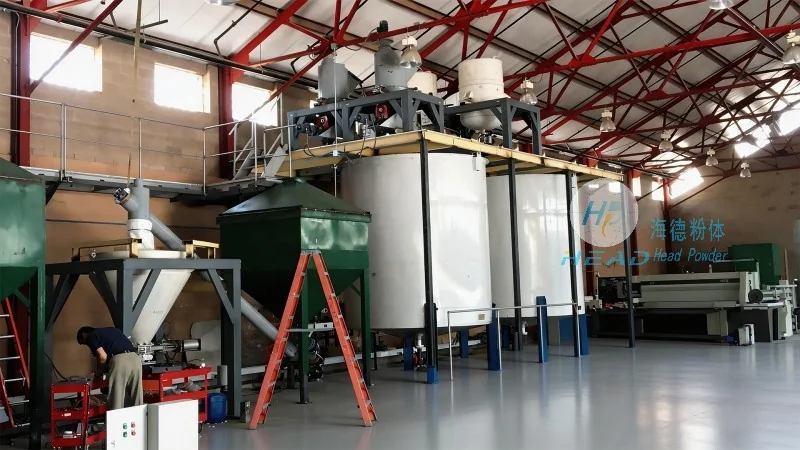
Choosing the Right Pneumatic Conveying System for Wheat Bran
When selecting a pneumatic conveying system for wheat bran, several factors must be considered to ensure optimal performance. The first is the material's flow properties, including its bulk density, angle of repose, and moisture content. These characteristics affect the air velocity required for effective transport. The second is the conveying distance and elevation change, as these determine the pressure or vacuum requirements of the system. Third, the system's capacity and throughput must match the production needs of the facility. Additionally, the system should be designed to comply with food safety regulations, ensuring that all components are made of food-grade materials and are easy to clean and maintain.
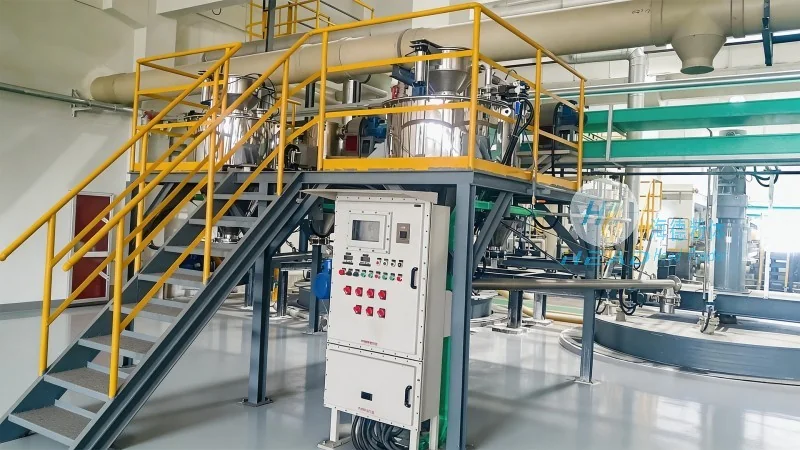
Case Study: Implementation by Shandong HeadPowder Engineering Co., Ltd.
Shandong HeadPowder Engineering Co., Ltd., a leading provider of material handling solutions, has successfully implemented pneumatic conveying systems for wheat bran in various food processing plants across China. One notable project involved a flour mill in Shandong province, where the company installed a pressure pneumatic system to transport wheat bran from storage silos to the milling and packaging areas. The system was designed to handle 10 tons of material per hour, with an air flow rate of 200 cubic meters per minute. The result was a significant reduction in material handling time, from 2 hours to 30 minutes, and a decrease in labor costs by 40%. The system also improved product quality by minimizing dust and contamination, which was critical for meeting food safety standards.
Conclusion: The Future of Efficient Material Handling
Pneumatic conveying remains a cornerstone technology for efficiently transporting wheat bran and other powder and granular materials. As industries continue to demand higher productivity and quality in their operations, the importance of reliable material handling systems will only grow. By leveraging air flow to move materials with precision and minimal impact, pneumatic conveying offers a sustainable and effective solution for food processing and related sectors. For businesses looking to optimize their material handling processes, partnering with a reputable company like Shandong HeadPowder Engineering Co., Ltd. can provide the expertise and systems needed to achieve operational excellence.