

Introduction to Stone Powder Conveying Systems: Advantages of Pneumatic Conveying
HeadPowder, a leading provider of industrial conveying solutions, specializes in the design, manufacturing, and installation of efficient stone powder conveying systems. Based in Shandong, China, the company leverages advanced technology to deliver reliable and cost-effective pneumatic conveying solutions tailored to the unique needs of the stone powder industry. This article explores the key components, operational principles, and significant advantages of pneumatic conveying systems for stone powder transport.
Understanding Pneumatic Conveying Technology
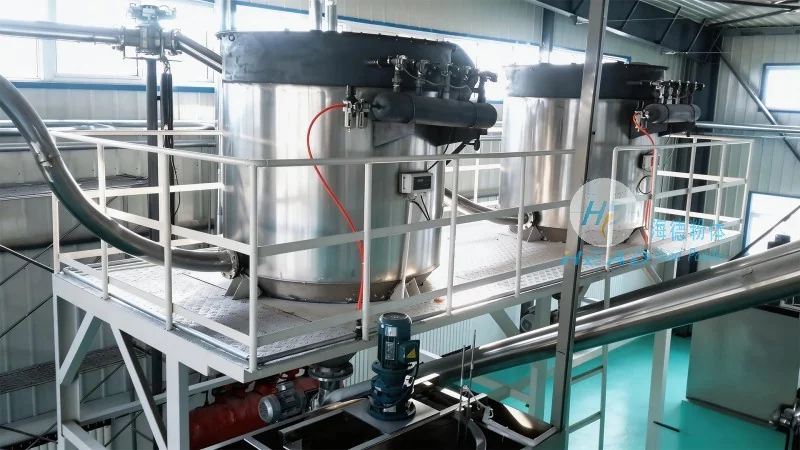
Pneumatic conveying, also known as air conveying, is a method of transporting bulk materials like stone powder through a pipeline using compressed air or other gas streams. Unlike traditional mechanical systems that rely on belts, buckets, or screw conveyors, pneumatic systems utilize the force of air to move materials, offering several distinct benefits. The process typically involves a hopper or feeder that loads the stone powder into a pipeline, where it is then propelled by a positive or negative pressure air flow. This method eliminates the need for moving parts in the conveying line, reducing maintenance requirements and increasing system longevity.
Key Components of a Stone Powder Pneumatic Conveying System
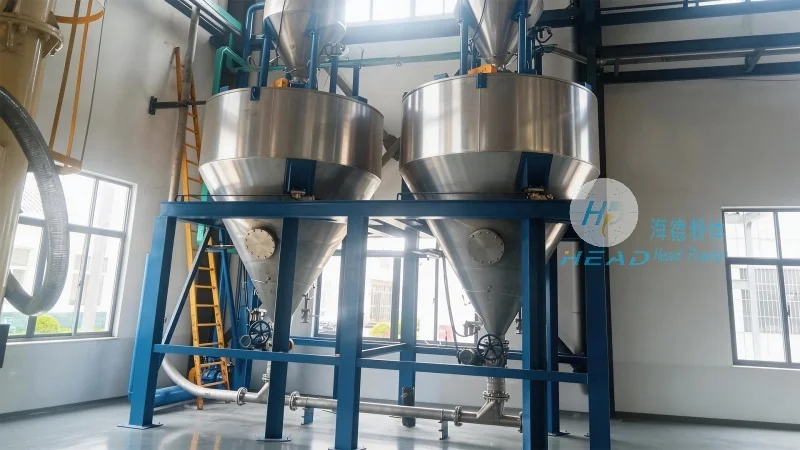
At the core of any effective stone powder conveying system are several critical components that work in tandem to ensure smooth operation. The primary components include a hopper or silo for material storage, a feeder to control the flow rate, a pipeline network to transport the material, a compressor or vacuum pump to generate the air pressure, and a receiver or collection unit to deposit the conveyed stone powder. Each component plays a vital role in maintaining the efficiency and reliability of the system. For instance, the feeder ensures a consistent material feed, preventing blockages and ensuring uniform flow. The pipeline design, often made from corrosion-resistant materials like stainless steel or polyethylene, is crucial for withstanding the abrasive nature of stone powder and maintaining system integrity over time.
Advantages of Pneumatic Conveying for Stone Powder
Compared to traditional mechanical conveying methods, pneumatic systems offer numerous advantages that make them ideal for stone powder applications. One of the most significant benefits is the ability to transport materials over long distances without the need for intermediate transfer points or elevators. This reduces the overall footprint of the system and minimizes the risk of material spillage or contamination. Additionally, pneumatic conveying is highly flexible, allowing for changes in the conveying route or destination without major modifications to the system infrastructure. The system can also handle varying material characteristics, including different particle sizes, moisture content, and bulk densities, making it versatile for diverse stone powder applications.
Operational Efficiency and Cost Savings
Operational efficiency is a key consideration for any industrial system, and pneumatic conveying systems excel in this area. By eliminating the need for mechanical components like belts or screws, maintenance costs are significantly reduced. The absence of moving parts also minimizes downtime, as there are fewer components prone to wear and tear. Furthermore, the energy consumption of pneumatic systems is often lower than that of mechanical systems, especially when transporting materials over short to medium distances. This results in long-term cost savings for businesses, as lower energy bills and reduced maintenance expenses contribute to improved overall profitability.
Environmental and Safety Benefits
Environmental and safety considerations are increasingly important in industrial operations, and pneumatic conveying systems address these concerns effectively. Unlike mechanical systems that may generate dust or require frequent cleaning of transfer points, pneumatic systems keep the material enclosed within the pipeline, reducing dust emissions and improving workplace safety. The enclosed system also prevents material contamination from external sources, ensuring the quality of the stone powder remains consistent throughout the conveying process. Additionally, the lack of moving parts reduces the risk of mechanical failures or accidents, contributing to a safer working environment for personnel.
Customization and Scalability
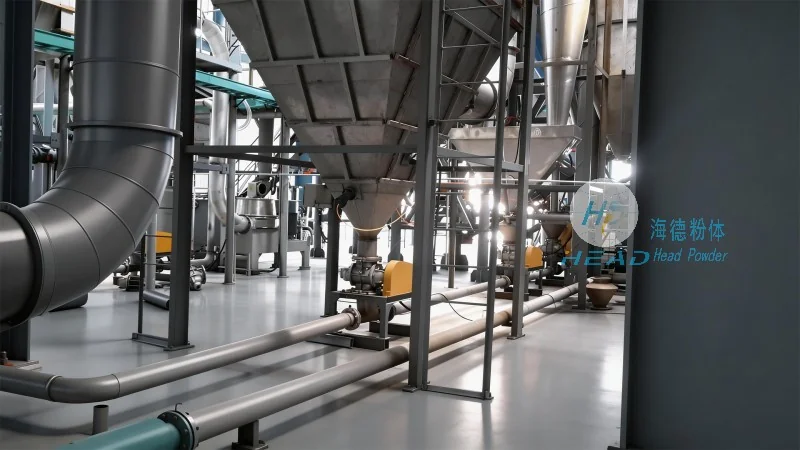
HeadPowder understands that each stone powder operation has unique requirements, and therefore, offers customized pneumatic conveying solutions. The company works closely with clients to design systems that meet specific operational needs, including the required conveying capacity, distance, and material characteristics. Whether a small-scale system for a laboratory or a large-scale system for a processing plant, HeadPowder can provide tailored solutions that enhance productivity and efficiency. The systems are also scalable, allowing for easy expansion as the business grows. This flexibility ensures that clients can invest in a system that meets their current needs while providing the option to upgrade in the future without significant additional costs.
Conclusion
Stone powder conveying systems, particularly those utilizing pneumatic technology, offer a superior solution for the efficient and reliable transport of bulk materials. With their ability to handle long distances, diverse material characteristics, and minimal maintenance requirements, these systems provide significant advantages over traditional mechanical methods. HeadPowder, with its expertise and commitment to quality, continues to be a trusted partner in delivering advanced conveying solutions that meet the evolving needs of the stone powder industry. By leveraging the benefits of pneumatic conveying, businesses can enhance operational efficiency, reduce costs, and improve overall productivity, making it an essential investment for any stone powder processing operation.