

Application and Optimization of Pneumatic Conveying Technology in Sodium Hydroxide Transportation De
When it comes to the safe and efficient transportation of sodium hydroxide, a highly caustic and reactive chemical, the choice of material handling technology is critical. Pneumatic conveying systems have emerged as a leading solution, offering advantages such as non-contact material handling, reduced contamination risk, and enhanced safety features. This article explores the application and optimization of pneumatic conveying technology in sodium hydroxide transportation design, highlighting key considerations and best practices.
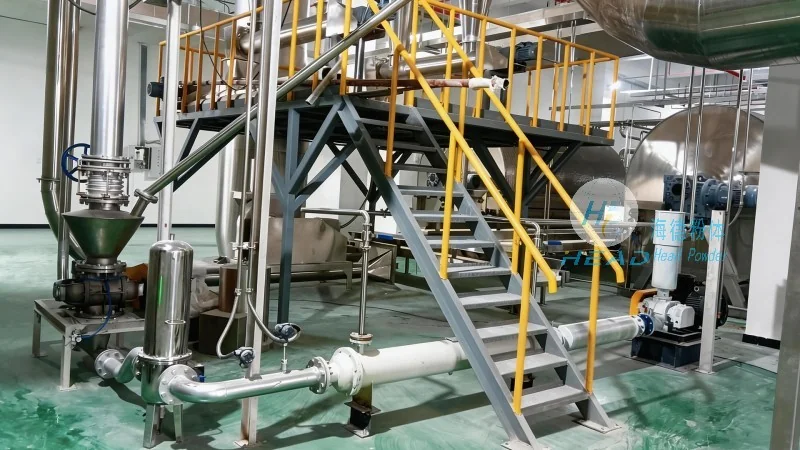
Understanding Pneumatic Conveying for Sodium Hydroxide
Sodium hydroxide, commonly known as caustic soda, is widely used in industries like chemical manufacturing, paper production, and water treatment. Its handling requires specialized equipment due to its corrosive nature and potential for exothermic reactions. Pneumatic conveying systems utilize air or other gases to transport bulk materials through a pipeline network, eliminating the need for mechanical components that could come into direct contact with the chemical. This non-contact approach minimizes contamination and ensures product integrity throughout the transportation process.
Key Considerations in Designing Pneumatic Conveying Systems for Sodium Hydroxide
Designing an effective pneumatic conveying system for sodium hydroxide involves several critical factors. First, the system must be constructed from materials resistant to corrosion, such as stainless steel or specialized alloys, to withstand the chemical's aggressive properties. Second, the air flow rate and pressure must be carefully controlled to maintain optimal conveying efficiency while preventing material degradation or blockages. Third, the system's layout should minimize the number of bends and changes in direction to reduce pressure losses and ensure smooth material flow. Additionally, proper dust collection and filtration systems are essential to maintain air quality and comply with environmental regulations.
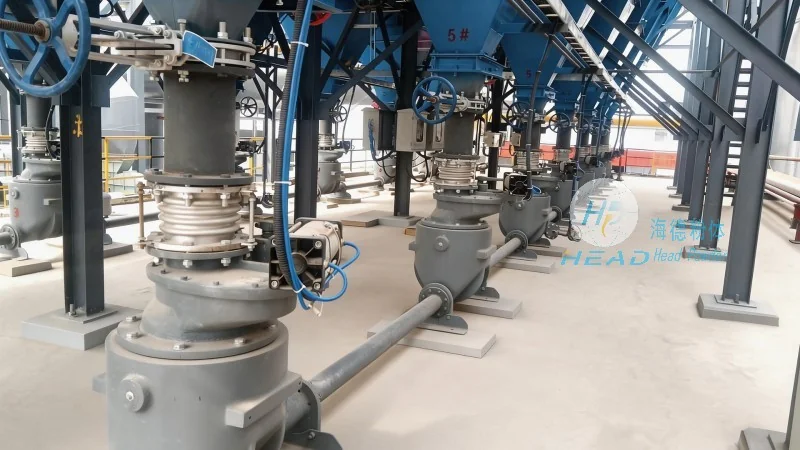
Optimizing Pneumatic Conveying for Sodium Hydroxide: Technology and Innovation
Optimization of pneumatic conveying systems for sodium hydroxide transportation involves leveraging advanced technologies and engineering expertise. One key innovation is the use of high-efficiency air blowers and compressors that provide consistent air pressure and flow, ensuring reliable material transport. Another critical aspect is the implementation of real-time monitoring systems that track pressure, flow rates, and material levels, allowing for immediate adjustments to maintain optimal performance. Furthermore, the integration of automated control systems enables precise regulation of the conveying process, reducing human error and enhancing operational efficiency.
HeadPowder Engineering: Expertise in Sodium Hydroxide Pneumatic Conveying Solutions
Shandong HeadPowder Engineering Co., Ltd., a leading provider of bulk material handling solutions, specializes in designing and implementing advanced pneumatic conveying systems for sodium hydroxide and other caustic chemicals. With years of experience in the industry, HeadPowder has developed a deep understanding of the unique challenges associated with handling sodium hydroxide and has tailored solutions to meet the specific needs of clients. The company's team of engineers and technicians works closely with clients to assess their requirements, conduct feasibility studies, and design customized systems that optimize performance, safety, and cost-effectiveness.
Customized Pneumatic Conveying Solutions for Sodium Hydroxide Applications
HeadPowder offers a range of customized pneumatic conveying solutions tailored to the diverse applications of sodium hydroxide. These solutions include pressure and vacuum conveying systems, as well as dense-phase and dilute-phase conveying options, depending on the specific requirements of the process. The company's designs incorporate the latest advancements in material handling technology, ensuring that each system is optimized for the unique characteristics of sodium hydroxide, such as its high reactivity and potential for caking. Additionally, HeadPowder provides comprehensive support services, including installation, commissioning, and ongoing maintenance, to ensure that the systems operate at peak efficiency throughout their lifecycle.
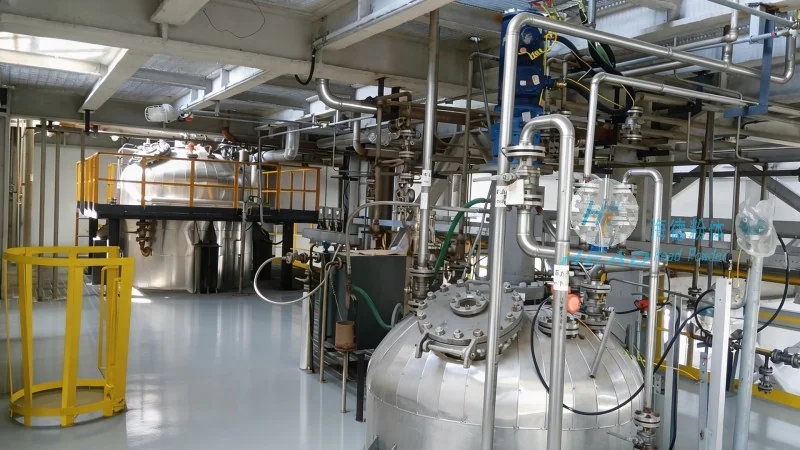
Ensuring Safety and Compliance in Sodium Hydroxide Pneumatic Conveying
Given the hazardous nature of sodium hydroxide, safety is a top priority in the design and operation of pneumatic conveying systems. HeadPowder's solutions incorporate multiple safety features, including pressure relief valves, emergency shut-off systems, and monitoring equipment that alerts operators to any deviations from normal operating conditions. The company also adheres to strict industry standards and regulations, ensuring that all systems are compliant with local and international safety guidelines. This commitment to safety not only protects personnel and equipment but also helps clients maintain regulatory compliance and avoid costly incidents.
Conclusion: The Role of Pneumatic Conveying in Optimizing Sodium Hydroxide Transportation
In conclusion, pneumatic conveying technology plays a vital role in the safe and efficient transportation of sodium hydroxide. By optimizing system design, leveraging advanced technologies, and adhering to best practices, organizations can enhance the performance and reliability of their material handling processes. With its expertise in bulk material handling, Shandong HeadPowder Engineering Co., Ltd. provides comprehensive solutions that address the unique challenges of sodium hydroxide transportation, helping clients achieve their operational goals while maintaining the highest standards of safety and efficiency.