

Preventing Dust Leakage in Pneumatic Conveying Systems for Lithium Iron Phosphate
When it comes to handling lithium iron phosphate (LFP), a critical concern for many industries is the prevention of dust leakage during the pneumatic conveying process. LFP, a widely used cathode material in lithium-ion batteries, poses unique challenges due to its fine particle size and potential for generating airborne dust. Properly designed pneumatic conveying systems are essential to maintain safety, compliance with regulations, and operational efficiency. This article explores effective strategies and solutions to prevent dust leakage when using pneumatic conveying systems for LFP, with insights from industry leader HeadPowder.
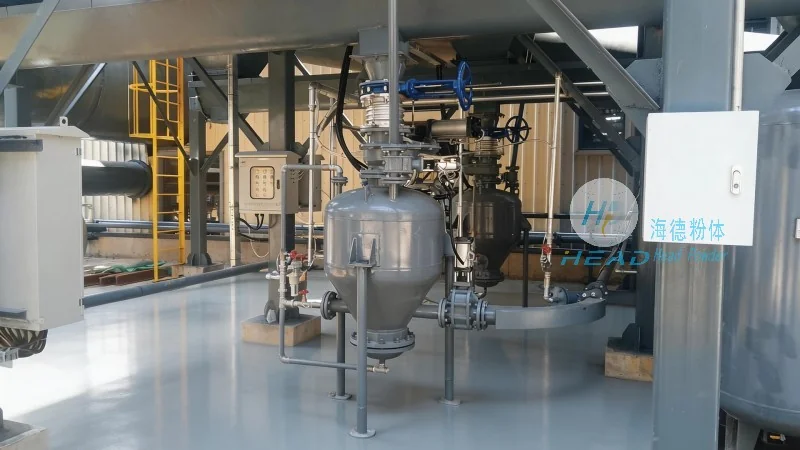
Understanding the Challenges of LFP Handling with Pneumatic Conveying
Lithium iron phosphate (LFP) is a fine, powdery material that is highly susceptible to dispersion into the air when handled. In pneumatic conveying systems, where materials are transported via air pressure, the risk of dust leakage increases significantly. The primary challenges include:
- High dust generation during material loading and transfer
- Difficulties in maintaining airtight seals in the conveying lines
- Compliance with occupational health and safety standards regarding dust exposure
- Ensuring consistent material flow without clogging or blockages that could lead to pressure differentials and leakage
HeadPowder: A Leader in Pneumatic Conveying Solutions
Shandong HeadPowder Engineering Co., Ltd., a renowned company based in China, specializes in engineering and manufacturing advanced pneumatic conveying systems tailored to the needs of the battery and material handling industries. With years of experience in the field, HeadPowder has developed innovative solutions to address the specific challenges of LFP handling. The company’s expertise lies in designing systems that prioritize dust containment, operational reliability, and adherence to industry standards.
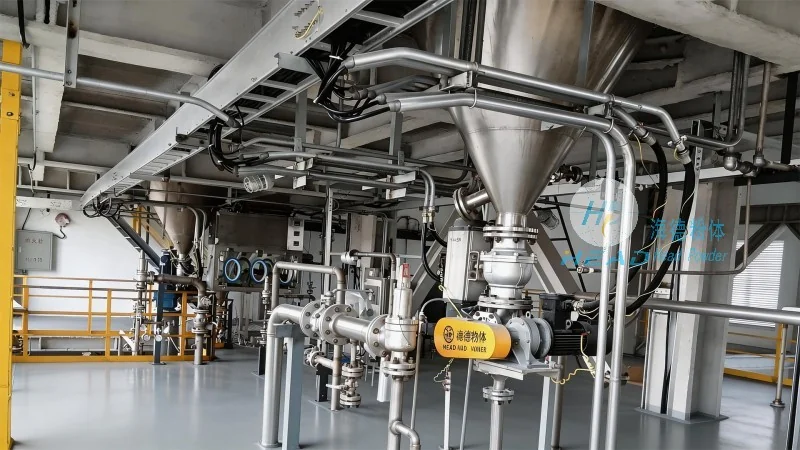
Key Solutions to Prevent Dust Leakage in LFP Pneumatic Conveying
Effective prevention of dust leakage in pneumatic conveying systems for LFP involves a combination of engineering design, material selection, and operational practices. Here are some critical solutions implemented by HeadPowder:
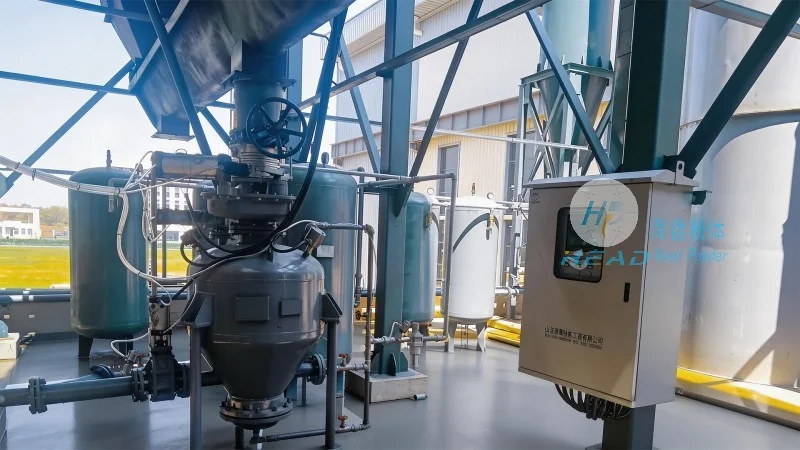
- Advanced Sealing and Airtight Design: HeadPowder employs state-of-the-art sealing technologies to ensure that conveying lines, hoppers, and transfer points are completely airtight. This includes using high-quality gaskets, flexible connectors, and custom-designed components that minimize gaps where dust can escape.
- Efficient Dust Collection Systems: Integrated dust collection and filtration systems are integrated into the conveying process. These systems capture any airborne particles, ensuring that the environment remains clean and safe. The use of high-efficiency particulate air (HEPA) filters and cyclone separators helps in capturing fine LFP dust particles effectively.
- Optimized Airflow and Pressure Management: Proper control of airflow and pressure within the system is crucial. HeadPowder’s systems are designed with precise pressure sensors and control valves that maintain consistent pressure, reducing the likelihood of pressure differentials that could cause leaks. This also helps in preventing material clogging, which is a common cause of dust generation.
- Material Handling Equipment with Dust-Containment Features: The company’s equipment, such as feeders and hoppers, is designed with features that minimize dust generation during material loading. For example, some models use enclosed loading mechanisms and vibration systems to ensure material flows smoothly without creating excessive dust.
Ensuring Compliance and Operational Efficiency
Preventing dust leakage not only enhances safety but also ensures compliance with environmental and occupational health regulations. HeadPowder’s solutions are designed to meet or exceed these standards, providing peace of mind to businesses operating in the battery and material processing sectors. Additionally, by minimizing dust-related issues, the company’s systems contribute to improved operational efficiency, reduced downtime, and lower maintenance costs.
Conclusion
Handling lithium iron phosphate with pneumatic conveying systems requires careful attention to dust containment and system design. With its expertise and innovative solutions, Shandong HeadPowder Engineering Co., Ltd. offers reliable and effective solutions to prevent dust leakage. By implementing advanced sealing, efficient dust collection, and optimized airflow management, businesses can ensure safe and efficient handling of LFP while maintaining compliance with industry standards. HeadPowder’s commitment to quality and customer satisfaction makes it a trusted partner for companies seeking to enhance their LFP handling processes.