

Preventing Dust Leakage in Pneumatic Conveying Systems for Lithium Hydroxide
For industries handling lithium hydroxide, maintaining a dust-free environment is critical for both operational efficiency and safety. Pneumatic conveying systems, while efficient for transporting bulk materials like lithium hydroxide, can pose challenges in preventing dust leakage. This article explores effective strategies and solutions provided by Shandong HeadPowder Engineering Co., Ltd. to ensure safe and reliable material handling.
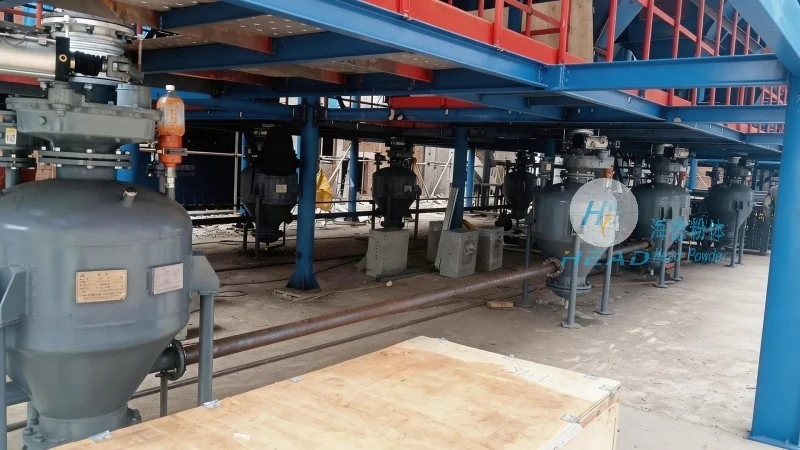
Understanding the Challenges of Lithium Hydroxide Handling
Lithium hydroxide is a hygroscopic and fine powder, making it prone to generating dust during handling and transportation. Traditional pneumatic conveying systems, if not properly designed, may lead to dust leakage at joints, valves, and transfer points. This not only poses health risks to workers but also affects the purity of the material and can lead to equipment damage over time. Therefore, implementing robust dust control measures is essential for industries relying on lithium hydroxide in applications such as battery manufacturing, chemical processing, and pharmaceuticals.
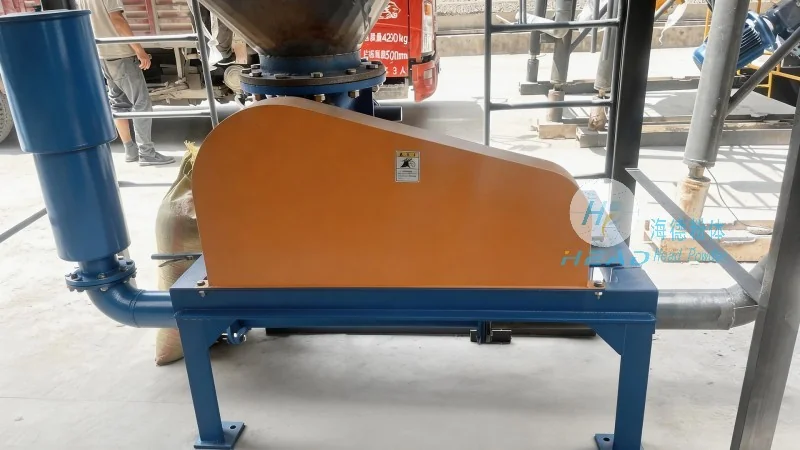
HeadPowder's Pneumatic Conveying Solutions for Lithium Hydroxide
Shandong HeadPowder Engineering Co., Ltd. specializes in designing and manufacturing advanced pneumatic conveying systems tailored to the unique properties of lithium hydroxide. Our systems incorporate state-of-the-art sealing technologies and filtration mechanisms to minimize dust leakage. Key features include:
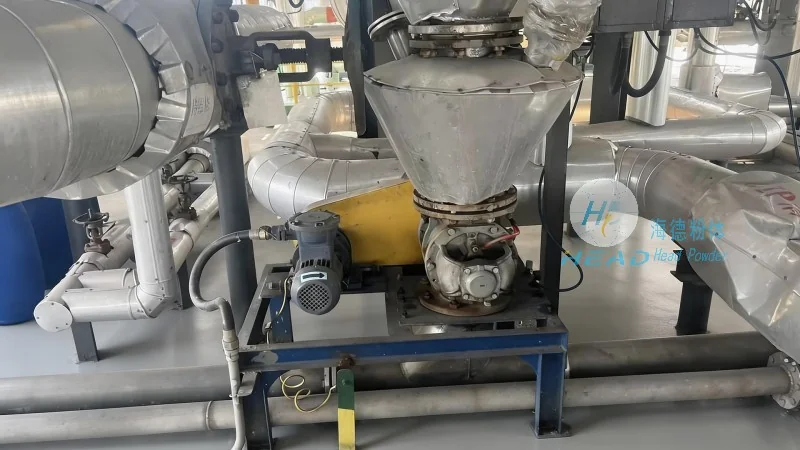
- Advanced Sealing Joints: Custom-designed sealing components that ensure tight connections at all points of the conveying line, preventing dust escape.
- Efficient Filtration Systems: High-efficiency dust filters integrated into the system to capture any particles that may escape, maintaining material purity and compliance with environmental regulations.
- Optimized Airflow Management: Precise control of air pressure and flow rates to reduce turbulence and minimize dust generation during material transport.
Preventing Dust Leakage: Key Design Considerations
Effective dust control in pneumatic conveying systems for lithium hydroxide involves several critical design considerations. First, the system must be constructed with materials resistant to the chemical properties of lithium hydroxide to prevent corrosion and degradation over time. Second, the use of positive pressure or negative pressure conveying, depending on the application, is crucial. Positive pressure systems are often preferred as they create a sealed environment, reducing the risk of dust leakage into the surrounding area.
Benefits of Implementing HeadPowder's Solutions
By adopting HeadPowder's pneumatic conveying systems, industries can enjoy several benefits. These include improved worker safety by reducing exposure to fine dust, enhanced product quality through minimized contamination, and reduced maintenance costs due to the durability of our sealing and filtration components. Additionally, our systems are designed for easy integration into existing production lines, ensuring minimal disruption to operations.
Conclusion
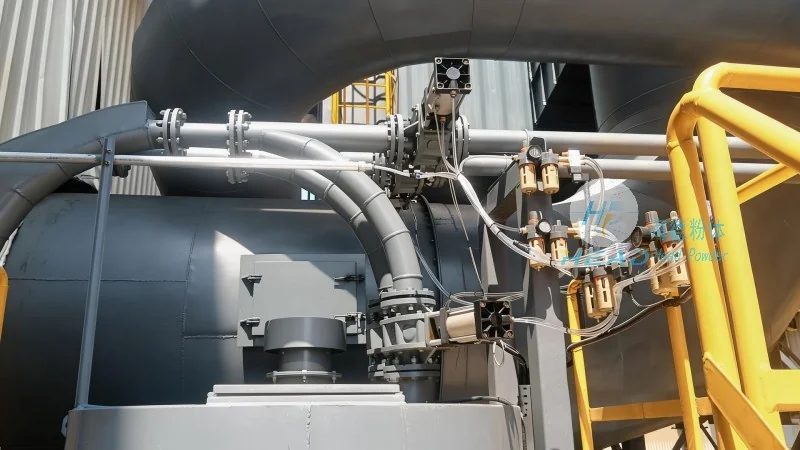
Preventing dust leakage in pneumatic conveying systems for lithium hydroxide requires a comprehensive approach that combines advanced engineering, robust materials, and efficient filtration. Shandong HeadPowder Engineering Co., Ltd. provides tailored solutions that address these challenges, ensuring safe and efficient handling of lithium hydroxide. With our expertise and commitment to quality, we help industries maintain high standards of safety and productivity in their material handling processes.