

Types, Characteristics, and Applications of Pneumatic Conveying for Synthetic Rubber
For industries dealing with synthetic rubber, efficient material handling is crucial to maintain production efficiency and product quality. Pneumatic conveying systems offer a versatile solution for transporting synthetic rubber, with various types tailored to specific operational needs. This article explores the different types of pneumatic conveying for synthetic rubber, their key characteristics, and the typical application ranges, providing insights into how these systems enhance material handling processes.
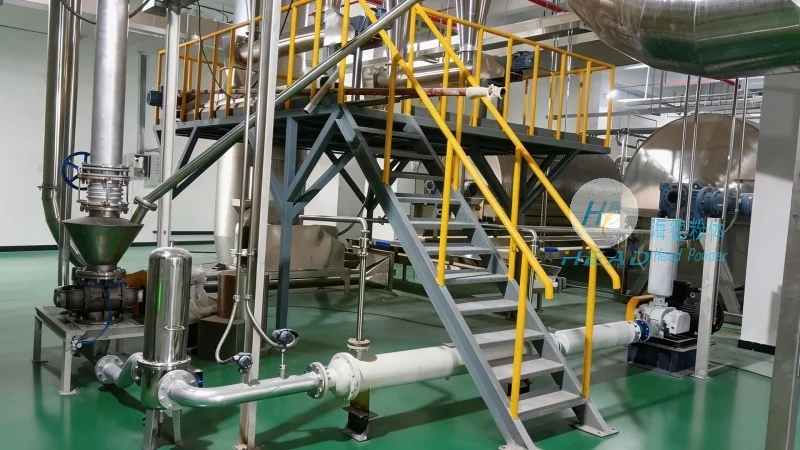
Overview of Pneumatic Conveying Systems for Synthetic Rubber
Pneumatic conveying systems use air or gas to transport bulk materials like synthetic rubber through a pipeline network. These systems are widely adopted in the rubber processing industry due to their ability to handle abrasive or sensitive materials without causing degradation. The choice of system type depends on factors such as material properties, distance to be conveyed, and the required flow rate. Two primary categories of pneumatic conveying exist: pressure and vacuum systems, each with distinct operational principles and applications.
Types of Pneumatic Conveying for Synthetic Rubber
1. Pressure Pneumatic Conveying - This system operates by blowing air or gas into the conveying line under pressure, typically using a positive displacement blower or a rotary lobe blower. The pressure forces the synthetic rubber particles through the pipeline. Pressure systems are suitable for long-distance conveying and can handle high volumes of material. They are commonly used in large-scale production facilities where the rubber needs to be transported from storage to processing units. The pressure system ensures consistent flow rates and can accommodate various rubber types, including fine powders and granules.
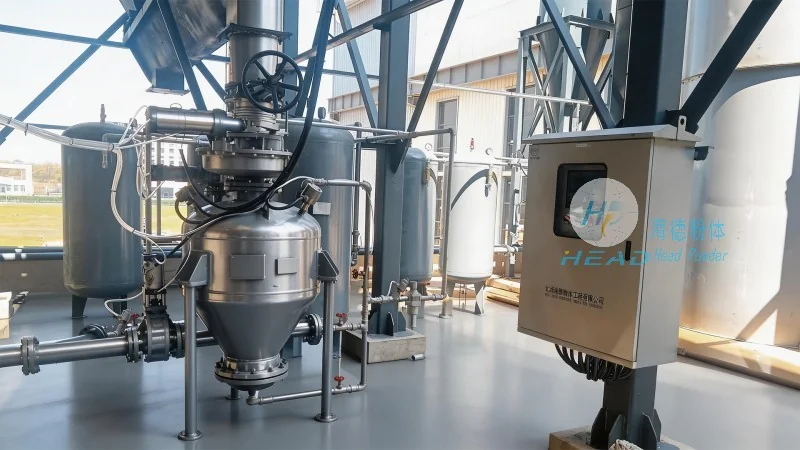
2. Vacuum Pneumatic Conveying - In contrast, vacuum systems draw material into the pipeline using a vacuum pump. The material is drawn from a hopper or storage container into the conveying line as air is removed from the system. Vacuum systems are ideal for short to medium-distance conveying and are often used for transferring rubber from a processing area back to a storage location. They are particularly effective for handling fine powders that might be prone to dusting or for applications requiring gentle material handling. The vacuum system maintains a low pressure environment, which minimizes the risk of material degradation and ensures a clean transfer process.
3. Combination (Pressure-Vacuum) Systems - Some applications may require a hybrid approach, combining elements of both pressure and vacuum systems. These systems use a combination of pressure and vacuum to optimize material flow. For instance, a pressure system may be used to transport rubber from a storage silo to an intermediate hopper, while a vacuum system transports it from the hopper to the processing equipment. This hybrid approach allows for flexible material handling, accommodating both long and short distances within a single system. The combination system is particularly useful in complex production lines where multiple transfer points are involved.
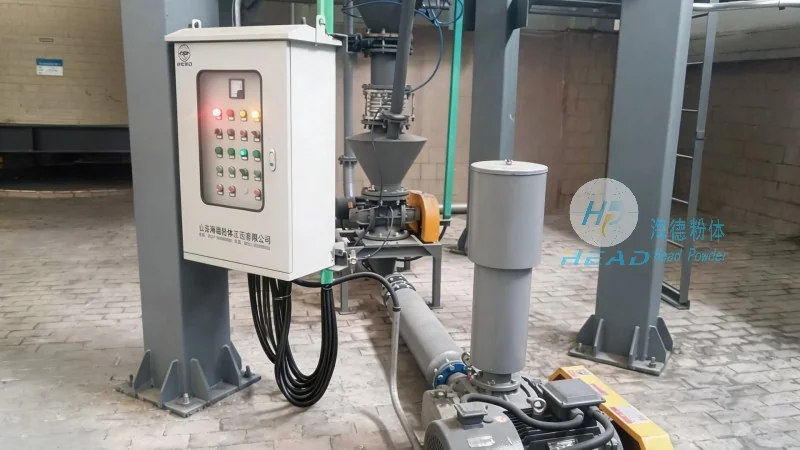
Key Characteristics of Synthetic Rubber Pneumatic Conveying Systems
When evaluating pneumatic conveying systems for synthetic rubber, several key characteristics must be considered to ensure optimal performance and longevity. These characteristics include material handling capacity, system efficiency, and operational flexibility.
1. Material Handling Capacity - The capacity of a pneumatic conveying system is determined by the flow rate of synthetic rubber it can transport. This is influenced by factors such as the size and density of the rubber particles, the air velocity, and the system pressure. High-capacity systems are essential for large-scale production facilities where large volumes of rubber need to be moved quickly. The system must be designed to handle the specific characteristics of synthetic rubber, such as its abrasiveness or tendency to agglomerate, to prevent blockages or system damage.