

What is a Hydrogen Sulfide Pneumatic Conveying Machine? And What Are Its Design Principles?
Hydrogen sulfide (H₂S) is a toxic and flammable gas commonly encountered in industrial processes, particularly in the oil and gas, chemical, and mining sectors. The safe and efficient handling of H₂S is critical for industrial operations, and one of the key technologies used for this purpose is the hydrogen sulfide pneumatic conveying machine. This equipment is designed to transport H₂S from one location to another using air or other gas as the conveying medium. Understanding the function and design principles of such a machine is essential for ensuring safe and effective industrial operations.
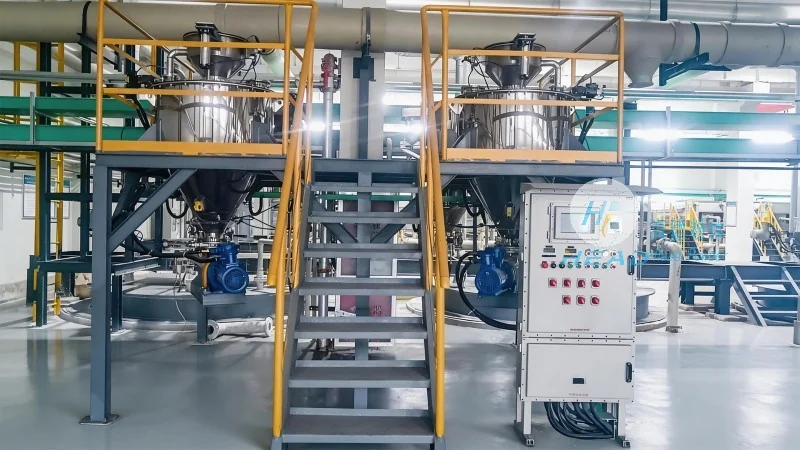
Introduction to Hydrogen Sulfide Pneumatic Conveying Machines
Hydrogen sulfide pneumatic conveying machines are specialized equipment used to transport hydrogen sulfide gas through a pipeline system. These machines are typically used in industrial settings where H₂S is produced as a byproduct or needs to be transferred between processing units. The primary goal of these systems is to move H₂S safely and efficiently, minimizing exposure risks to workers and preventing environmental contamination.
Key Components of a Hydrogen Sulfide Pneumatic Conveying System
A typical hydrogen sulfide pneumatic conveying system consists of several key components that work together to achieve the desired transport. The main components include a gas source (such as a blower or compressor), a conveying line, a control system, and a collection or discharge unit. The gas source provides the necessary pressure and flow to move the H₂S through the pipeline. The conveying line is designed to withstand the corrosive and toxic nature of H₂S, often made from materials like stainless steel or specialized coatings to prevent degradation. The control system monitors and regulates the flow of gas and H₂S, ensuring safe operation. The collection or discharge unit is where the H₂S is released or processed further.
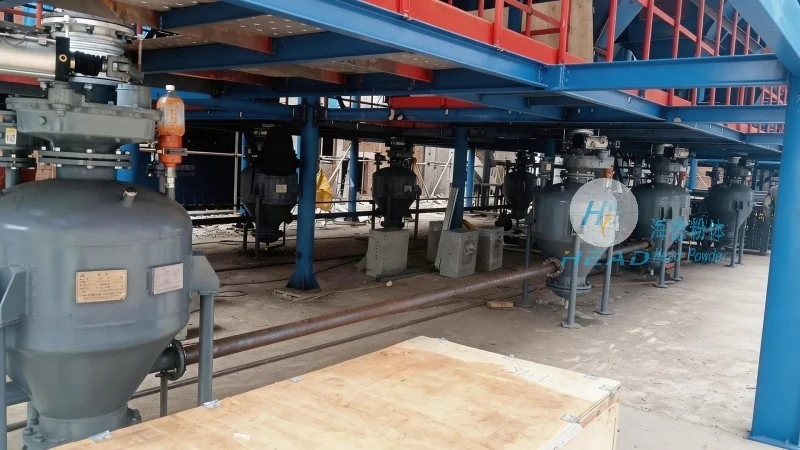
Design Principles of Hydrogen Sulfide Pneumatic Conveying Machines
The design of hydrogen sulfide pneumatic conveying machines follows several key principles to ensure safety, efficiency, and durability. One of the primary principles is the use of positive pressure or negative pressure systems. Positive pressure systems use a blower to push the H₂S through the pipeline, while negative pressure systems use a vacuum to draw the gas. The choice between these systems depends on the specific application and the distance the H₂S needs to be transported. Another important principle is the selection of appropriate materials for the equipment. Since H₂S is corrosive and can cause metal degradation, materials like stainless steel, Hastelloy, or other corrosion-resistant alloys are commonly used for the conveying line, valves, and other components. Additionally, the design must incorporate safety features such as pressure relief valves, gas detectors, and emergency shut-off systems to prevent accidents and ensure worker safety.
How Hydrogen Sulfide Pneumatic Conveying Machines Work
The operation of a hydrogen sulfide pneumatic conveying machine involves several steps. First, the H₂S is introduced into the conveying line, either by being pumped or by the pressure from the gas source. The gas source then provides the necessary airflow to move the H₂S through the pipeline. The H₂S is carried by the air stream, which can be either a dilute phase (where the H₂S is dispersed as fine particles) or a dense phase (where the H₂S is moved as a slurry). The choice between these phases depends on the specific requirements of the application, such as the distance to be covered and the amount of H₂S to be transported. The conveying line is designed to maintain the appropriate pressure and flow to ensure the H₂S is moved efficiently and safely. At the destination, the H₂S is discharged into a collection system or processing unit, where it can be further treated or utilized.
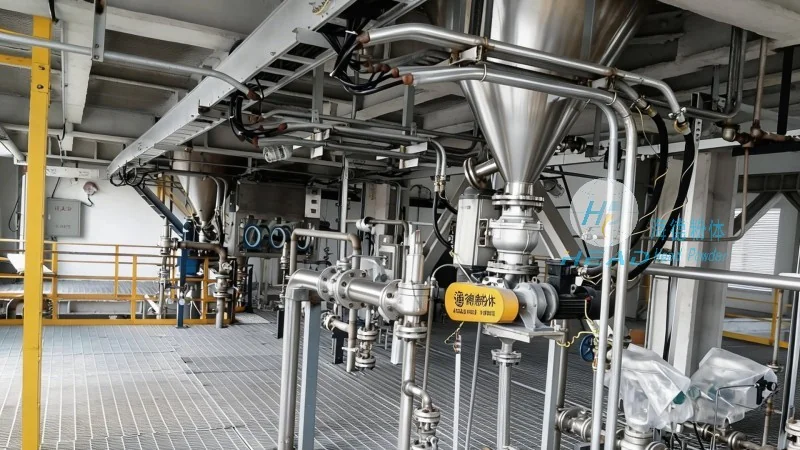
Applications of Hydrogen Sulfide Pneumatic Conveying Machines
Hydrogen sulfide pneumatic conveying machines are used in a variety of industrial applications where H₂S needs to be transported safely and efficiently. Some common applications include the transfer of H₂S from gas wells to processing facilities, the movement of H₂S between chemical reactors, and the handling of H₂S in mining operations. These machines are also used in the petrochemical industry for the transport of H₂S from sour gas streams to sulfur recovery units. The ability to handle H₂S in a safe and controlled manner makes these machines essential for many industrial processes.
Benefits of Using Hydrogen Sulfide Pneumatic Conveying Machines
There are several benefits to using hydrogen sulfide pneumatic conveying machines for H₂S transport. One of the main benefits is the reduction in exposure risks for workers. By using a closed system, the H₂S is contained and transported without direct contact with workers, minimizing the risk of inhalation or skin exposure. Another benefit is the efficiency of the system, as it can transport large volumes of H₂S over long distances with minimal energy consumption. Additionally, the use of a closed system reduces the risk of environmental contamination, as the H₂S is not released into the atmosphere. The durability of the equipment, due to the use of corrosion-resistant materials, also contributes to long-term cost savings and reliability.
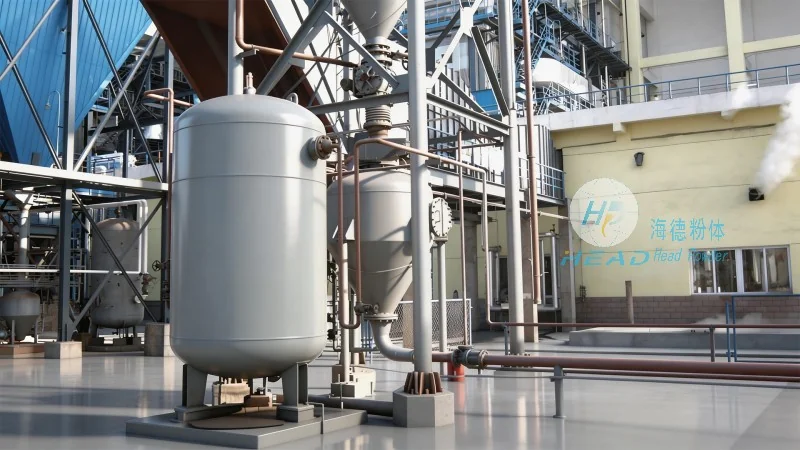
Company Overview: Shandong HeadPowder Engineering Co., Ltd.
Shandong HeadPowder Engineering Co., Ltd. is a leading manufacturer of industrial equipment, including hydrogen sulfide pneumatic conveying machines. The company is headquartered in Shandong, China, and has a strong reputation for producing high-quality, reliable equipment for various industrial applications. HeadPowder specializes in designing and manufacturing equipment that meets the specific needs of its clients, ensuring that the equipment is safe, efficient, and durable. The company's products are used in a wide range of industries, including oil and gas, chemical, and mining, and are known for their performance and reliability.
Conclusion
Hydrogen sulfide pneumatic conveying machines are an essential part of modern industrial operations, providing a safe and efficient way to transport H₂S. The design principles and components of these machines are carefully engineered to ensure that they can handle the corrosive and toxic nature of H₂S while maintaining worker safety and environmental protection. Companies like Shandong HeadPowder Engineering Co., Ltd. play a crucial role in providing these machines to the industry, helping to ensure that industrial processes can operate safely and effectively.