

What is a Monosodium Glutamate Powder Conveying Line? Exploring Design Principles
Monosodium glutamate (MSG), a common flavor enhancer in the food industry, requires specialized handling due to its fine particle size and hygroscopic properties. The efficient transportation of MSG powder from storage to processing units is critical for maintaining production efficiency and product quality. A monosodium glutamate powder conveying line is a comprehensive system designed to address these challenges, ensuring safe, reliable, and cost-effective movement of the material. This article explores the design principles, key components, and operational aspects of such systems, with insights from Shandong HeadPowder Engineering Co., Ltd., a leading manufacturer based in Shandong, China.
Key Components of a Monosodium Glutamate Powder Conveying System
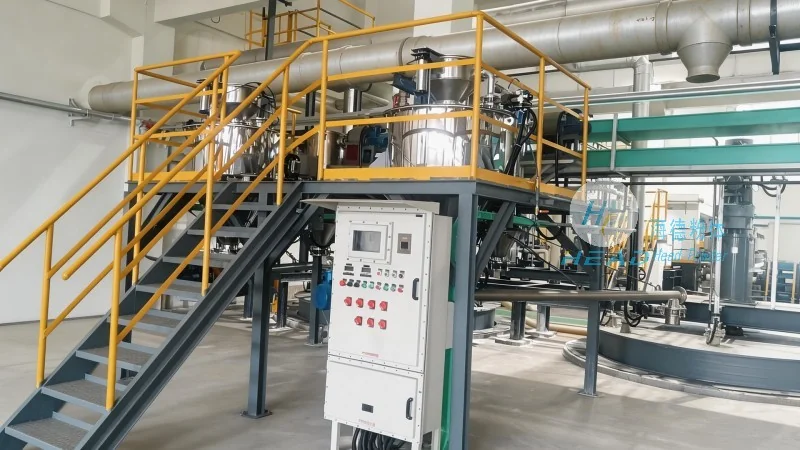
The monosodium glutamate powder conveying line comprises several essential components that work together to facilitate material transport. The primary components include a storage hopper or silo, a feeding device (e.g., rotary valve or screw feeder), a conveying mechanism (such as pneumatic or mechanical), and a control system. The storage hopper is typically designed with a conical bottom to prevent material buildup and facilitate discharge. The feeding device regulates the flow of powder into the conveying system, ensuring consistent and controlled delivery. The conveying mechanism, whether pneumatic (using air pressure or vacuum) or mechanical (e.g., screw or belt conveyors), transports the powder to the processing area. The control system monitors and adjusts the process parameters, such as flow rate and pressure, to maintain optimal performance.
Design Principles for Efficient and Safe Conveying
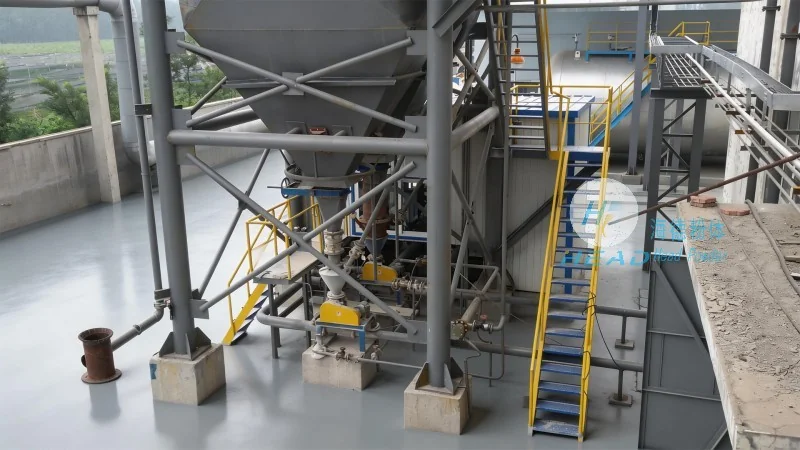
The design of a monosodium glutamate powder conveying line is guided by several key principles to ensure efficiency, energy savings, and safety. First, the system must accommodate the hygroscopic nature of MSG, which can lead to clumping or caking if moisture is present. Engineers incorporate anti-static features and temperature control to prevent material agglomeration. Second, the conveying method is selected based on the required distance and throughput. For short distances (e.g., within a factory), mechanical conveyors like screw or belt conveyors are often cost-effective. For longer distances or when handling fine powders, pneumatic systems are preferred due to their ability to transport materials without direct contact, reducing product degradation. Third, the design prioritizes minimal energy consumption, with considerations such as optimizing pipe diameter and reducing pressure losses. Additionally, safety features, including explosion-proof components and material flow monitoring, are integrated to comply with industry regulations and protect personnel.
Engineering Solutions by Shandong HeadPowder Engineering Co., Ltd.
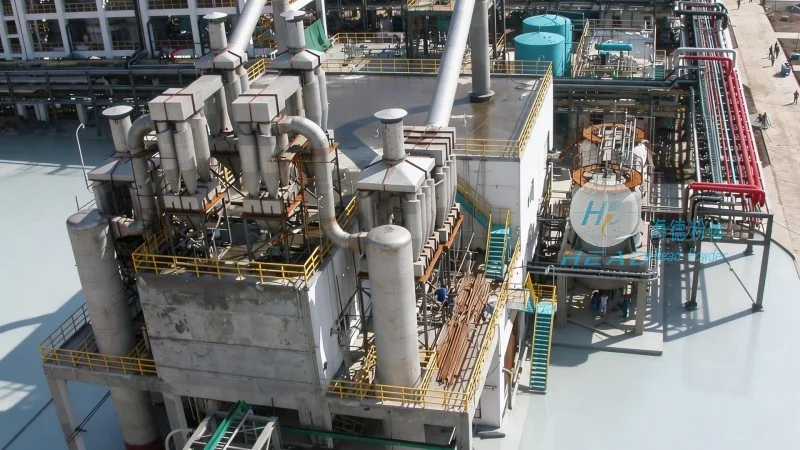
Shandong HeadPowder Engineering Co., Ltd. specializes in providing customized powder conveying solutions tailored to the food industry, including systems for monosodium glutamate. The company’s engineering team designs systems that address the unique challenges of handling MSG, such as its fine particle size and potential for dust generation. Their conveying lines are built with high-quality materials, such as stainless steel, to withstand the corrosive nature of the powder and ensure durability. The company utilizes advanced control technologies, including programmable logic controllers (PLCs) and sensors, to monitor and regulate the process, ensuring consistent flow rates and preventing blockages. Shandong HeadPowder Engineering Co., Ltd. also offers modular designs, which allow for easy installation and maintenance, reducing downtime for food processing facilities. With a focus on customer satisfaction and adherence to industry standards, the company has established itself as a trusted partner for businesses in the food processing sector.
Operational Considerations and Maintenance Practices
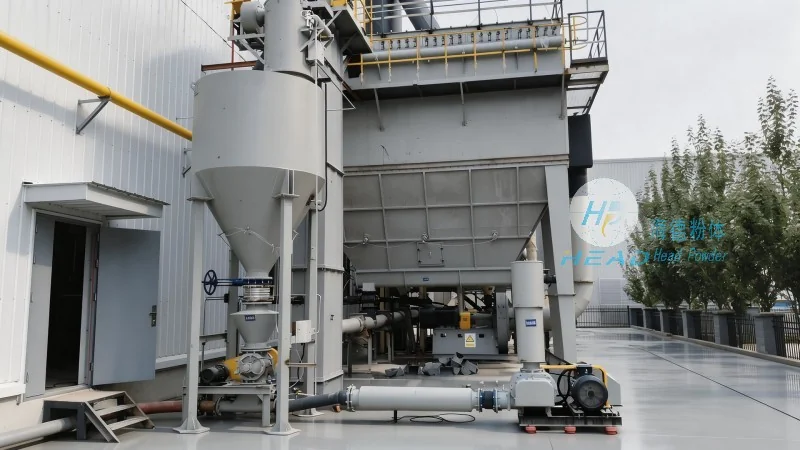
Proper operation and regular maintenance are crucial for the long-term performance and reliability of a monosodium glutamate powder conveying line. Regular cleaning of the hopper, feeding device, and conveying pipes is essential to prevent the accumulation of powder residues, which can affect flow and lead to contamination. The control system should be equipped with alarms and monitoring tools to detect any deviations in performance, allowing for immediate intervention. Additionally, the use of high-quality seals and gaskets is critical to prevent air leaks in pneumatic systems, which can reduce efficiency and increase energy consumption. Maintenance schedules should include inspections of all moving parts, such as bearings and screws, to ensure smooth operation. By following these practices, food processing plants can maximize the efficiency of their conveying systems while maintaining product integrity and meeting regulatory requirements.