

What is an intermittent powder pneumatic conveyor? What are its design principles?
Intermittent powder pneumatic conveyors are specialized systems designed to transport bulk powders and granular materials over short to medium distances. Unlike continuous pneumatic conveying systems, these conveyors operate in a batch or intermittent mode, where material is loaded into a hopper or container, conveyed in discrete batches, and then discharged at the receiving end. This mode of operation offers several advantages, including the ability to handle a wide range of powder characteristics, reduce product degradation, and maintain consistent flow rates. The design principles of these systems are centered around the efficient transfer of material using compressed air or other gases, with key components such as hoppers, rotary valves, and conveying lines working in coordination to achieve reliable and controlled transport.
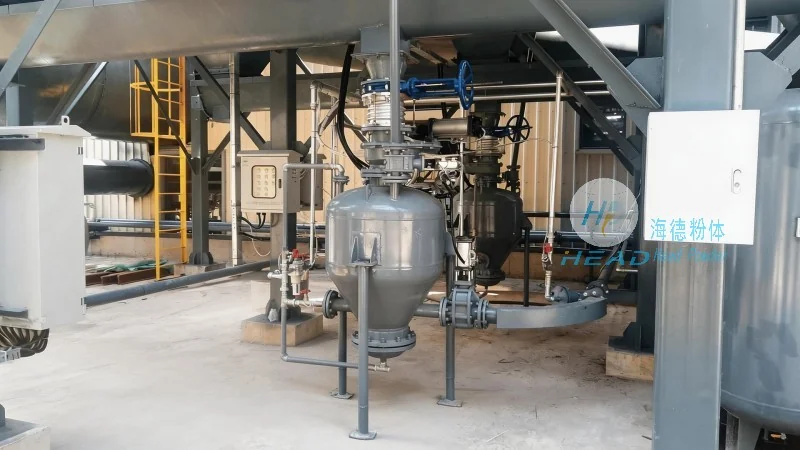
Key Design Principles of Intermittent Powder Pneumatic Conveyors
The design of an intermittent powder pneumatic conveyor involves several critical principles to ensure optimal performance. First, the system must be capable of handling the specific properties of the material being conveyed, such as particle size, density, moisture content, and flowability. This is achieved through the selection of appropriate hopper designs, which may include conical or rectangular shapes to promote uniform material flow and prevent bridging or segregation. Rotary valves are another essential component, as they control the intake and discharge of material in a controlled manner, ensuring that the conveying process occurs in discrete batches. The conveying line itself is typically made of materials like stainless steel or PVC to prevent corrosion and material contamination, and is equipped with pressure regulators and filters to maintain consistent air pressure and quality. Additionally, the system must incorporate safety features, such as pressure relief valves and explosion-proof designs, to protect against overpressure and potential hazards. The overall design aims to balance efficiency, reliability, and cost-effectiveness, making intermittent pneumatic conveyors suitable for various industrial applications.
Components and Operation of Intermittent Powder Pneumatic Conveyors
The operation of an intermittent powder pneumatic conveyor involves a series of steps that ensure the smooth transfer of material. The process begins with the loading of the hopper, where the bulk material is placed. Once the hopper is filled, a rotary valve at the inlet closes to prevent backflow. Simultaneously, the conveying line is pressurized with compressed air, which creates a negative pressure at the discharge end, drawing the material from the hopper into the line. As the material moves through the conveying line, it is suspended by the air stream and transported to the receiving hopper or silo. At the receiving end, a rotary valve controls the discharge of the material, and the process repeats once the hopper is emptied. This batch operation allows for precise control over the amount of material conveyed, making it ideal for applications where exact dosing or batch processing is required. The system's ability to handle different powder types and maintain consistent flow rates makes it a versatile solution for industries such as pharmaceuticals, food processing, and chemical manufacturing.
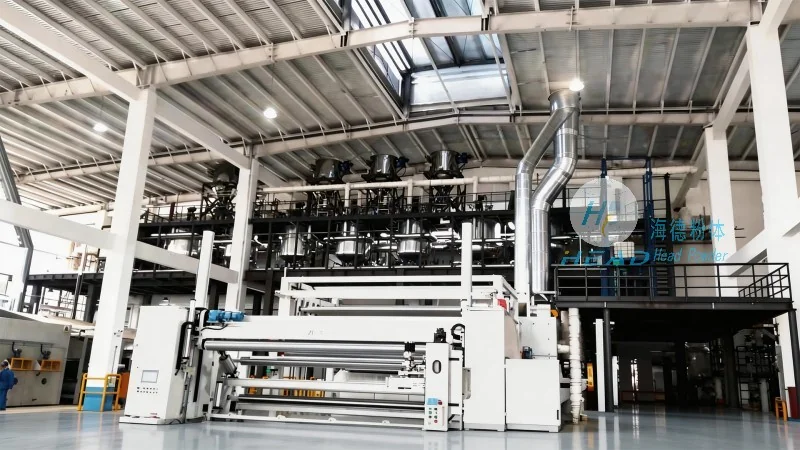
Advantages of Using Intermittent Powder Pneumatic Conveyors
Intermittent powder pneumatic conveyors offer several advantages over other material handling methods. One of the primary benefits is the ability to handle a wide range of powder characteristics, including fine powders, cohesive materials, and those prone to degradation. The enclosed system prevents contamination from external sources and minimizes exposure to air, which is crucial for products like pharmaceuticals or food. Additionally, the system reduces product degradation by minimizing friction and heat generation during transport. The batch operation allows for precise control over the amount of material conveyed, which is essential for applications requiring exact dosing or batch processing. Another advantage is the flexibility of the system, as it can be easily integrated with other processing equipment, such as mixers or reactors. The system's compact design also makes it suitable for installations with limited space, and the low maintenance requirements contribute to long-term cost savings. Overall, the intermittent powder pneumatic conveyor is a reliable and efficient solution for transporting bulk powders in various industrial settings.
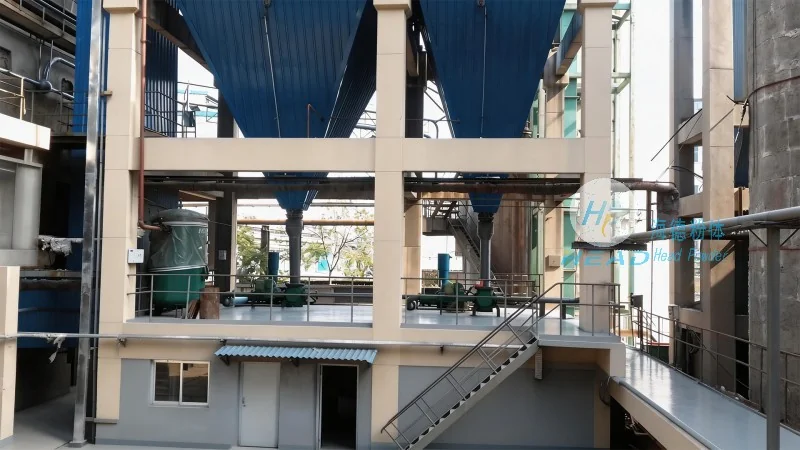
Applications and Industries Served by Intermittent Powder Pneumatic Conveyors
Intermittent powder pneumatic conveyors are widely used in various industries due to their versatility and efficiency. In the pharmaceutical industry, these systems are used to transport active pharmaceutical ingredients (APIs) and excipients, ensuring that the materials are handled in a sterile and controlled environment. The food processing industry utilizes them for conveying ingredients like flour, sugar, and spices, maintaining product quality and preventing contamination. The chemical industry benefits from the system's ability to handle corrosive or hazardous materials, with designs that include explosion-proof features to ensure safety. Additionally, the system is used in the agricultural sector for transporting fertilizers and feed additives, and in the mining industry for conveying bulk materials like ore and coal. The ability to handle different powder types and maintain consistent flow rates makes the intermittent powder pneumatic conveyor a preferred choice for industries that require precise and reliable material transport.
Conclusion: The Role of Intermittent Powder Pneumatic Conveyors in Modern Material Handling
Intermittent powder pneumatic conveyors play a crucial role in modern material handling, offering a reliable and efficient solution for transporting bulk powders. The design principles and components of these systems are tailored to handle a wide range of material characteristics, ensuring consistent performance and minimal product degradation. The batch operation allows for precise control over the amount of material conveyed, making them ideal for applications requiring exact dosing or batch processing. With their ability to handle different industries and materials, these conveyors have become an essential part of many industrial processes. As technology advances, the design and functionality of intermittent powder pneumatic conveyors continue to improve, providing even more efficient and reliable solutions for material transport. The expertise of companies like Shandong HeadPowder Engineering Co., Ltd., based in Shandong, China, has contributed to the development and implementation of these systems, ensuring that they meet the specific needs of various industries. In conclusion, intermittent powder pneumatic conveyors are a vital component of modern material handling, offering a cost-effective and reliable solution for transporting bulk powders in various industrial applications.