

What is a Ternary Positive Electrode Material Powder Pneumatic Conveying Line? And What Are Its Desi
HeadPowder, a leading enterprise in the field of powder handling technology, specializes in the design and manufacturing of advanced pneumatic conveying systems. This article focuses on the ternary positive electrode material powder pneumatic conveying line, exploring its fundamental concepts and core design principles.
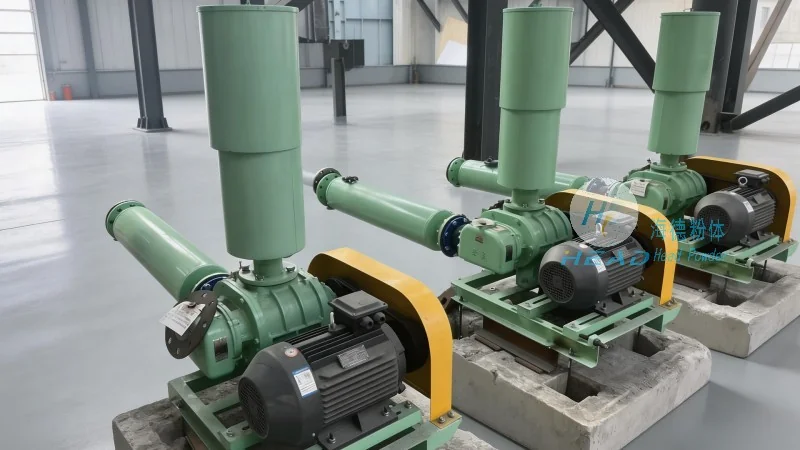
Introduction to Ternary Positive Electrode Material Powder Pneumatic Conveying Line
A ternary positive electrode material powder pneumatic conveying line is a specialized system engineered to transport fine powders, particularly those used in lithium-ion battery manufacturing—such as ternary positive electrode materials (e.g., NCM or NCA blends). These materials are characterized by their high reactivity, low bulk density, and sensitivity to moisture and contamination. The pneumatic conveying line utilizes air or gas as the conveying medium to move the powder from a source point to a destination point, ensuring efficient, dust-free, and controlled transport. This technology is critical in the battery production process, where precise handling of these materials is essential for maintaining product quality and safety.
Key Components of the Pneumatic Conveying System
The ternary positive electrode material powder pneumatic conveying line consists of several key components that work in tandem to achieve effective powder transport. These components include:
- Feeder: A device that feeds the powder from a storage silo or hopper into the conveying line at a controlled rate. The feeder ensures a consistent flow of material, preventing blockages and maintaining system efficiency.
- Pneumatic Conveying Pipe: The main pipeline through which the powder is transported. The pipe is typically made of stainless steel or other corrosion-resistant materials to handle the reactive nature of the ternary materials. The design of the pipe, including its diameter and length, is optimized to minimize pressure drop and ensure smooth material flow.
- Compressor or Blower: The power source that generates the air or gas flow required to move the powder. The compressor or blower provides the necessary pressure and volume to overcome resistance in the pipe and lift the powder particles.
- Control Valves: Used to regulate the flow of air and powder, ensuring precise control over the conveying process. These valves can adjust the pressure and flow rate to match the specific requirements of the material being transported.
- Receiver: The destination vessel where the powder is deposited. The receiver is designed to handle the incoming material without causing spillage or contamination, often equipped with dust collection systems to maintain a clean environment.
Design Principles for Efficient Powder Transport
The design of a ternary positive electrode material powder pneumatic conveying line is guided by several key principles to ensure optimal performance, safety, and reliability. These principles include:
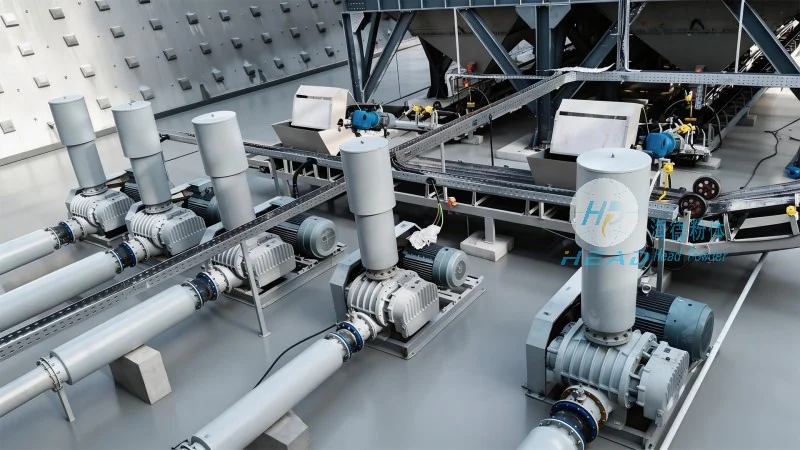
1. Material Compatibility: The system components must be compatible with the chemical and physical properties of the ternary positive electrode material. This includes selecting materials that are resistant to corrosion, chemical reactions, and wear caused by the powder. Stainless steel is commonly used for pipes and fittings due to its durability and resistance to the reactive nature of these materials.
2. Pressure Drop Management: The design aims to minimize pressure drop along the conveying line to reduce energy consumption and maintain consistent flow. This is achieved by optimizing pipe diameter, length, and the use of smooth, low-resistance components. Proper sizing of the compressor or blower is also critical to ensure sufficient pressure to overcome resistance and lift the powder.
3. Dust Control and Safety: Given the sensitivity of ternary materials to moisture and contamination, the system incorporates dust collection and filtration systems to prevent particle loss and maintain a clean environment. Additionally, safety features such as pressure relief valves and explosion-proof components are integrated to mitigate risks associated with the reactive nature of the material.
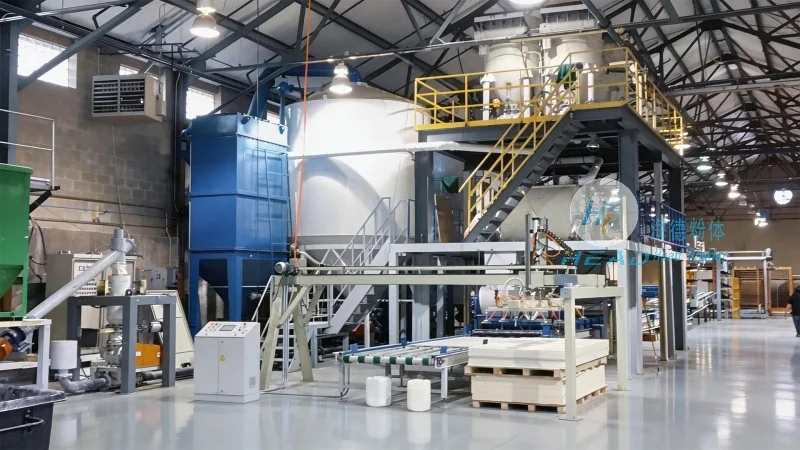
4. Scalability and Flexibility: The design allows for scalability, enabling the system to handle varying production volumes and material types. Modular components allow for easy adjustments and upgrades, ensuring the system can adapt to changing production needs over time.
Application in Battery Manufacturing
The ternary positive electrode material powder pneumatic conveying line plays a vital role in the lithium-ion battery manufacturing process. It ensures that the high-purity ternary materials are transported from raw material storage to the mixing and coating stages without degradation or contamination. The system's ability to handle fine powders with precision and control is essential for maintaining the quality and performance of the final battery products. By using pneumatic conveying, manufacturers can achieve higher throughput, reduce labor costs, and improve overall production efficiency.
Conclusion
HeadPowder, with its expertise in powder handling technology, provides advanced solutions for the transportation of ternary positive electrode materials. The design principles and components of the pneumatic conveying line are tailored to meet the specific requirements of battery manufacturers, ensuring efficient, safe, and reliable powder transport. As the demand for high-performance lithium-ion batteries grows, the importance of such specialized systems in maintaining product quality and production efficiency cannot be overstated.