

What is a Tonne Bag Dust-Free Feeding Station Material Pneumatic Conveying Equipment? What are its D
When it comes to industrial material handling, especially in sectors like pharmaceuticals, food processing, or high-purity manufacturing, maintaining a clean and efficient workflow is paramount. This is where specialized equipment like the tonne bag dust-free feeding station with material pneumatic conveying equipment comes into play. As a key component in modern processing facilities, this system is designed to handle bulk materials with precision, ensuring minimal contamination and optimal operational performance.
Understanding the Tonne Bag Dust-Free Feeding Station
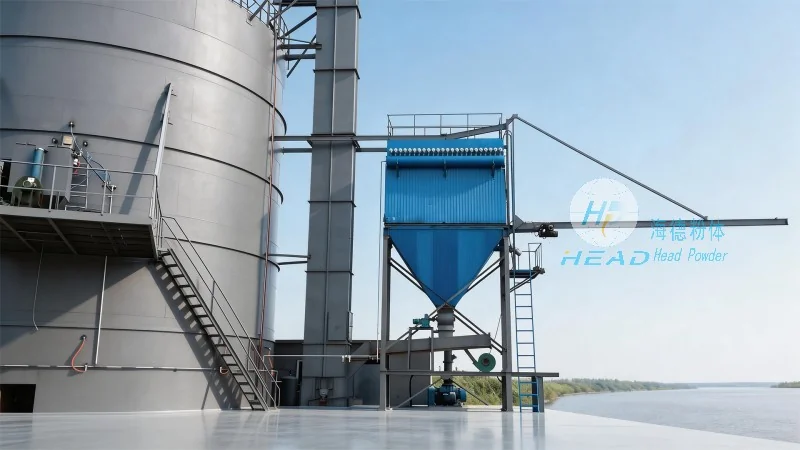
The tonne bag dust-free feeding station is a sophisticated system engineered to facilitate the safe and efficient transfer of bulk materials from large tonne bags into processing lines. At its core, this equipment integrates several critical components, including a dust extraction system, a feeding hopper, and a pneumatic conveying pipeline. The primary goal is to minimize dust generation during material transfer, which is crucial for maintaining a clean environment and adhering to stringent industry standards.
Key Components and Their Functions
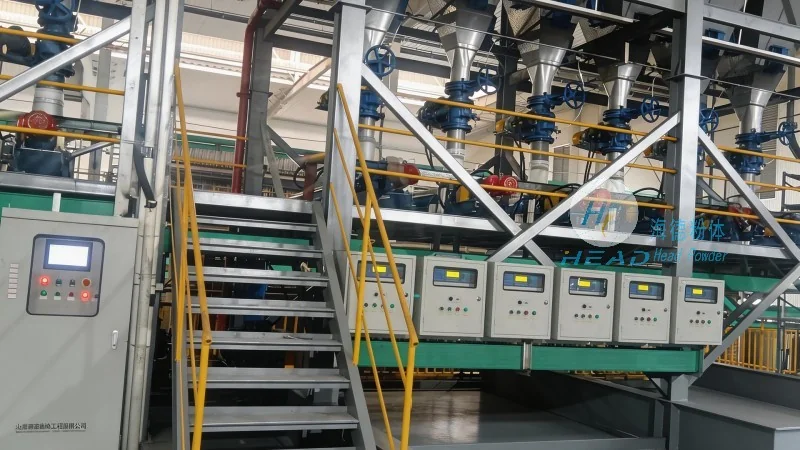
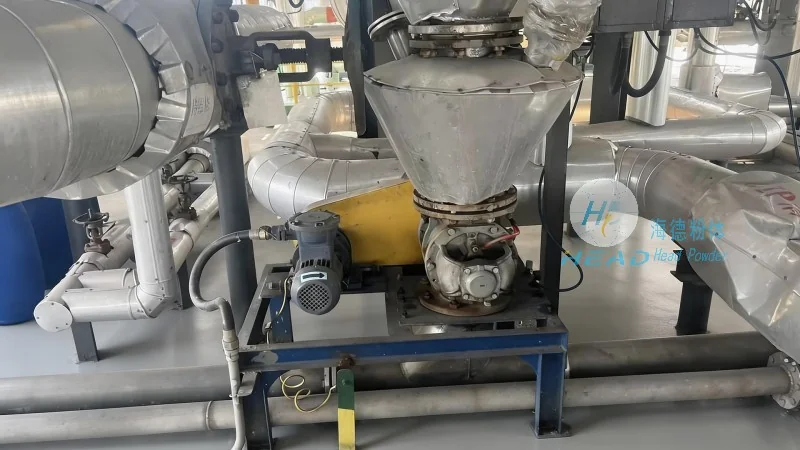
Several key components work in tandem to ensure the smooth operation of the tonne bag dust-free feeding station. The first is the dust extraction system, which is designed to capture and filter airborne particles, preventing them from escaping into the workspace. This system typically includes high-efficiency particulate air (HEPA) filters and a vacuum or pressure system to maintain a controlled environment. The feeding hopper, often equipped with a rotary valve or screw feeder, regulates the flow of material from the tonne bag into the conveying system. The pneumatic conveying pipeline, which may use either positive or negative pressure, transports the material from the hopper to the processing equipment. Additionally, the system may include a material separator or classifier to ensure that only the desired particles are conveyed, improving product quality.
Design Principles for Optimal Performance
The design of a tonne bag dust-free feeding station is guided by several fundamental principles aimed at maximizing efficiency, safety, and product integrity. One of the most critical principles is the minimization of dust generation. This is achieved through the use of sealed connections, enclosed hoppers, and efficient dust extraction mechanisms. The system is also designed to handle a wide range of materials, from fine powders to coarse granules, by adjusting the conveying velocity and pipeline diameter. Another key principle is the integration of safety features, such as emergency shut-off valves and pressure relief systems, to prevent accidents and ensure operator safety. The design also prioritizes ease of maintenance, with accessible components and clear operational indicators to facilitate regular upkeep.
Application in Industrial Settings
The tonne bag dust-free feeding station with material pneumatic conveying equipment is widely used in various industrial applications where bulk material handling is essential. In the pharmaceutical industry, for example, this system is used to transfer active pharmaceutical ingredients (APIs) or excipients with high purity requirements, ensuring that the final product meets strict regulatory standards. In the food processing industry, it is employed to handle ingredients like flour, sugar, or spices, maintaining food safety and quality. Similarly, in the chemical and chemical processing sectors, this equipment is used to transfer raw materials or intermediates, preventing contamination and ensuring consistent product quality. The versatility of the system makes it suitable for a wide range of applications, from small-scale batch processing to large-scale continuous production.
Benefits of Using This Equipment
Implementing a tonne bag dust-free feeding station with material pneumatic conveying equipment offers numerous benefits for industrial operations. One of the most significant advantages is the reduction in dust-related issues, which not only improves workplace safety but also reduces the risk of product contamination. The system enhances operational efficiency by automating the material transfer process, reducing the need for manual handling and minimizing downtime. Additionally, the precise control over material flow ensures consistent product quality, which is critical in industries where uniformity is essential. The equipment also contributes to cost savings by reducing material waste and minimizing the need for additional cleaning and maintenance procedures. Furthermore, the compact design of the system allows for easy integration into existing facilities, making it a practical solution for both new and retrofit applications.
Conclusion
In conclusion, the tonne bag dust-free feeding station with material pneumatic conveying equipment is a vital component in modern industrial material handling. Its design principles, which prioritize dust control, efficiency, and safety, make it an indispensable tool for industries that require high-purity and consistent material processing. By understanding the key components and design principles, businesses can make informed decisions about implementing this equipment to enhance their operational performance and product quality. As a leading provider in this field, Shandong HeadPowder Engineering Co., Ltd. specializes in designing and manufacturing such systems to meet the diverse needs of industrial clients, ensuring that their material handling processes are both efficient and compliant with industry standards.