

What is a Pulse Jet Dust Collector Pneumatic Conveying Equipment? What are its Design Principles?
For industrial applications requiring efficient material handling and air filtration, the pulse jet dust collector pneumatic conveying equipment emerges as a critical solution. This equipment integrates two essential functions: effective dust removal from industrial processes and the pneumatic transport of bulk materials. As a key component in many manufacturing and processing facilities, understanding its operation and design principles is vital for optimizing performance and ensuring operational efficiency.
Core Components and Working Principle
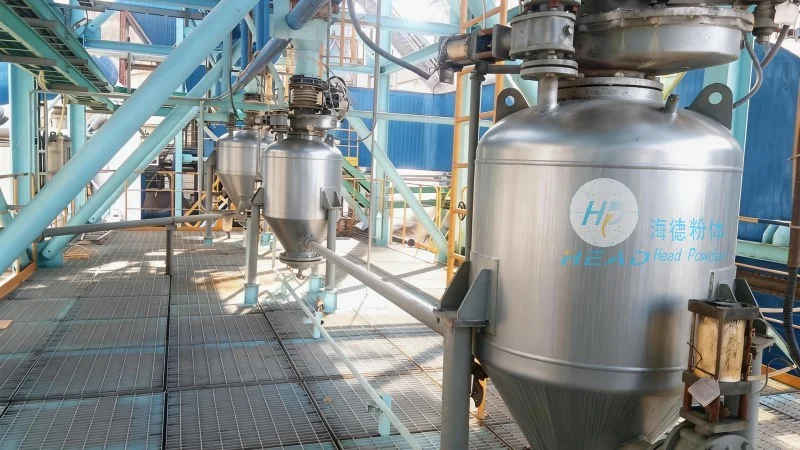
The pulse jet dust collector pneumatic conveying system comprises several key components, each playing a crucial role in its overall functionality. The primary components include the dust collector housing, filter bags, pulse jet valve, air compressor, and the conveying pipeline system. The dust collector is responsible for capturing and removing particulate matter from the air stream, while the pneumatic conveying system transports bulk materials from one location to another using compressed air.
The working principle of this equipment involves a cycle of filtration and material transport. During the filtration phase, air containing dust particles passes through the filter bags, where the particles are trapped. Over time, the filter bags accumulate dust, leading to increased pressure drop across the system. To maintain efficiency, the pulse jet valve periodically releases a short burst of high-pressure air into the filter bags, dislodging the accumulated dust and causing it to fall into the hopper below. This cleaning cycle ensures that the filter bags remain effective and the pressure drop remains low.
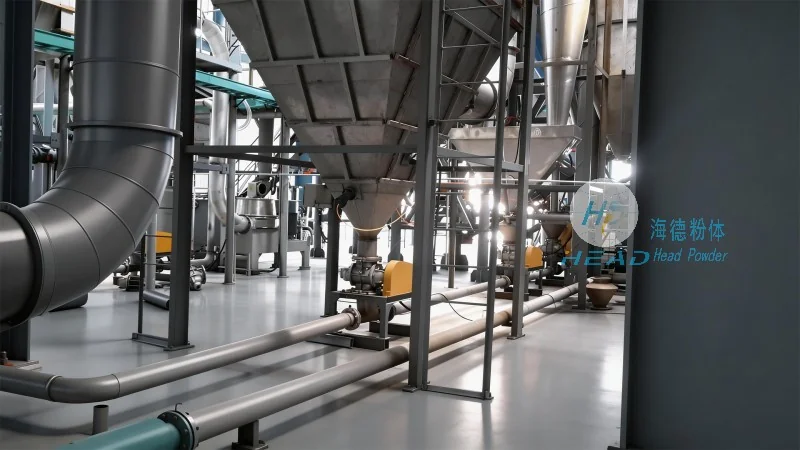
Simultaneously, the pneumatic conveying system operates by using compressed air to move bulk materials through the conveying pipeline. The material is introduced into the system at the inlet, and the compressed air propels it through the pipeline to the discharge point. The design of the conveying pipeline, including the use of bends, expansions, and contractions, is carefully engineered to minimize material degradation and ensure smooth transport. The integration of the dust collector with the pneumatic conveying system allows for a closed-loop process, where the collected dust can be recycled or disposed of, and the conveyed material can be delivered to its intended destination without the need for manual handling.
Design Principles for Optimal Performance
The design of a pulse jet dust collector pneumatic conveying equipment is based on several key principles to ensure high efficiency, reliability, and durability. One of the primary design considerations is the selection of appropriate filter media for the dust collector. The filter bags must be able to capture the specific size and type of particles present in the process air while withstanding the high temperatures and pressures associated with industrial operations. Materials such as polyester or polypropylene are commonly used due to their strength, chemical resistance, and ability to handle high dust loads.
Another critical design principle is the optimization of the pulse jet cleaning cycle. The frequency and duration of the pulse jets are carefully calibrated to ensure that the filter bags are cleaned effectively without causing excessive pressure drops or damaging the filter media. The design of the pulse jet valve, including its size and the pressure of the cleaning air, is also crucial. A properly designed valve can deliver the necessary cleaning force to dislodge dust while minimizing energy consumption.
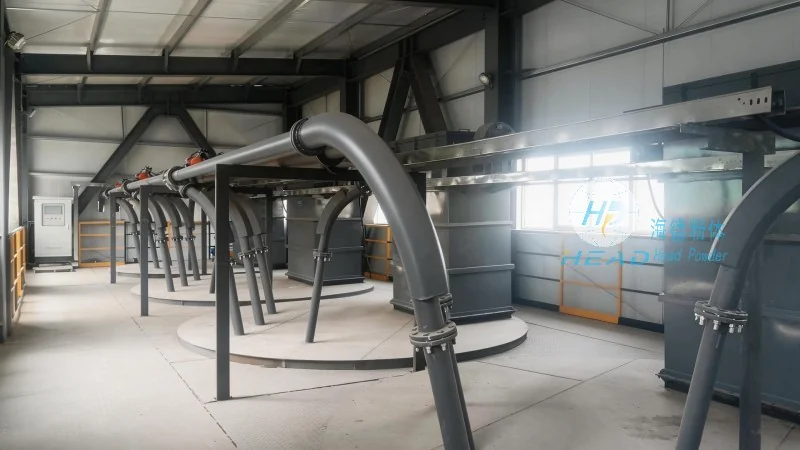
The pneumatic conveying system's design also follows specific principles to ensure efficient material transport. The velocity of the air in the pipeline is a key factor, as it must be high enough to overcome the friction losses and lift the material but not so high as to cause excessive wear on the pipeline or degrade the material being conveyed. The use of appropriate pipeline materials, such as stainless steel or PVC, is essential to prevent corrosion and material buildup. Additionally, the inclusion of features like expansion joints and bends with smooth transitions helps to reduce pressure losses and maintain the material's integrity.
Applications and Benefits
Pulse jet dust collector pneumatic conveying equipment is widely used in various industrial sectors, including cement, chemical, food processing, and mining. Its ability to handle a wide range of materials, from fine powders to bulk solids, makes it suitable for diverse applications. The primary benefits of this equipment include improved air quality, reduced maintenance costs, and enhanced material handling efficiency. By integrating dust collection and material transport, the system reduces the need for separate equipment and minimizes the space required for installation.
For example, in cement production, the equipment is used to convey raw materials and collect dust from the grinding process. In the chemical industry, it can handle hazardous powders while ensuring safe and efficient transport. The food processing sector benefits from the equipment's ability to handle food-grade materials without contamination. The mining industry uses it to transport ore and collect dust from crushing and grinding operations. The versatility and efficiency of the pulse jet dust collector pneumatic conveying equipment make it a preferred choice for many industrial applications.
Company Information: Shandong HeadPowder Engineering Co., Ltd.
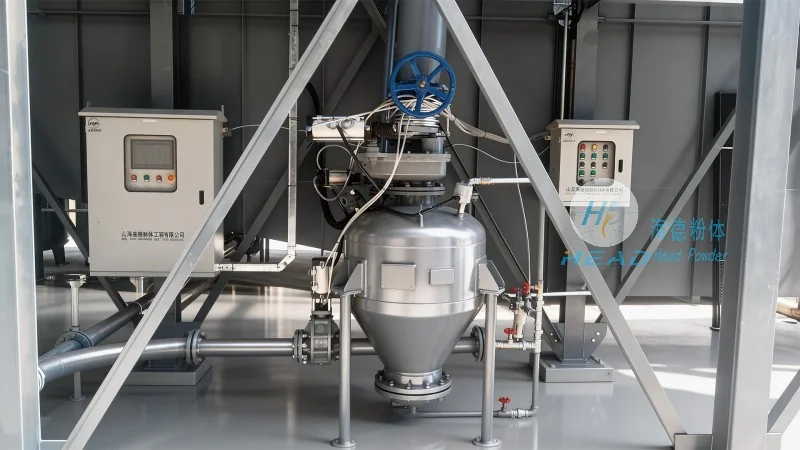
Shandong HeadPowder Engineering Co., Ltd. is a leading manufacturer and supplier of industrial equipment, specializing in the design and production of pulse jet dust collector pneumatic conveying systems. With a strong commitment to quality and innovation, the company has established itself as a trusted partner for businesses seeking reliable and efficient material handling solutions. HeadPowder's products are engineered to meet the specific needs of various industries, ensuring optimal performance and durability.
HeadPowder is located in Shandong, China, and has a team of experienced engineers and technicians dedicated to providing customized solutions for its clients. The company adheres to strict quality control standards, ensuring that all products meet international specifications and industry requirements. With a focus on customer satisfaction and long-term partnerships, HeadPowder continues to be a leader in the field of industrial equipment manufacturing.