

What is a Powdered Electrolyte Material Pneumatic Conveying System? What Are Its Design Principles?
Pneumatic conveying systems are essential for transporting powdered materials, especially in industries dealing with electrolytes. A powdered electrolyte material pneumatic conveying system efficiently moves these fine particles from one location to another using air or gas as the conveying medium. This technology is widely used in various sectors, including battery manufacturing, chemical processing, and material handling, where precise and reliable transport of electrolyte powders is critical.
Understanding the Core Components of the System
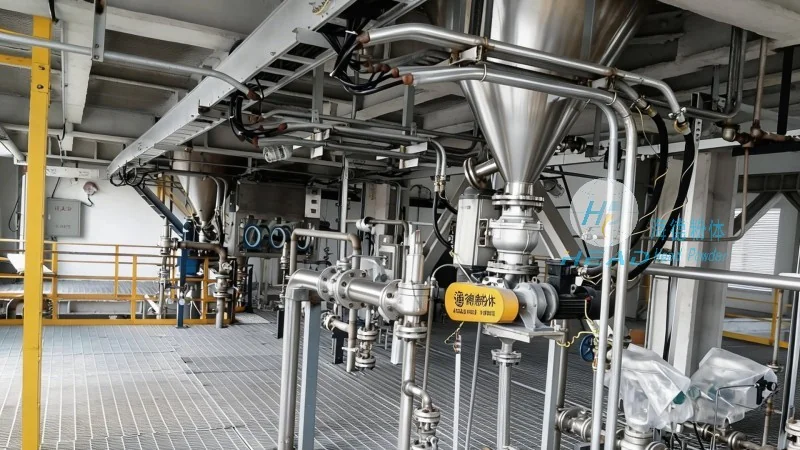
The headpowder system, as a leading provider in the field, incorporates several key components that ensure optimal performance. These include the hopper for material storage, the conveyor pipeline that transports the powder, and the air compressor or blower that generates the necessary air pressure. Each component plays a vital role in maintaining the system's efficiency and safety. The hopper is designed to hold the electrolyte powder securely, preventing spillage and ensuring a consistent feed. The pipeline, often made of stainless steel or other corrosion-resistant materials, is engineered to handle the abrasive nature of the powder and maintain air tightness. The air compressor provides the force needed to move the powder through the system, with adjustable pressure settings to accommodate different material properties and conveying distances.
Design Principles for Efficient Pneumatic Conveying
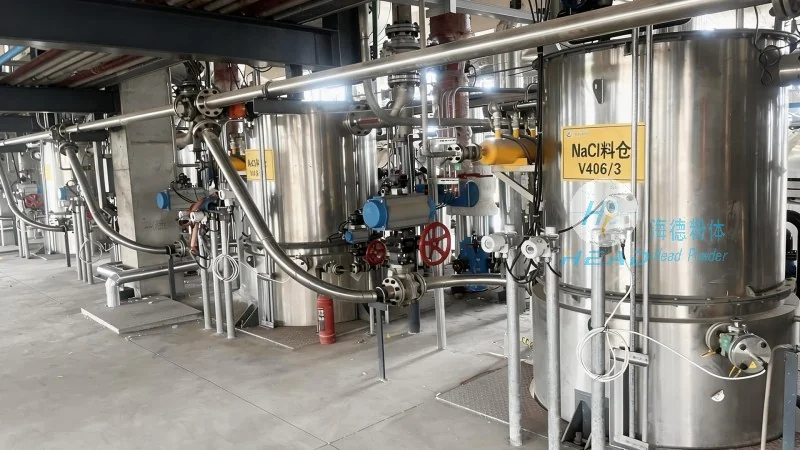
The design principles of a powdered electrolyte material pneumatic conveying system focus on maximizing efficiency, minimizing material degradation, and ensuring operational safety. One of the primary principles is the selection of appropriate air velocity. The air velocity must be high enough to lift and transport the powder particles but low enough to prevent excessive wear on the system components and to avoid dust generation. The system's design also considers the particle size and density of the electrolyte powder, as these factors influence the required air pressure and velocity. For example, finer particles may require higher air velocities to maintain suspension, while larger particles might need lower velocities to prevent blockages. Additionally, the system incorporates features such as pulse-jet or rotary airlock valves to control the flow of powder and prevent backflow, ensuring smooth and continuous operation.
Advantages of Using a Pneumatic Conveying System for Electrolyte Powders
Implementing a pneumatic conveying system for powdered electrolytes offers several advantages over traditional methods like belt conveyors or manual handling. Firstly, it provides a closed system, which is crucial for maintaining the purity of the electrolyte powder and preventing contamination from external sources. This is particularly important in battery manufacturing, where even trace impurities can affect the performance of the final product. Secondly, the system enhances safety by eliminating the need for manual handling of fine powders, reducing the risk of dust explosions and respiratory hazards. Thirdly, it improves operational efficiency by automating the material transport process, reducing labor costs and increasing throughput. The system's flexibility also allows for easy integration with other production lines, enabling seamless material flow from storage to processing units.
Application Scenarios and Industry Impact
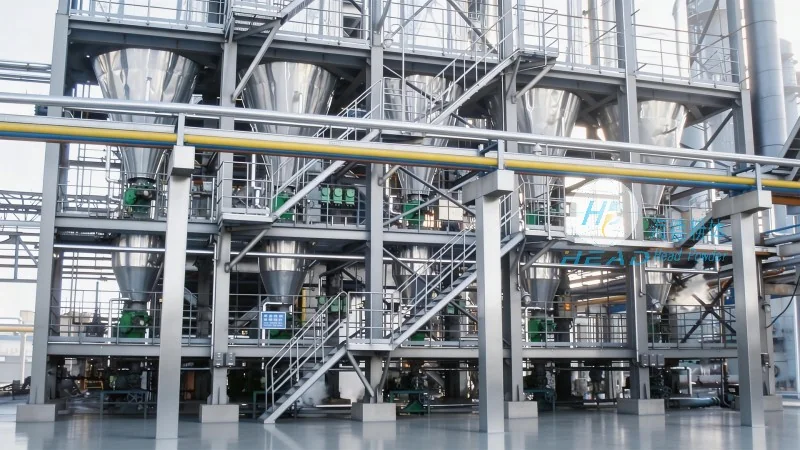
Powdered electrolyte material pneumatic conveying systems are widely applied in various industries. In the battery sector, these systems are used to transport lithium, manganese, and other electrolyte components to the production lines, ensuring consistent quality and reducing downtime. In chemical processing, they facilitate the transport of catalysts and other fine chemicals, supporting continuous production processes. The system's adaptability also makes it suitable for research and development laboratories, where precise handling of small quantities of electrolyte powders is required. By improving material handling efficiency and safety, these systems contribute to overall operational excellence and cost reduction in the industries they serve.