

What is the Calcium Carbide Purification Ash Pneumatic Conveying System? And What Are Its Design Pri
The calcium carbide purification ash pneumatic conveying system is a specialized industrial solution designed to handle and transport the ash generated during the purification process of calcium carbide. This system is crucial for efficient material handling in chemical and industrial applications, ensuring that the ash is moved from one location to another with minimal loss and maximum safety. As a key component in the production line, it integrates advanced pneumatic conveying technology to address the unique challenges posed by calcium carbide ash, such as its fine particle size and potential reactivity.
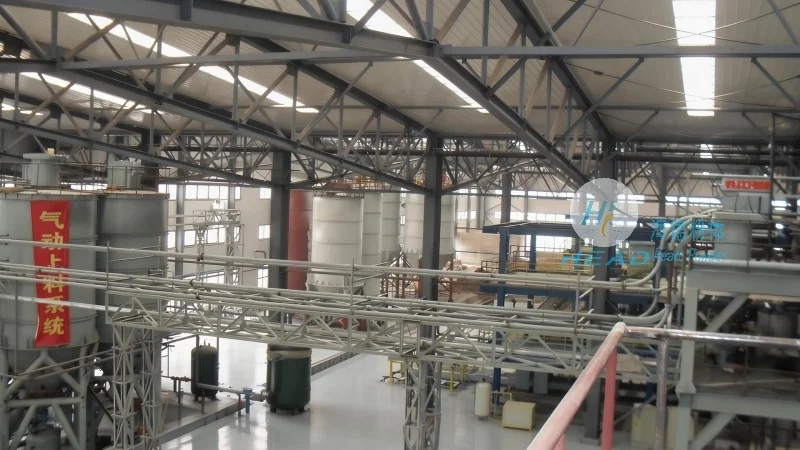
Key Components of the Pneumatic Conveying System
The system typically consists of several core components that work in tandem to achieve effective material transport. These include a hopper or feeder for initial material storage and feeding, a blower or air compressor to generate the necessary air pressure, a pipeline network to guide the material flow, and a receiver or discharge unit for the final delivery of the ash. Each component is carefully selected and designed to meet the specific requirements of calcium carbide ash, ensuring optimal performance and reliability.
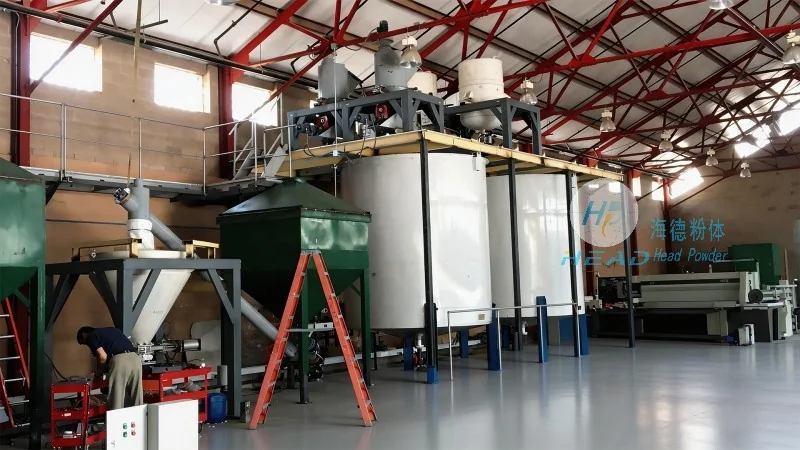
Design Principles and Operational Mechanism
The design principles of the pneumatic conveying system are centered on the efficient transfer of fine particulate materials using air as the conveying medium. The system operates on the principle of creating a pressure differential within the pipeline. The blower generates high-pressure air, which is introduced into the pipeline and then into the material hopper. As the air flows through the material, it lifts and carries the ash particles along the pipeline to the receiving end. The velocity of the air and the particle size are critical factors that determine the system's efficiency and capacity. Proper design ensures that the air velocity is sufficient to overcome the gravitational forces acting on the particles while minimizing energy consumption.
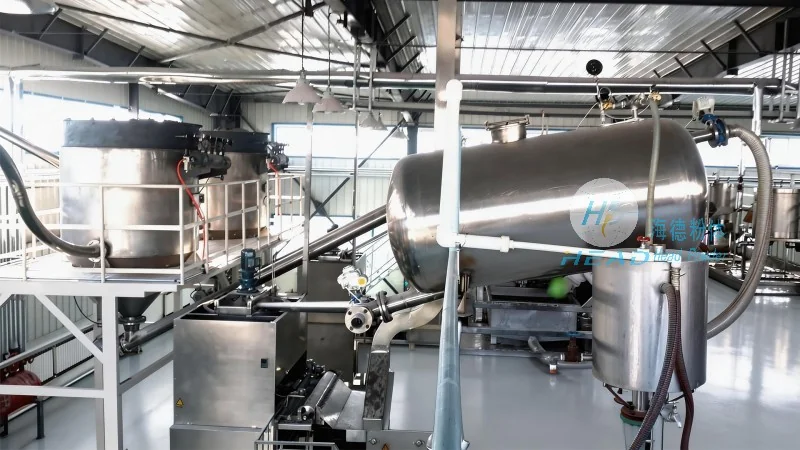
Advantages of the Pneumatic Conveying System for Calcium Carbide Ash
Implementing a pneumatic conveying system for calcium carbide ash offers several significant advantages over traditional methods like belt conveyors or manual handling. Firstly, it eliminates the need for mechanical contact with the material, reducing the risk of contamination and ensuring product purity. Secondly, the system provides a closed-loop operation, which helps in controlling dust emissions and maintaining a clean working environment. Thirdly, it allows for flexible and scalable material transport, as the pipeline can be easily reconfigured or extended to accommodate changes in production volume or layout. Additionally, the system is energy-efficient compared to other bulk material handling solutions, leading to lower operational costs over time.
Application and Integration in Industrial Settings
In industrial settings, the calcium carbide purification ash pneumatic conveying system is often integrated into the overall production process of calcium carbide plants. It is typically located downstream of the purification reactors, where the ash is generated. The system connects the reactors to storage silos or disposal facilities, ensuring a continuous and unobstructed flow of material. The design of the system is tailored to the specific layout of the plant, taking into account factors such as the distance between the reactor and the storage area, the height of the transfer, and the required throughput. Proper integration with other equipment, such as dust collectors and filtration systems, is also essential to maintain air quality and comply with environmental regulations.
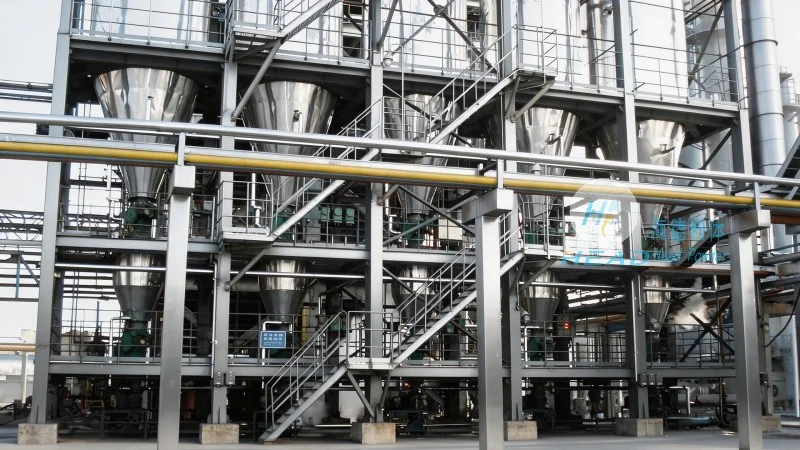
Maintenance and Operational Considerations
To ensure the long-term reliability and efficiency of the pneumatic conveying system, regular maintenance is crucial. This includes checking the air compressor and blower for proper operation, inspecting the pipeline for blockages or leaks, and cleaning the hopper and receiver to prevent material buildup. The system's performance should be monitored regularly, with parameters such as air pressure, flow rate, and material velocity being tracked to identify any deviations from the optimal operating conditions. Proper maintenance not only extends the lifespan of the equipment but also minimizes downtime and operational costs. Additionally, training operators on the proper use and handling of the system is essential to prevent accidents and ensure safe operation.