

What is a Cement Clinker Material Pneumatic Conveying System? And What Are Its Design Principles?
Cement clinker, a critical raw material in cement production, requires efficient and reliable transport methods to move it from storage silos to processing facilities. A pneumatic conveying system offers a robust solution for this task, leveraging air pressure to transport bulk materials like clinker over long distances with minimal maintenance. This technology is essential for optimizing production lines in cement plants, ensuring consistent material flow and reducing downtime.
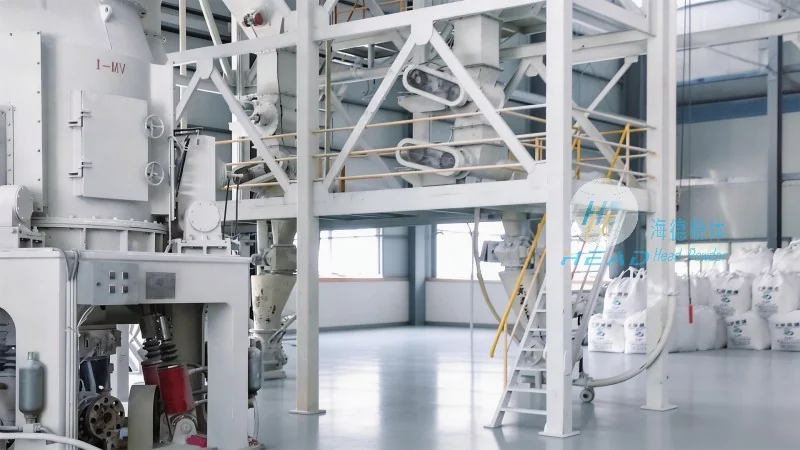
Understanding the Core Components of a Pneumatic Conveying System
A typical cement clinker pneumatic conveying system consists of several key components that work in tandem to achieve effective material transport. These include a hopper or feeder to introduce the clinker into the system, a conveying line (often a pipe or duct) that carries the material, a blower or air compressor that provides the necessary air pressure, and a receiver or silo where the clinker is deposited. Additionally, components like cyclones, filters, and control valves are integrated to manage dust, regulate airflow, and ensure smooth operation. Each component is designed to handle the specific properties of cement clinker, such as its density, particle size, and moisture content, to prevent blockages or system inefficiencies.
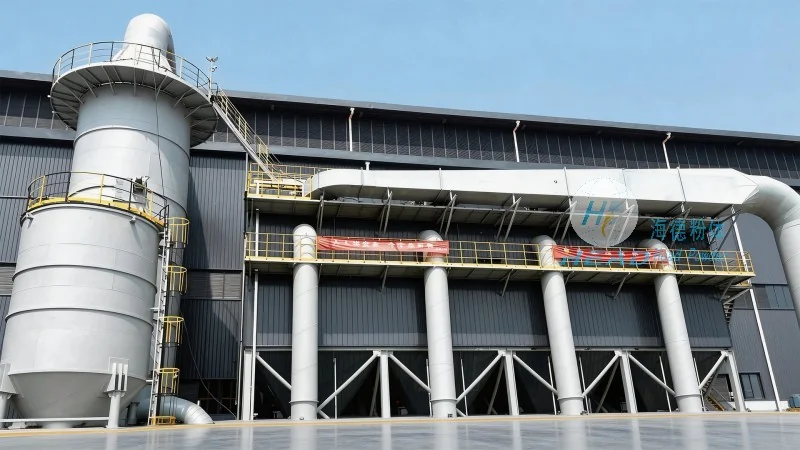
Design Principles for Efficient Cement Clinker Material Handling
The design of a pneumatic conveying system for cement clinker follows several fundamental principles aimed at maximizing efficiency and reliability. First, the system must be tailored to the specific characteristics of the material, including its flowability and abrasiveness. This involves selecting appropriate hopper designs to prevent material bridging and choosing duct materials that can withstand the abrasive nature of clinker. Second, the air velocity and pressure must be optimized to ensure that the clinker particles are fully entrained in the air stream without causing excessive wear on the system components. This balance is crucial for maintaining system performance over time. Third, the system layout should minimize the number of bends and changes in direction, as these can cause pressure losses and increase the risk of material deposition. Proper sizing of the conveying line and blower capacity is also critical to avoid under- or over-pressurization, which can lead to system inefficiencies or damage.
The Role of HeadPowder in Engineering Advanced Pneumatic Solutions
Shandong HeadPowder Engineering Co., Ltd., a leading provider of engineering solutions for bulk material handling, specializes in designing and manufacturing pneumatic conveying systems tailored to the needs of the cement industry. With years of experience in the field, HeadPowder has developed a deep understanding of the challenges associated with transporting cement clinker and has developed innovative solutions to address them. The company’s team of engineers works closely with clients to assess their specific requirements, from material properties to production capacity, and designs a system that meets their unique needs. HeadPowder’s commitment to quality and innovation ensures that their pneumatic conveying systems are not only efficient but also durable and reliable, providing long-term value to their clients. The company’s expertise in material handling technology, combined with its focus on customer satisfaction, makes it a trusted partner for cement plants seeking to improve their material transport processes.
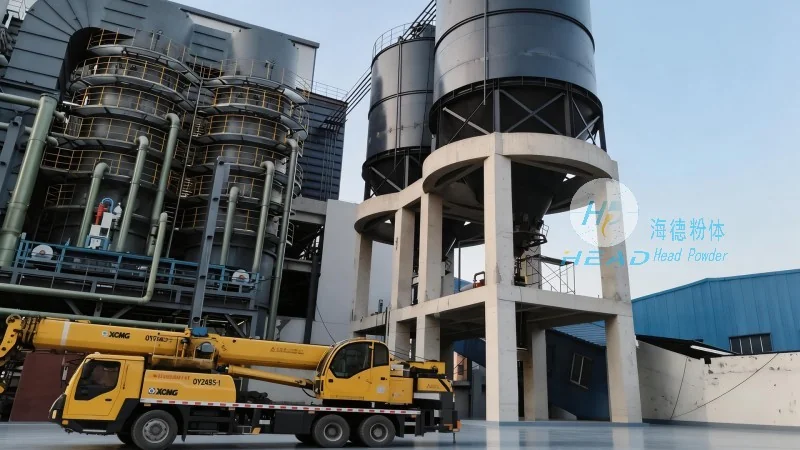
Key Features and Benefits of the System
The cement clinker pneumatic conveying system designed by HeadPowder offers several key features and benefits that make it an ideal solution for cement production facilities. One of the primary advantages is its ability to transport clinker over long distances with minimal energy consumption compared to traditional methods like belt conveyors. This reduces operational costs and environmental impact. Another benefit is the system’s ability to handle varying material flow rates, allowing for flexible production schedules. The system also features advanced control systems that monitor key parameters such as pressure, flow rate, and temperature, providing real-time feedback and enabling proactive maintenance. Additionally, the use of dust collection and filtration systems ensures that the operation is environmentally friendly and compliant with regulations. Overall, the system enhances productivity, reduces downtime, and improves the safety of material handling operations in cement plants.