

What is an Activated Carbon Powder Material Pneumatic Conveying System? What are the Design Principl
Activated carbon powder, a critical material in various industrial applications such as water treatment, air purification, and chemical processing, often requires efficient and reliable transportation methods. The pneumatic conveying system emerges as a sophisticated solution for handling these fine powders, offering advantages over traditional mechanical conveying methods. This article delves into the concept of an activated carbon powder material pneumatic conveying system, exploring its design principles and the technical aspects that make it a preferred choice in industrial settings.
Understanding Pneumatic Conveying Technology
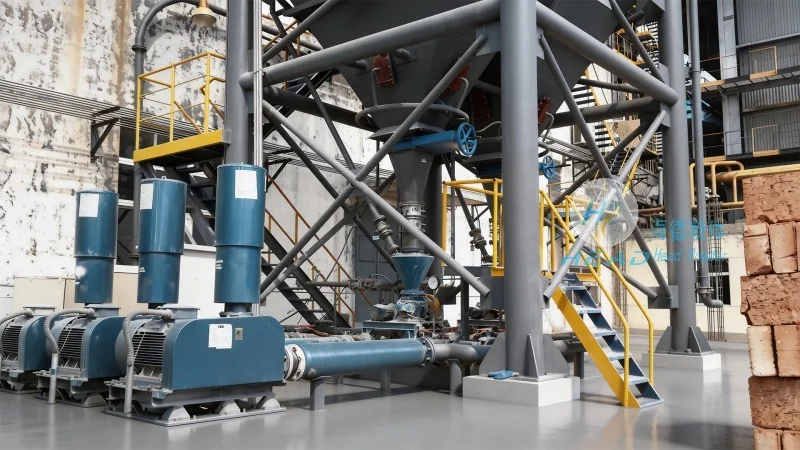
Pneumatic conveying systems utilize air or other gases to transport bulk materials through a pipeline network. Unlike mechanical systems that rely on belts, screws, or buckets, pneumatic systems operate by creating a pressure differential or using vacuum to move the material. For activated carbon powder, which is often fine and prone to dusting or caking, pneumatic conveying provides a dust-free, low-maintenance, and flexible solution. The system typically consists of a hopper, a feeder, a conveying line, and a receiver, all working in tandem to ensure smooth material flow.
Key Design Principles for Activated Carbon Powder Pneumatic Conveying
The design of an activated carbon powder pneumatic conveying system is governed by several critical principles aimed at optimizing performance, efficiency, and material integrity. First, the system must consider the physical properties of the activated carbon powder, including particle size, density, and moisture content. These factors influence the selection of the conveying method—whether it's a pressure or vacuum system. For example, pressure systems are suitable for short-distance conveying and can handle higher material loads, while vacuum systems are ideal for long-distance or low-volume applications.
Second, the system design must address the risk of material degradation or clogging. Activated carbon is a porous material that can absorb moisture and other contaminants, making it susceptible to clumping. Therefore, the system incorporates features like air filtration, moisture control, and inline mixers to maintain the powder's quality. The pipeline design, including the use of smooth, corrosion-resistant materials and appropriate bends and fittings, is also crucial to prevent particle buildup and ensure consistent flow.
Third, energy efficiency and operational costs are key considerations in system design. The selection of the air compressor, the pressure levels, and the system's layout all impact the overall energy consumption. Modern systems often employ variable frequency drives (VFDs) to adjust air flow and pressure dynamically, reducing energy waste during low-demand periods. Additionally, the use of efficient filters and regular maintenance schedules helps minimize downtime and operational expenses.
Components of an Activated Carbon Powder Pneumatic Conveying System
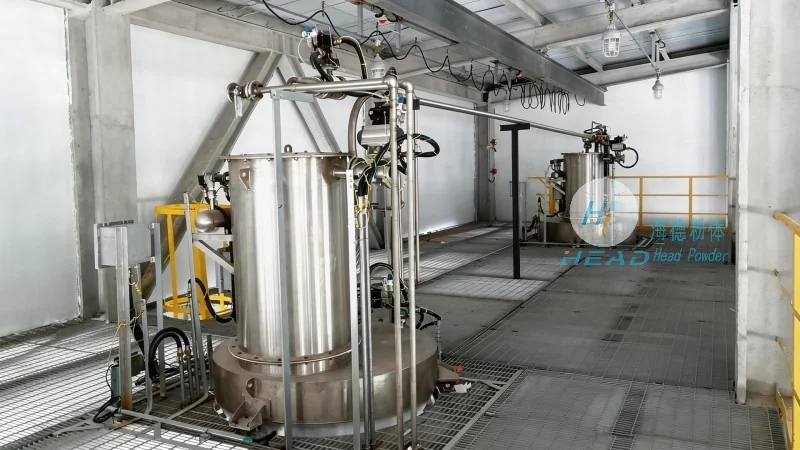
An activated carbon powder pneumatic conveying system comprises several essential components, each playing a vital role in the overall operation. The hopper serves as the storage container, holding the bulk of the activated carbon powder. It is typically equipped with a lid and a discharge valve to control the material flow into the feeder. The feeder, often a rotary valve or a screw feeder, regulates the amount of powder released into the conveying line, ensuring a consistent feed rate.
The conveying line is the core of the system, consisting of a series of pipes that transport the powder and air mixture. The choice of pipe material—such as stainless steel, PVC, or polyethylene—depends on the chemical compatibility of the activated carbon powder with the material. For activated carbon, which may contain acidic or basic components, stainless steel is commonly used to prevent corrosion. The line includes bends, elbows, and tees, which are designed with smooth transitions to minimize pressure loss and prevent particle separation.
The receiver is the final component, where the activated carbon powder is deposited. It is usually a hopper or a silo, equipped with a discharge mechanism to transfer the material to the next processing stage. The receiver may also include a dust collection system to capture any particles that escape during the conveying process, ensuring environmental compliance and product purity.
Advantages of Using Pneumatic Conveying for Activated Carbon Powder
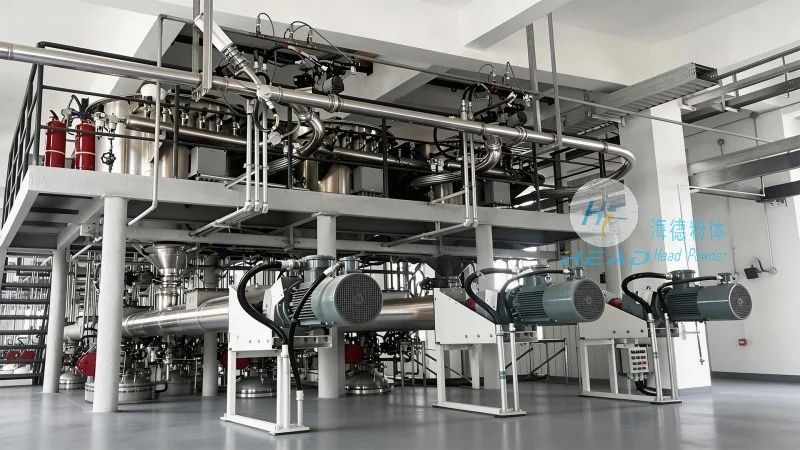
Compared to traditional conveying methods, pneumatic conveying offers several advantages for activated carbon powder. First, it provides a dust-free environment, which is critical for maintaining product quality and ensuring workplace safety. Unlike mechanical systems that can generate significant dust, pneumatic systems contain the material within the pipeline, reducing the risk of airborne contamination. Second, pneumatic conveying is highly flexible, allowing for changes in the system layout or material flow without major modifications. This adaptability is particularly valuable in industrial settings where production processes may evolve over time.
Third, the system is capable of handling fine powders without causing degradation or clogging. Activated carbon particles are often very small, and mechanical systems may cause them to break or agglomerate, reducing their effectiveness. Pneumatic systems, by contrast, use air to move the particles, preserving their size and structure. This is essential for applications where the surface area of the activated carbon is critical, such as in water treatment or air purification.
Fourth, pneumatic conveying is relatively low-maintenance compared to mechanical systems. Mechanical components like belts, screws, and buckets require regular lubrication and replacement, which can be time-consuming and costly. Pneumatic systems, on the other hand, have fewer moving parts and rely on air pressure, reducing the need for frequent maintenance. This leads to lower operational costs and increased system reliability.