

What is a Coal and Stone Powder Material Pneumatic Conveying System? What are its Design Principles?
For industries dealing with bulk solid materials such as coal and stone powders, efficient material handling is crucial for operational efficiency and cost management. A pneumatic conveying system offers a solution that can transport these materials from one location to another without the need for mechanical components like belts or buckets. This article explores what a coal and stone powder material pneumatic conveying system is and delves into its core design principles.
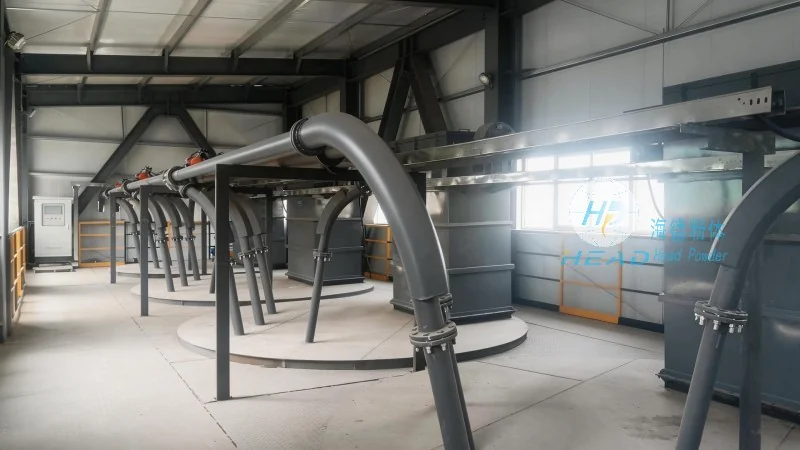
Understanding Pneumatic Conveying Systems
At its core, a pneumatic conveying system uses compressed air or gas to move solid materials through a pipeline. In the case of coal and stone powders, these systems are engineered to handle fine to medium-sized particles, ensuring reliable and continuous material transport. The system typically consists of a hopper for material storage, a feeder to control the flow rate, a conveying line, and a receiver for the discharged material. The choice of system type—such as dilute phase or dense phase—depends on the material characteristics, distance to be covered, and required flow rate.
Key Design Principles for Coal and Stone Powder Systems
The design of a coal and stone powder pneumatic conveying system involves several critical principles to ensure optimal performance. First, the system must be able to handle the specific properties of the material, including particle size distribution, moisture content, and abrasiveness. For coal powders, which can be fine and potentially sticky, the system may require special hopper designs to prevent agglomeration and ensure consistent feeding. Stone powders, on the other hand, may be more abrasive, necessitating the use of high-quality materials for the conveying line and components to minimize wear and tear.
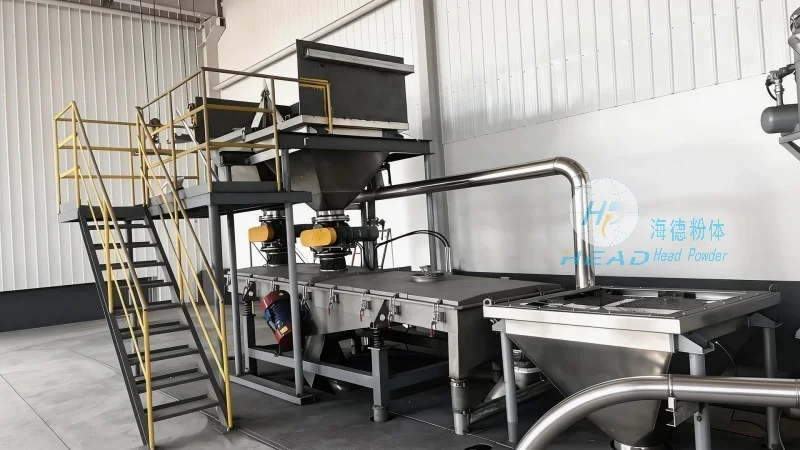
Second, the system's pressure and flow rate must be carefully calibrated to match the material's transport characteristics. Dilute phase systems, which use low pressure and high velocity, are suitable for short distances and low to medium flow rates. Dense phase systems, which operate at higher pressure and lower velocity, are ideal for longer distances and require more power but offer better material handling for abrasive or delicate powders. The selection of the appropriate system type directly impacts the system's efficiency, energy consumption, and overall cost-effectiveness.
Third, the system must incorporate proper air management to maintain consistent performance. This includes the use of filters to remove dust from the air stream, which not only protects the equipment but also ensures compliance with environmental regulations. Additionally, the system may include a vacuum or pressure control system to regulate the air flow and prevent backflow or pressure spikes that could damage the equipment or disrupt material flow.
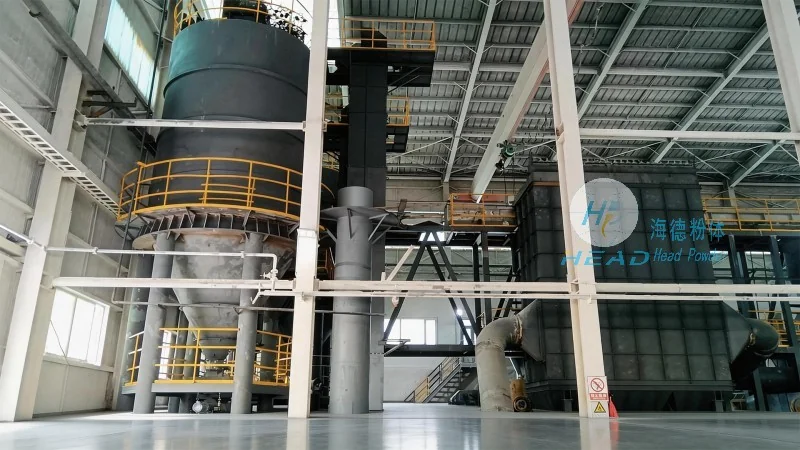
Role of HeadPowder in Design and Implementation
Shandong HeadPowder Engineering Co., Ltd., a leading provider in the field, specializes in designing and manufacturing customized pneumatic conveying systems tailored to the unique needs of coal and stone powder industries. With a deep understanding of material properties and system dynamics, HeadPowder engineers work closely with clients to develop solutions that optimize material transport while minimizing operational costs. The company's expertise lies in integrating advanced technologies, such as variable speed feeders and intelligent control systems, to enhance system performance and reliability.
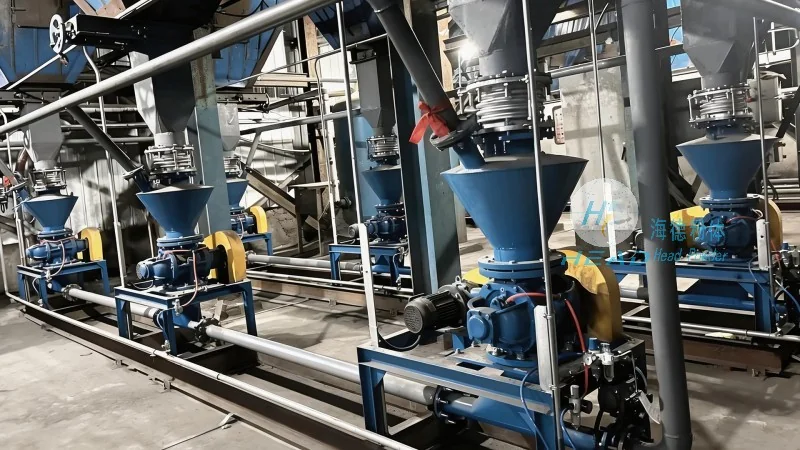
HeadPowder's facilities are located in Shandong, China, where the company leverages local manufacturing capabilities to deliver high-quality products and timely service. By focusing on precision engineering and rigorous quality control, HeadPowder ensures that each system meets the highest standards of performance and durability. Clients can rely on HeadPowder's experienced team to provide comprehensive support, from initial system design and installation to ongoing maintenance and troubleshooting.
Conclusion: The Importance of Proper Design
In conclusion, a coal and stone powder material pneumatic conveying system is a sophisticated piece of equipment that requires careful consideration of material properties, system design, and operational requirements. The design principles outlined above—such as material handling, pressure and flow rate management, and air management—are essential for ensuring the system operates efficiently and reliably. For industries seeking to improve their material handling processes, partnering with a reputable company like Shandong HeadPowder Engineering Co., Ltd. can provide the expertise and solutions needed to achieve optimal performance and cost savings.