

Working Principle and Features of Magnesium Oxide Powder Pneumatic Conveying Equipment
For industrial applications involving the transport of magnesium oxide powder, efficient and reliable pneumatic conveying systems are essential. This article provides an in-depth look at the working principle and key features of a specialized magnesium oxide powder pneumatic conveying machine, manufactured by Shandong HeadPowder Engineering Co., Ltd., a company based in Shandong, China.
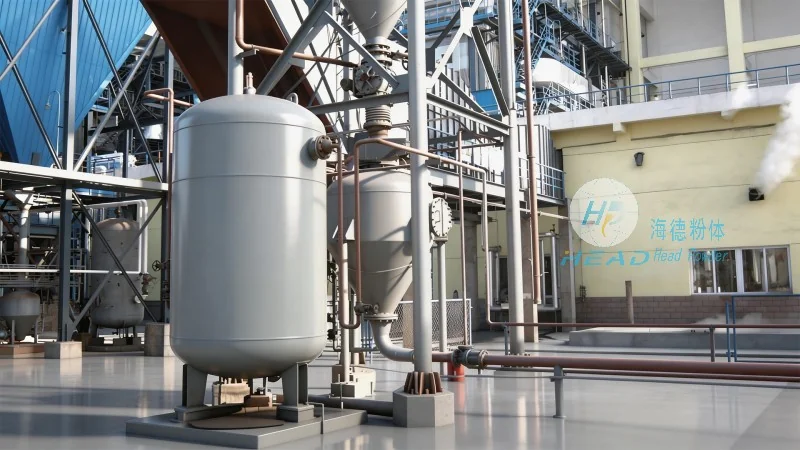
Introduction to Magnesium Oxide Powder Pneumatic Conveying Equipment
Magnesium oxide (MgO), also known as magnesia, is a white, odorless powder widely used in various industries, including construction, pharmaceuticals, and chemical manufacturing. Due to its fine particle size and light weight, traditional bulk handling methods such as belt conveyors or bucket elevators may not be suitable for transporting MgO powder without causing dust issues or material degradation. Pneumatic conveying equipment offers a solution by using air to move the powder through a closed system, ensuring minimal contamination and efficient transport.
Working Principle of the Equipment
The magnesium oxide powder pneumatic conveying machine operates on the principle of air-assisted transport. The system typically consists of several key components: a material feeder, a blower or compressor, a conveying pipeline, a separation unit, and a dust collector. The process begins with the magnesium oxide powder being fed into the system, usually via a rotary valve or a screw feeder that controls the flow rate. Simultaneously, the blower generates a high-pressure airflow that is introduced into the pipeline. As the air flows through the pipeline, it picks up the powder particles and carries them to the destination point, such as a storage silo or processing unit.
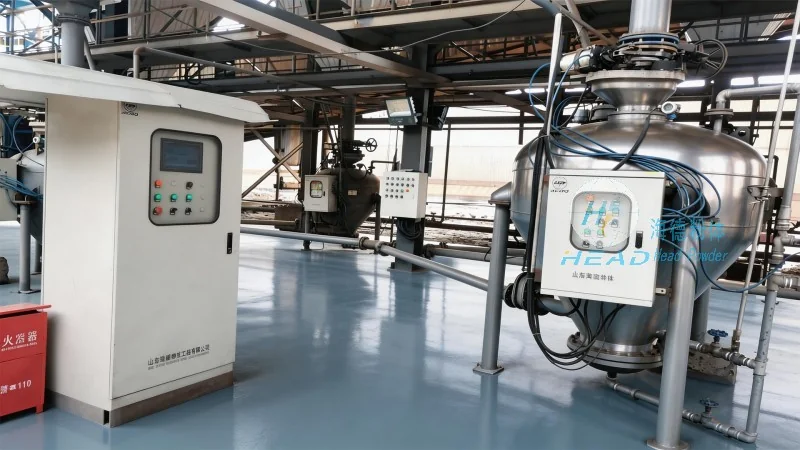
Upon reaching the end of the pipeline, the mixture of air and powder enters a separation unit. This unit, often a cyclone separator or a bag filter, uses centrifugal force or filtration to separate the powder from the air. The separated magnesium oxide powder is collected in a hopper or silo, while the clean air is either vented to the atmosphere or recirculated back into the system to improve energy efficiency. The entire process is controlled by a programmable logic controller (PLC) that monitors pressure, flow rate, and other parameters to ensure optimal operation.
Key Features and Advantages
The magnesium oxide powder pneumatic conveying equipment from Shandong HeadPowder Engineering Co., Ltd. is designed with several features that enhance its performance and reliability. One of the primary advantages is its ability to handle fine powders like magnesium oxide without causing excessive dust or clogging. The system's closed-loop design minimizes environmental impact by containing dust and preventing contamination of the surrounding air. Additionally, the equipment is equipped with adjustable speed controls, allowing operators to modify the conveying rate based on the specific requirements of the application, such as varying production volumes or material characteristics.
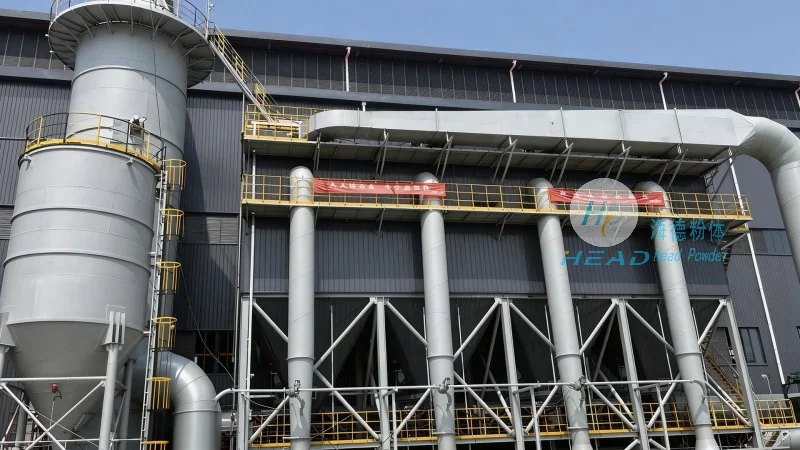
Another key feature is the system's energy efficiency. By using a recirculation mechanism, the blower can operate at lower pressures, reducing energy consumption compared to traditional positive pressure systems. This not only lowers operational costs but also extends the lifespan of the equipment by minimizing wear and tear on components. The machine is also built with durable materials, such as stainless steel or corrosion-resistant alloys, to withstand the chemical properties of magnesium oxide and prevent material degradation over time.
Technical Specifications and Application Scenarios
The pneumatic conveying system is engineered to handle a wide range of magnesium oxide powder characteristics, including different particle sizes, moisture content, and bulk densities. Typical technical specifications may include a conveying capacity ranging from 0.5 to 10 tons per hour, depending on the system size and configuration. The system operates at pressures between 0.5 to 2 bar, with adjustable airflow rates to accommodate varying material flow rates. The equipment is suitable for both short and long-distance transport, with the ability to handle horizontal, vertical, or combined horizontal-vertical pipelines.
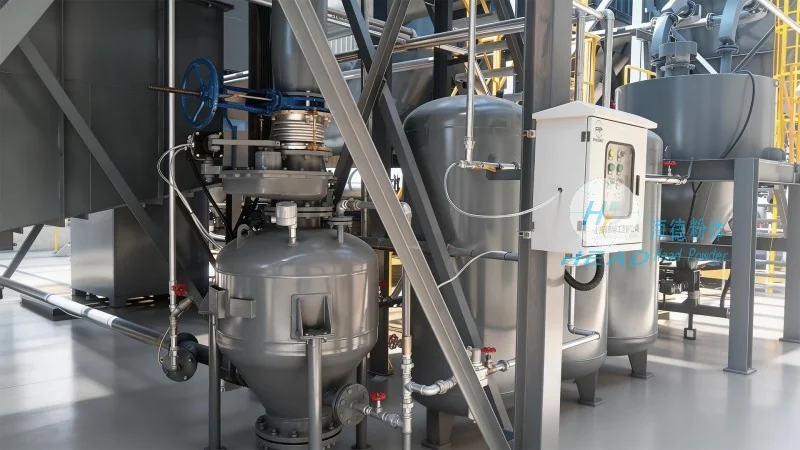
Common application scenarios for this equipment include transporting magnesium oxide from storage silos to production lines, moving it between different processing stages, or delivering it to packaging units. The system is particularly beneficial in industries where dust control is critical, such as pharmaceutical manufacturing, where contamination can affect product quality. Additionally, the equipment is used in construction material production, where magnesium oxide is used as a raw material for cement and other building materials, ensuring a clean and efficient supply chain.
Company Information and Contact Details
Shandong HeadPowder Engineering Co., Ltd. is a leading manufacturer of pneumatic conveying equipment specializing in handling fine powders like magnesium oxide. The company is based in Shandong, China, and has extensive experience in designing and manufacturing customized solutions for various industrial applications. With a focus on quality and reliability, HeadPowder provides comprehensive support, including installation, maintenance, and technical assistance, to ensure optimal performance of the equipment. For inquiries or more information about their magnesium oxide powder pneumatic conveying systems, interested parties can contact the company directly.