

Working Principle and Characteristics of Bone Powder Material Handling
For industries involved in bone powder processing, efficient material handling is crucial to ensure smooth production workflows and maintain product quality. Shandong HeadPowder Engineering Co., Ltd., a leading manufacturer based in Shandong, China, specializes in providing advanced solutions for bone powder material handling. This article explores the working principle and key characteristics of bone powder material handling systems, offering insights into how these technologies enhance operational efficiency.
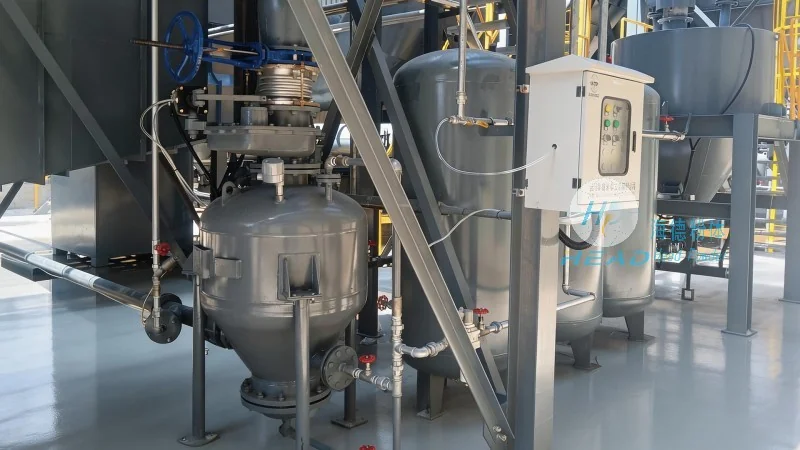
Working Principle of Bone Powder Material Conveying
Bone powder material handling typically relies on mechanical systems designed to transport bulk materials from one location to another within a processing facility. The core working principle involves the use of conveyor equipment, such as screw conveyors, belt conveyors, or pneumatic conveyors, which are engineered to handle the unique properties of bone powder. These systems operate by converting mechanical energy into motion, enabling the continuous movement of bone powder through pipelines or conveyor paths. The process generally starts with the intake of bone powder from a storage silo or hopper, where the material is fed into the conveyor system. As the conveyor rotates or moves, the bone powder is propelled forward, reaching the discharge point where it is collected for further processing or packaging. The working principle emphasizes precision and control to minimize material degradation and ensure consistent flow rates, which are critical for maintaining product integrity in bone powder applications.
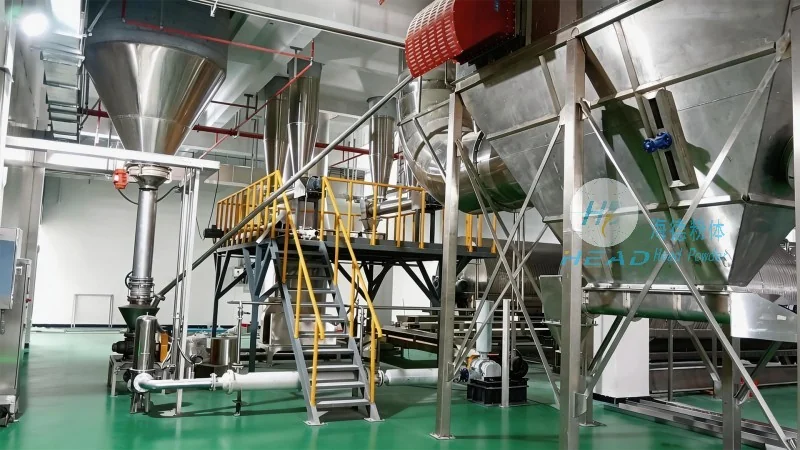
Key Characteristics of Bone Powder Material Handling Equipment
The characteristics of bone powder material handling equipment are tailored to address the specific challenges of handling fine, abrasive, and potentially hygroscopic bone powder. These systems are designed with features that enhance durability, efficiency, and safety. For instance, materials used in the construction of conveyor components, such as stainless steel or corrosion-resistant alloys, are chosen to withstand the abrasive nature of bone powder and prevent material buildup. Additionally, the design incorporates smooth surfaces and minimal dead zones to reduce the risk of clogging and ensure uniform material flow. Another important characteristic is the ability to handle varying particle sizes and moisture content, which is essential in bone powder processing where consistency is paramount. The equipment also prioritizes energy efficiency, with adjustable speed controls and optimized motor systems that reduce operational costs while maintaining performance. Furthermore, safety features like emergency stop mechanisms and protective guards are integrated to comply with industrial safety standards, ensuring a secure working environment for operators.
Technical Details and Operational Advantages
From a technical standpoint, bone powder material handling systems utilize advanced engineering principles to achieve optimal performance. Screw conveyors, for example, are widely used due to their ability to handle dry, free-flowing materials like bone powder without the need for external air or power sources for lifting. The helical screw rotates within a tube, pushing the material forward through positive displacement. This method ensures a consistent flow rate and minimal segregation of particles, which is vital for maintaining the quality of bone powder. Belt conveyors, on the other hand, are suitable for longer horizontal or inclined transport distances, offering high capacity and flexibility in layout. They are equipped with tensioning systems and idler rollers to maintain proper belt alignment and reduce wear. Pneumatic conveyors, while less common for bone powder due to the risk of dust explosion, are employed in certain applications where dust control is critical. These systems use compressed air to transport bone powder through flexible hoses or rigid pipes, providing a dust-free environment. The operational advantages of these systems include increased productivity, reduced labor costs, and improved safety compared to manual handling methods. By automating the material transport process, companies can achieve higher throughput and lower operational expenses, making bone powder material handling an essential component of modern processing facilities.
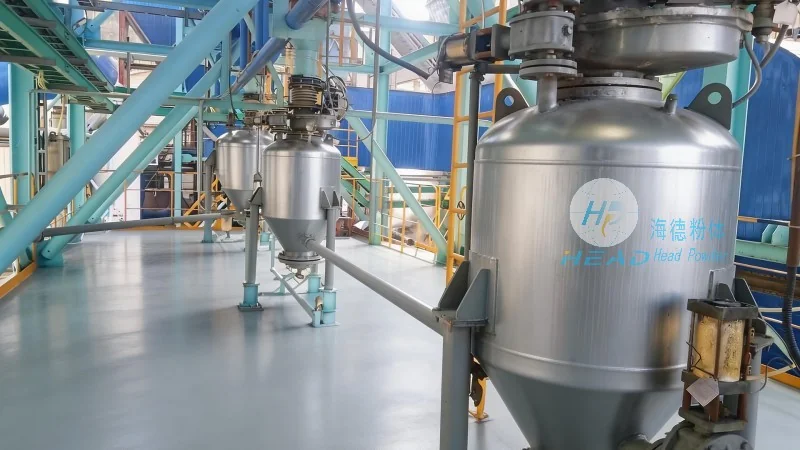
Application Scenarios and Practical Benefits
Bone powder material handling systems find applications across various industries, including animal feed production, pharmaceuticals, and food processing. In animal feed manufacturing, bone powder is often mixed with other ingredients to create balanced feed formulations. Efficient material handling ensures that bone powder is accurately measured and added to the mixing process, preventing variations in feed quality. In the pharmaceutical sector, bone powder is used as a raw material for supplements and nutraceuticals, where purity and consistency are non-negotiable. The handling systems help maintain these standards by minimizing contamination and ensuring uniform particle size distribution. Similarly, in the food industry, bone powder may be incorporated into pet food or human dietary supplements, requiring hygienic and reliable transport solutions. The practical benefits of using specialized bone powder handling equipment extend beyond operational efficiency. By reducing material loss and improving process control, companies can enhance product quality and meet regulatory requirements. Additionally, the automation of material handling reduces the risk of human error and workplace accidents, contributing to a safer working environment. Overall, the adoption of advanced bone powder material handling systems by Shandong HeadPowder Engineering Co., Ltd. reflects a commitment to providing reliable, efficient, and safe solutions for the bone powder processing industry.