

[WTTLE]Working Principle and Features of Phosphate Iron Material Handling
Phosphate iron material handling is a critical process in various industrial applications, particularly in the production and processing of phosphate iron compounds. Understanding its working principle and key features is essential for optimizing material flow and ensuring operational efficiency. This article provides a detailed overview of how phosphate iron material handling systems operate and the distinctive characteristics that make them effective in industrial settings.
Company Introduction
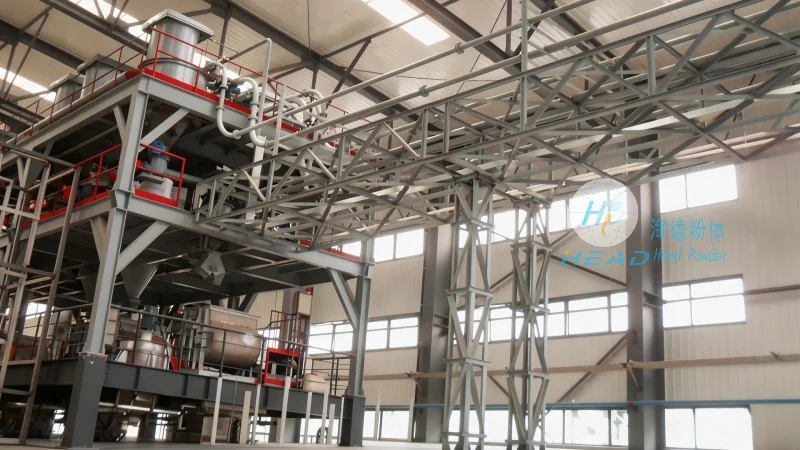
HeadPowder, or Shandong HeadPowder Engineering Co., Ltd., is a leading provider of specialized material handling solutions. With a focus on innovation and precision engineering, the company has established itself as a trusted partner in the industry. HeadPowder operates from China, Shandong, and specializes in designing and implementing efficient material handling systems tailored to the unique needs of its clients.
Working Principle of Phosphate Iron Material Handling
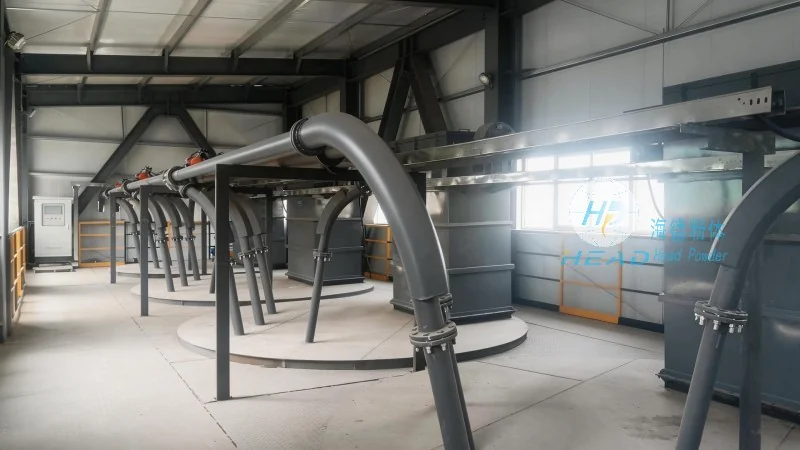
The working principle of phosphate iron material handling systems revolves around the efficient transport and processing of phosphate iron materials. These systems typically involve a combination of mechanical components and control mechanisms to ensure smooth material flow. The process begins with the loading of phosphate iron materials into the system, which may involve hoppers, feeders, or other loading equipment. Once loaded, the materials are conveyed through a series of components such as conveyors, elevators, or pneumatic systems. The control systems monitor the flow rate, speed, and direction of the material, ensuring that it moves efficiently from the source to the destination. This integrated approach allows for precise control over the material handling process, minimizing downtime and maximizing productivity.
Key Features of Phosphate Iron Material Handling Systems
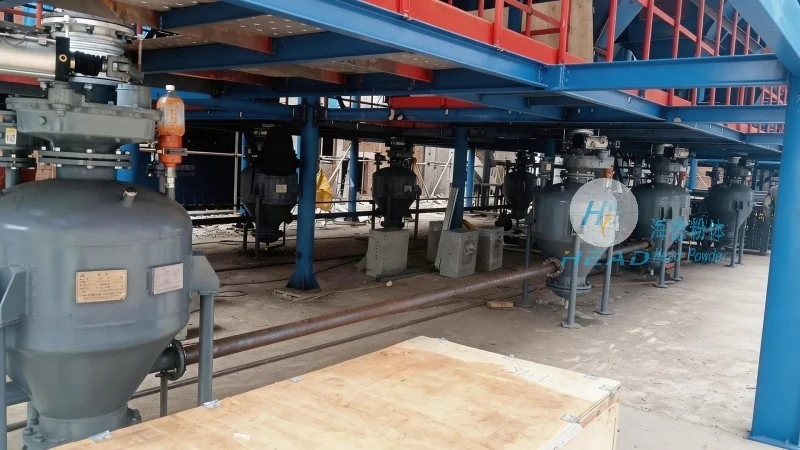
Phosphate iron material handling systems are characterized by several key features that enhance their performance and reliability. One of the primary features is the use of robust and durable equipment designed to withstand the abrasive nature of phosphate iron materials. This includes high-quality conveyor belts, metal components, and wear-resistant parts that reduce maintenance requirements and extend the lifespan of the system. Another important feature is the integration of advanced control technologies, such as sensors and automation systems, which enable real-time monitoring and adjustment of the material flow. This not only improves operational efficiency but also enhances safety by preventing overloading or other potential hazards. Additionally, the systems are designed for flexibility, allowing for easy integration with existing production lines and adaptability to changing production demands. The combination of these features makes phosphate iron material handling systems highly effective in industrial applications, ensuring consistent and reliable performance.
Conclusion
Phosphate iron material handling systems, as exemplified by the solutions offered by Shandong HeadPowder Engineering Co., Ltd., represent a sophisticated approach to material transport and processing. By understanding the working principle and leveraging the key features of these systems, industries can achieve improved operational efficiency, reduced downtime, and enhanced safety. The expertise and engineering capabilities of HeadPowder ensure that their material handling solutions are tailored to meet the specific requirements of each client, providing a reliable and effective solution for phosphate iron material handling needs.