

Working Principle and Characteristics of Desulfurization and Denitrification Agent Material Handling
Desulfurization and denitrification agents are critical components in industrial processes aimed at reducing sulfur dioxide (SO₂) and nitrogen oxides (NOₓ) emissions. The efficient handling and transportation of these agents are essential for maintaining optimal performance in pollution control systems. This article explores the working principles and key characteristics of material handling systems designed for desulfurization and denitrification agents, highlighting how these systems contribute to effective environmental management.
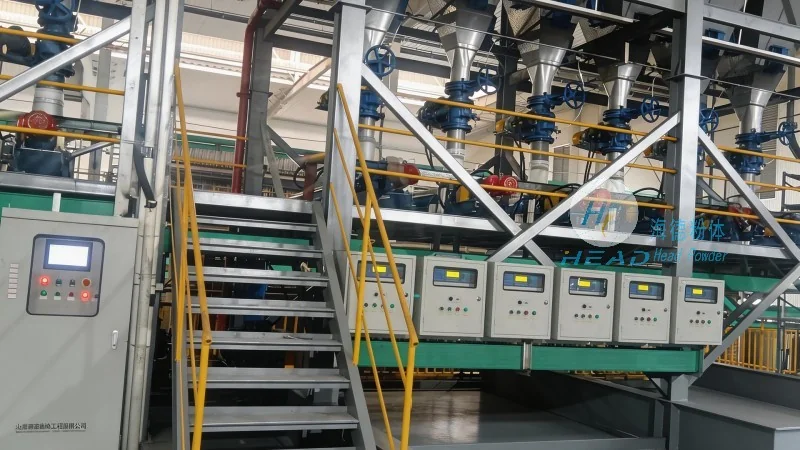
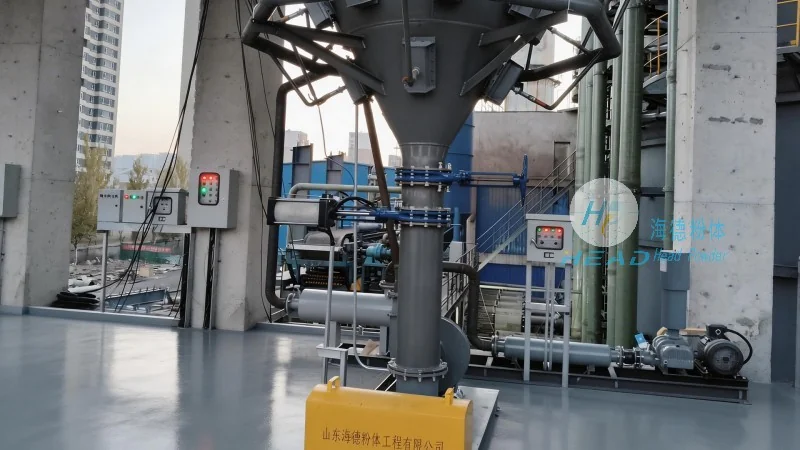
Working Principle of Material Handling for Desulfurization and Denitrification Agents
The material handling process for desulfurization and denitrification agents typically involves several key steps, each designed to ensure safe and efficient transfer of the chemical agents. The system begins with the storage of the agents in bulk containers, such as silos or tanks, where they are kept under controlled conditions to prevent degradation or contamination. From the storage units, the agents are transferred to the processing equipment via a network of pipelines, conveyor systems, or pneumatic conveying lines. This transfer is often facilitated by pumps, blowers, or screw conveyors, depending on the physical properties of the agent (e.g., solid, liquid, or slurry form). The entire process is regulated by a control system that monitors flow rates, pressure, and temperature to maintain consistent performance and prevent operational issues. For example, in a flue gas desulfurization (FGD) system, the desulfurization agent (often a slurry of lime or limestone) is pumped from storage to the reaction tower, where it reacts with sulfur dioxide in the flue gas to form gypsum. The control system ensures that the correct amount of agent is delivered at the right time to achieve the desired level of sulfur removal. Similarly, in denitrification processes, the agent may be a liquid or solid that is introduced into the combustion chamber or downstream treatment units to reduce nitrogen oxide emissions. The material handling system must be designed to handle the specific characteristics of each agent, such as its reactivity, corrosiveness, or particle size, to ensure reliable operation.
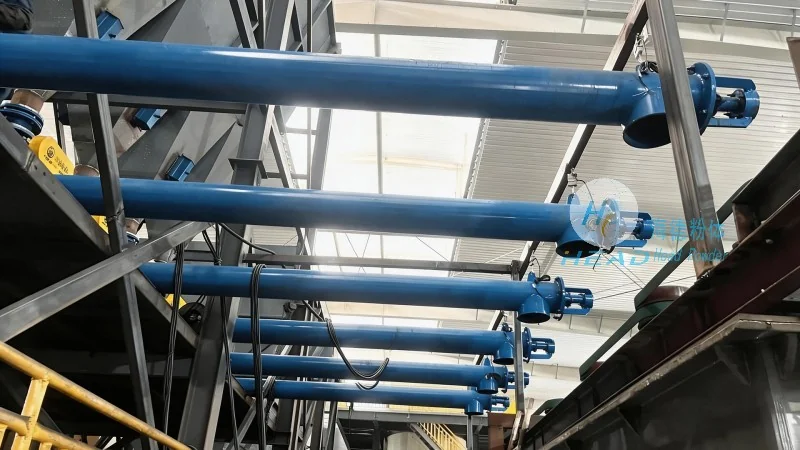
Key Characteristics of Material Handling Systems for Desulfurization and Denitrification Agents
Effective material handling systems for desulfurization and denitrification agents exhibit several important characteristics that enhance their performance and reliability. First, these systems are designed with safety as a top priority, incorporating features such as explosion-proof components, leak detection, and emergency shutdown mechanisms to prevent accidents and protect personnel. The use of corrosion-resistant materials, such as stainless steel or special alloys, is common to withstand the chemical properties of the agents, which can be highly corrosive. Second, the systems are engineered for high efficiency, minimizing energy consumption and maximizing throughput. This is achieved through optimized flow rates, reduced friction in pipelines, and the use of efficient conveying technologies like pneumatic systems or belt conveyors. Third, the systems are highly adaptable to different agent types and process requirements. For instance, some systems can handle both solid and liquid agents, while others are specialized for slurry or powder forms. This flexibility allows for integration into various industrial settings, from power plants to chemical manufacturing facilities. Fourth, the systems are equipped with advanced monitoring and control capabilities, enabling real-time data collection and process optimization. Sensors and controllers track parameters like flow rate, pressure, and temperature, allowing operators to adjust the system dynamically and maintain optimal performance. This level of automation reduces the risk of human error and ensures consistent operation over extended periods. Additionally, the systems are designed for easy maintenance and repair, with accessible components and standardized parts that facilitate quick troubleshooting and replacement. This reduces downtime and extends the lifespan of the equipment, contributing to long-term cost savings for the end-user.
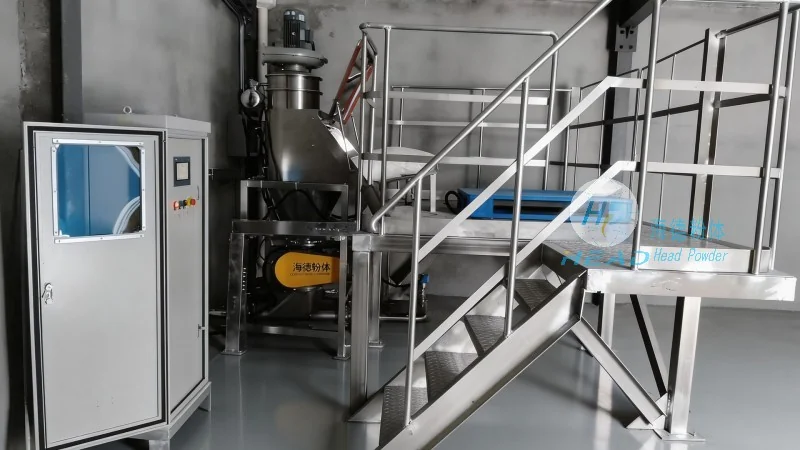
Company Overview: Shandong HeadPowder Engineering Co., Ltd.
Shandong HeadPowder Engineering Co., Ltd., commonly known as HeadPowder, is a leading provider of specialized material handling solutions for industrial applications, including those involving desulfurization and denitrification agents. With headquarters located in Shandong, China, the company has established itself as a trusted partner in the development and implementation of efficient and reliable material handling systems. HeadPowder leverages advanced engineering and manufacturing capabilities to design, fabricate, and install systems tailored to the unique needs of each client. The company’s expertise lies in understanding the specific challenges associated with handling chemical agents, such as desulfurization and denitrification agents, and developing solutions that address these challenges effectively. By combining technical innovation with practical experience, HeadPowder delivers systems that enhance operational efficiency, improve safety, and reduce environmental impact. The company’s commitment to quality and customer satisfaction has earned it a reputation as a reliable supplier in the industry, serving a diverse range of clients across various sectors, including power generation, chemical processing, and environmental technology.