

Working Principle and Features of Lithium Hydroxide Material Handling Systems
HeadPowder, a leading manufacturer based in Shandong, China, specializes in providing advanced material handling solutions tailored for lithium hydroxide applications. This article delves into the working principle and key features of our lithium hydroxide material handling systems, highlighting how they enhance operational efficiency and safety in industrial settings.
Introduction to Lithium Hydroxide Material Handling Systems
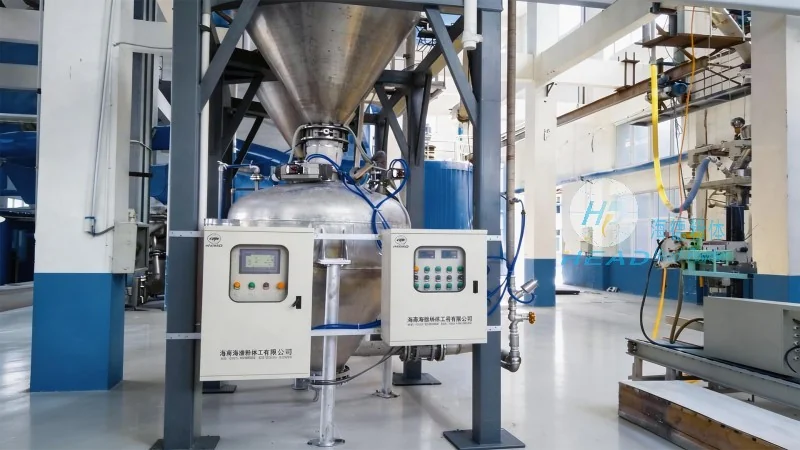
Lithium hydroxide (LiOH) is a critical chemical used in various industries, including battery manufacturing, pharmaceuticals, and chemical processing. Efficient and reliable transportation of this material is essential to ensure smooth production workflows and maintain product quality. The lithium hydroxide material handling system from Shandong HeadPowder Engineering Co., Ltd. is designed to meet these demands by integrating advanced technology and robust engineering.
Working Principle of the System
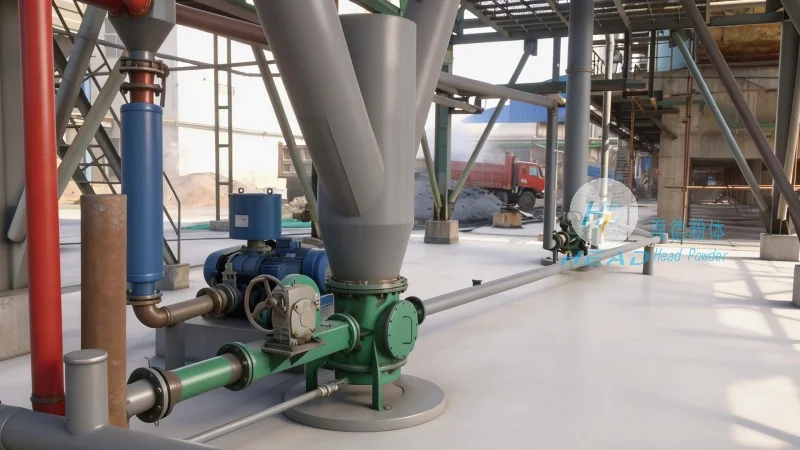
The lithium hydroxide material handling system operates through a series of coordinated components that ensure safe and effective material transport. The process typically begins with the loading of lithium hydroxide from storage silos or containers into the system's feeding mechanism. This is often achieved using bulk material feeders, such as screw conveyors or rotary valves, which control the flow rate and prevent material bridging or clogging. The system then transports the material through a network of pipelines or conveyor belts, utilizing positive displacement or pneumatic conveying methods depending on the specific application requirements. At each stage, sensors and control systems monitor the flow, temperature, and pressure to maintain optimal conditions. The material is then discharged into processing equipment or storage vessels, completing the cycle. This integrated approach ensures consistent performance and minimizes downtime, making it suitable for high-volume production environments.
Key Features and Advantages
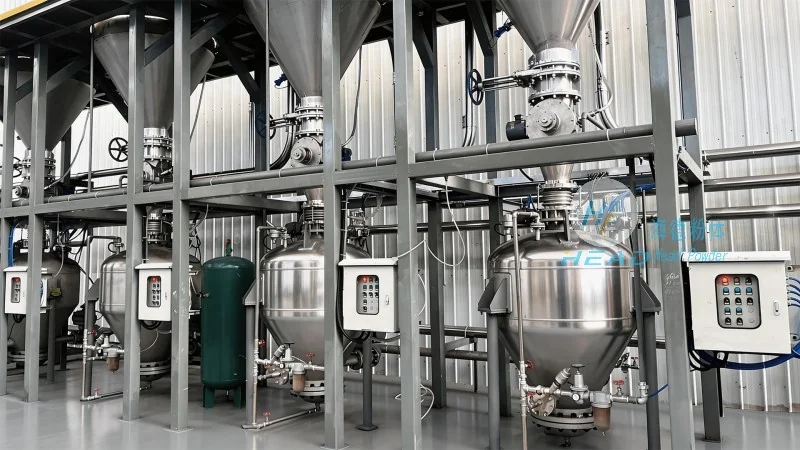
Our lithium hydroxide material handling systems are equipped with several features that set them apart in the industry. Firstly, the system incorporates advanced material handling technology, including automated control systems and real-time monitoring capabilities. This allows for precise regulation of material flow, reducing the risk of overloading or underflow, which can lead to production inefficiencies or safety hazards. Secondly, the design prioritizes safety and compliance with industry standards. The system includes explosion-proof components, dust suppression mechanisms, and emergency shut-off valves to protect personnel and equipment from potential risks associated with handling lithium hydroxide. Thirdly, the robust construction ensures durability and long-term reliability, even in harsh industrial environments. The use of high-quality materials and rigorous quality control processes ensures that the system can withstand the rigors of continuous operation. Additionally, the modular design allows for easy integration with existing production lines and scalability to accommodate future growth. These features collectively contribute to improved operational efficiency, reduced maintenance costs, and enhanced overall productivity.
Conclusion and Company Overview
Shandong HeadPowder Engineering Co., Ltd., based in Shandong, China, is committed to delivering innovative and reliable material handling solutions for lithium hydroxide applications. Our systems are engineered to meet the stringent requirements of modern industrial operations, combining advanced technology with robust design to ensure optimal performance. By leveraging our expertise and state-of-the-art equipment, we help clients enhance their production processes, improve safety standards, and achieve greater efficiency. Whether you are in the battery industry, pharmaceutical sector, or chemical processing field, our lithium hydroxide material handling systems provide the solution you need to maintain a competitive edge in today's market.