

[W]Working Principle and Features of Material Handling Equipment for Lithium-Ion Battery Raw Materia
When it comes to the production of lithium-ion batteries, the efficient handling of raw materials is crucial for maintaining high productivity and ensuring product quality. Material handling equipment plays a pivotal role in this process, enabling manufacturers to streamline operations and meet the demands of the rapidly growing battery market. This article delves into the working principle and key features of material handling equipment designed specifically for lithium-ion battery raw materials, highlighting how these systems enhance operational efficiency and reliability.
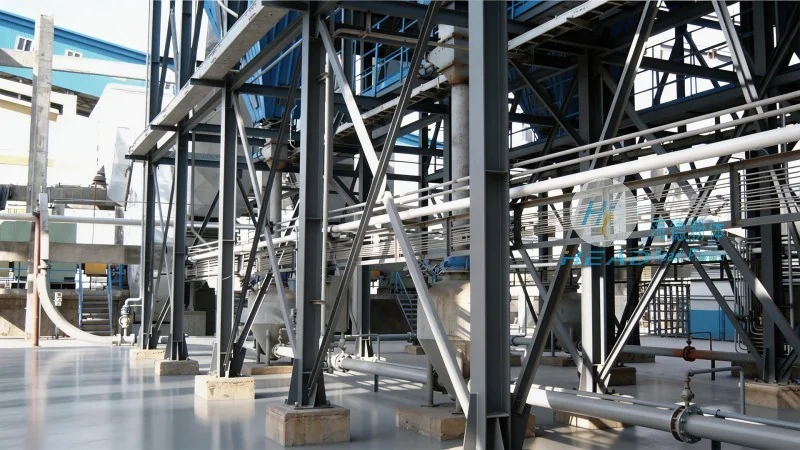
Understanding the Working Principle of Material Handling Equipment for Lithium-Ion Battery Raw Materials
The material handling equipment used in lithium-ion battery production facilities typically operates through a combination of mechanical and automated systems. These systems are engineered to handle various raw materials such as lithium compounds, cobalt, nickel, manganese, and other critical components required for battery cell manufacturing. The working principle generally involves several stages: material intake, sorting, processing, and transfer to subsequent production stages.
At the intake stage, raw materials are delivered to the equipment via bulk containers or bulk handling systems. The equipment then uses sensors and sorting mechanisms to separate different materials based on their physical properties, such as size, weight, or magnetic characteristics. For example, magnetic separators may be employed to remove ferromagnetic impurities from lithium compounds, while air classifiers can separate materials based on particle size. This sorting process ensures that only high-purity materials proceed to the next stage of production.
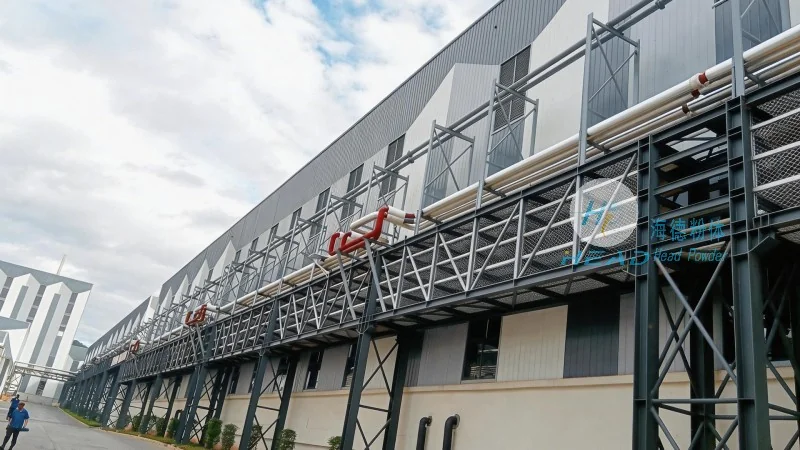
After sorting, the materials are processed through various mechanisms like conveyor belts, screw conveyors, or vibrating feeders. These components transport the materials to processing units where they may undergo further refinement, such as grinding, mixing, or blending. The processing stage is critical for achieving the desired chemical composition and particle size distribution, which directly impacts the performance of the final battery cells.
The final stage involves transferring the processed materials to the battery cell assembly line. This is typically achieved through automated transfer systems, such as robotic arms or automated guided vehicles (AGVs), which move the materials to the production line with precision and speed. The entire process is often integrated with a central control system that monitors and adjusts the flow of materials in real-time, ensuring optimal performance and minimizing downtime.
Key Features of Lithium-Ion Battery Raw Material Handling Equipment
Modern material handling equipment for lithium-ion battery raw materials is characterized by several key features that enhance its functionality and adaptability. These features are designed to meet the stringent requirements of the battery manufacturing industry, including high throughput, low maintenance, and high accuracy.
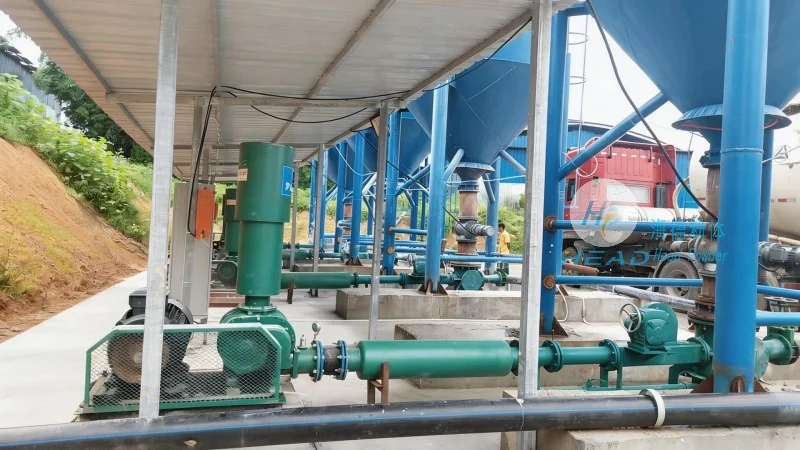
Firstly, the equipment is equipped with advanced automation and control systems. These systems utilize sensors, cameras, and artificial intelligence algorithms to monitor the material flow and adjust operations dynamically. For instance, vision systems can detect defects or contaminants in real-time, allowing for immediate corrective actions. This level of automation not only improves efficiency but also reduces the risk of human error, which is critical in high-stakes manufacturing environments.
Secondly, the equipment is built for high throughput and durability. Lithium-ion battery production lines operate at high speeds, and the material handling equipment must be able to keep pace without compromising quality. Manufacturers like Shandong HeadPowder Engineering Co., Ltd. design their equipment with robust components, such as heavy-duty conveyor belts and wear-resistant materials, to withstand continuous operation and harsh industrial conditions. This ensures that the equipment can handle large volumes of raw materials while maintaining consistent performance over extended periods.
Thirdly, the equipment is highly modular and customizable. Different production lines may require different types of raw materials and processing steps, and the material handling systems are designed to be flexible to accommodate these variations. Modular components allow manufacturers to add or remove parts as needed, adapting to changes in production requirements without significant downtime or additional investment. This adaptability is particularly valuable in the dynamic battery industry, where product specifications and production volumes can change rapidly.
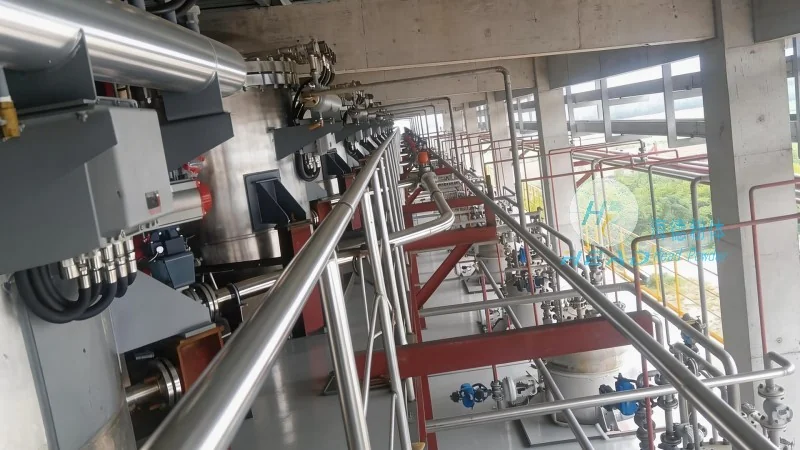
Fourthly, the equipment emphasizes safety and compliance. Lithium-ion battery raw materials may involve hazardous substances, and the handling equipment is engineered to comply with safety regulations and industry standards. Features such as enclosed systems, dust suppression mechanisms, and emergency stop buttons are integrated to protect operators and the environment. Additionally, the equipment is designed to minimize material exposure to air and moisture, which can affect the quality and stability of the raw materials.
Conclusion: The Role of Material Handling Equipment in Lithium-Ion Battery Production
In conclusion, material handling equipment for lithium-ion battery raw materials is a critical component of modern battery manufacturing operations. By understanding its working principle and leveraging its key features, manufacturers can enhance productivity, improve product quality, and maintain a competitive edge in the market. As the demand for lithium-ion batteries continues to grow, the importance of efficient and reliable material handling systems will only increase. Companies like Shandong HeadPowder Engineering Co., Ltd. are at the forefront of developing advanced solutions that meet these evolving needs, ensuring that the battery industry can meet global energy demands sustainably and effectively.