

Working Principle and Features of Material Handling Equipment for Battery Positive Electrode Materia
HeadPowder, or Shandong HeadPowder Engineering Co., Ltd., is a leading manufacturer of specialized equipment for the battery industry, with a focus on material handling solutions for battery positive electrode materials. The company is based in Shandong, China, and has established itself as a trusted provider of high-quality equipment that meets the demanding requirements of modern battery production. HeadPowder's material handling equipment is designed to enhance efficiency, reliability, and safety in the production of battery positive electrode materials, contributing to the overall performance and longevity of the final battery products.
Working Principle of Material Handling Equipment for Battery Positive Electrode Materials
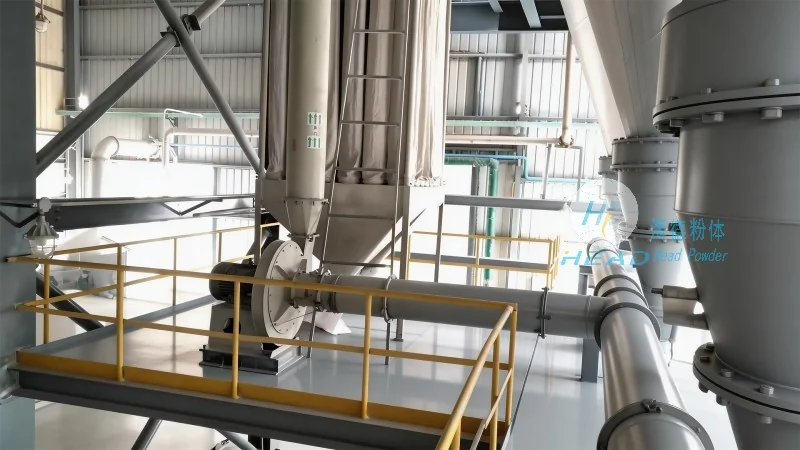
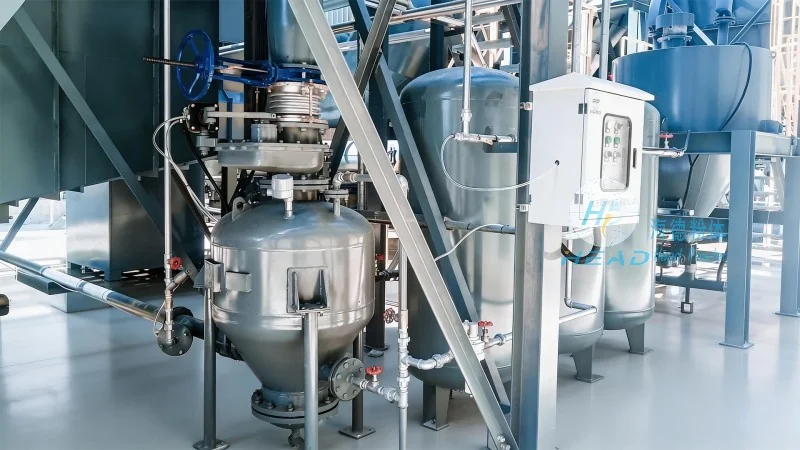
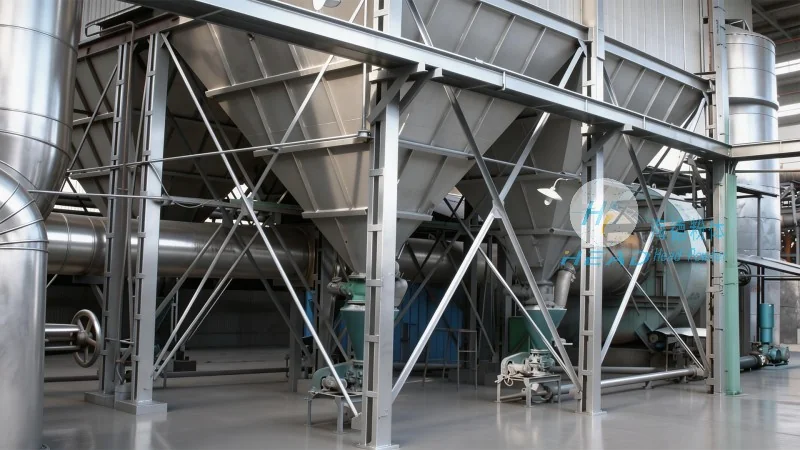
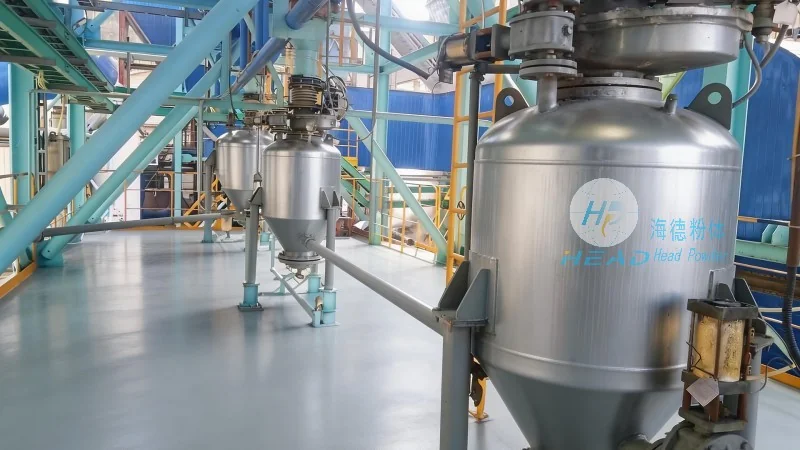
HeadPowder's material handling equipment for battery positive electrode materials operates on a systematic workflow that ensures seamless material transfer and processing. The process begins with the raw material input stage, where bulk materials are fed into the system via a hopper or bulk container. The hopper is equipped with a level sensor to monitor material levels and trigger refilling as needed, preventing material starvation or overfilling. From the hopper, the material is transferred to a primary conveyor system, which may be a belt conveyor or a screw conveyor, depending on the material's characteristics. For powders and fine particles, a belt conveyor with a smooth surface is often used to minimize material degradation, while screw conveyors are preferred for granular materials due to their ability to handle higher bulk densities. The conveyor system is integrated with a vibrating feeder that evenly distributes the material across the conveyor belt, ensuring consistent flow and preventing blockages. As the material moves through the conveyor, it may pass through a series of processing steps, such as magnetic separation to remove metal contaminants or a screening unit to segregate particles by size. These steps are crucial for maintaining the purity and quality of the battery positive electrode materials, as impurities can significantly impact the performance of the final battery cells. After processing, the material is directed to a storage silo or a transfer conveyor that connects to the next production stage, such as mixing or coating. The entire system is controlled by a programmable logic controller (PLC), which coordinates the operation of all components, including the feeders, conveyors, and processing units. The PLC allows for real-time monitoring and adjustment of the material flow rate, ensuring that the production line operates efficiently and consistently. This integrated control system enhances the equipment's reliability and reduces the need for manual intervention, making it suitable for continuous production environments.
Key Features of the Equipment
The material handling equipment from Shandong HeadPowder Engineering Co., Ltd. is distinguished by several key features that address the specific challenges of handling battery positive electrode materials. One primary feature is its high efficiency and throughput capacity, which is achieved through optimized conveyor designs and adjustable speed controls. The equipment can handle large volumes of material, making it suitable for high-volume battery production lines. For example, the belt conveyor system can be configured to operate at speeds ranging from 0.5 to 5 meters per second, allowing for precise control over material flow rates. This flexibility ensures that the equipment can match the production requirements of different battery manufacturers, whether they need to process small batches of experimental materials or large-scale industrial batches. Another notable feature is the equipment's durability and low maintenance requirements. The use of high-quality materials, such as stainless steel for the hopper and conveyor components, and heavy-duty bearings, reduces wear and tear and extends the equipment's service life. The system is also designed with easy access points for maintenance, allowing technicians to perform routine checks and repairs without disrupting the production process. This reduces downtime and lowers the overall operational costs for the user. Additionally, the equipment incorporates advanced safety features to protect both personnel and the material. The system includes overload protection sensors that automatically shut down the conveyor if the material load exceeds the rated capacity, preventing equipment damage and potential accidents. Emergency stop buttons are also strategically placed throughout the equipment for quick response in case of emergencies. The equipment also prioritizes environmental sustainability, with enclosed designs that minimize dust emissions and integrated dust collection systems. This not only improves the working environment but also complies with environmental regulations, making it a responsible choice for battery manufacturers. The adaptability of the equipment is another key advantage. The modular design allows for easy customization to accommodate different material types and production processes. For instance, the screening unit can be replaced with a different mesh size or replaced with a magnetic separator to handle specific material requirements. This flexibility reduces the need for purchasing multiple pieces of equipment for different applications, saving both time and cost. The equipment's user-friendly interface, with a touchscreen control panel, provides operators with real-time data on material flow, system status, and maintenance alerts. This helps in monitoring the performance of the equipment and identifying any issues before they escalate, ensuring smooth and continuous operation.