

[Working Principles and Features of Large Material Conveying Lines]
Large material conveying lines are sophisticated industrial systems designed to transport bulk materials over long distances with high efficiency and reliability. These systems are integral to various industries, including mining, construction, and manufacturing, where the movement of raw materials or finished products is critical to operational productivity. The design and functionality of such lines are tailored to handle diverse material types, from loose grains to heavy aggregates, ensuring seamless integration into production workflows. This article explores the fundamental working principles and key features of large material conveying lines, providing insights into how they operate and the advantages they offer in industrial applications.
Working Principles of Large Material Conveying Lines
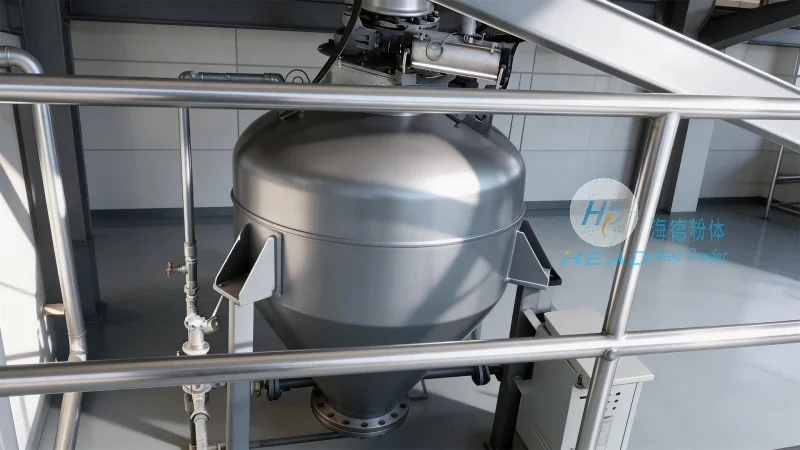
The core working principle of large material conveying lines revolves around the continuous movement of materials using mechanical components. At the heart of these systems are conveyor belts, buckets, or other transport mechanisms that are driven by electric motors or other power sources. The process typically begins with the loading of materials at the inlet, where the material is fed into the conveyor system. From there, the material is transported through a series of sections, which may include inclines, declines, or horizontal runs, depending on the layout of the facility. The driving mechanism, often a motor connected to a gearbox or pulley system, provides the necessary force to move the conveyor belt or buckets, ensuring consistent material flow. The speed and capacity of the conveyor are adjustable based on the material characteristics and production requirements, allowing for flexibility in handling different loads. In addition to the primary transport components, large material conveying lines may incorporate auxiliary equipment such as feeders, hoppers, and transfer points to manage the material flow and prevent blockages. The entire system operates in a synchronized manner, with each component working in harmony to maintain a steady and efficient material transfer process. This continuous operation minimizes downtime and maximizes throughput, making large material conveying lines essential for high-volume industrial operations.
Key Features of Large Material Conveying Lines
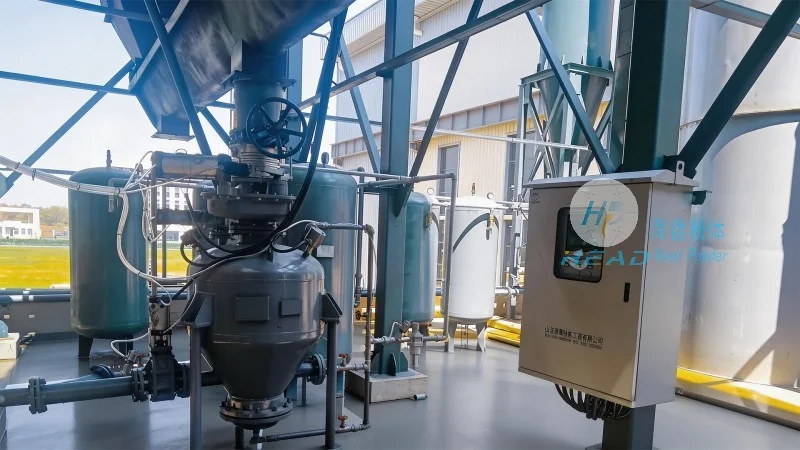
Large material conveying lines are characterized by several key features that distinguish them from smaller or simpler conveying systems. One of the primary features is their high capacity, which allows for the transportation of large volumes of material in a single operation. This is achieved through the use of wide conveyor belts or multiple buckets in bucket elevators, enabling the system to handle heavy loads without compromising speed. Another significant feature is the durability and robust construction of these systems, designed to withstand harsh industrial environments and heavy usage. Materials such as steel, reinforced plastics, or specialized alloys are commonly used in the construction of conveyor components, ensuring long service life and minimal maintenance. The flexibility in design is also a notable feature, as large material conveying lines can be customized to fit specific site layouts and operational needs. This adaptability allows for the integration of various components, such as vertical lifts, horizontal runs, and curved sections, to create a comprehensive material handling solution. Additionally, modern large material conveying lines often incorporate advanced control systems, including variable speed drives and sensors, to optimize performance and enhance safety. These features enable real-time monitoring of the system's operation, allowing for quick adjustments to maintain optimal efficiency. The integration of automation and monitoring technologies further enhances the reliability and efficiency of large material conveying lines, reducing the risk of operational disruptions and improving overall productivity.
Applications and Benefits in Industrial Settings
Large material conveying lines find extensive applications across various industries, where the efficient movement of bulk materials is crucial to operational success. In the mining industry, these systems are used to transport ore from underground mines to processing facilities, ensuring a continuous supply of raw materials for extraction and processing. In construction, large material conveying lines are employed to move aggregates, sand, and other building materials to construction sites, supporting the timely delivery of materials for project completion. The manufacturing sector also benefits from these systems, as they facilitate the transport of raw materials to production lines and the movement of finished products to storage or shipping areas. The benefits of using large material conveying lines in these applications are substantial, including increased operational efficiency, reduced labor costs, and improved safety. By automating the material handling process, these systems minimize the need for manual labor, reducing the risk of accidents and injuries associated with manual material transport. Additionally, the consistent and reliable operation of large material conveying lines ensures that production processes are not interrupted, leading to higher output and better resource utilization. The ability to handle diverse materials and adapt to changing production demands further enhances the value of these systems, making them a critical component of modern industrial operations.
Maintenance and Operational Considerations
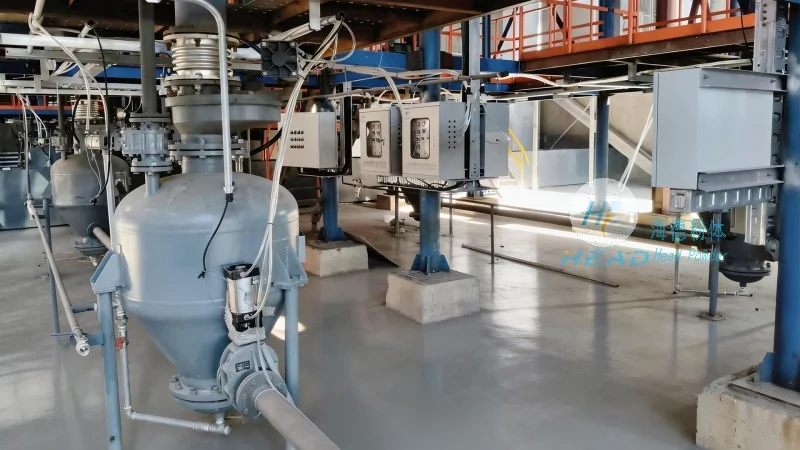
Proper maintenance and operational considerations are essential to ensure the longevity and optimal performance of large material conveying lines. Regular inspection and maintenance of key components, such as conveyor belts, bearings, and drive systems, are necessary to prevent breakdowns and extend the service life of the equipment. Routine checks for wear and tear, including belt tension, pulley alignment, and bucket condition, help identify potential issues before they escalate into major problems. Lubrication of moving parts and cleaning of conveyor surfaces are also important maintenance tasks that contribute to smooth operation. Operational considerations include monitoring the system's performance, such as throughput rates and energy consumption, to identify areas for improvement. Adjustments to the conveyor speed or feed rate may be necessary to optimize performance based on changing material conditions or production demands. Additionally, training operators on the proper use and maintenance of the system is crucial to ensure safe and efficient operation. By adhering to regular maintenance schedules and operational best practices, large material conveying lines can maintain their efficiency and reliability over extended periods, providing consistent performance for industrial applications.