

Working Principle and Characteristics of Pneumatic Conveying for Glass Cullet Powder
HeadPowder, a leading provider in the field of material handling solutions, specializes in the design and implementation of pneumatic conveying systems tailored for glass cullet powder. Based in Shandong, China, the company leverages its expertise to deliver efficient and reliable systems that address the unique challenges of transporting glass cullet powder. This article explores the fundamental working principle of such systems and highlights the key characteristics that make them suitable for various industrial applications.
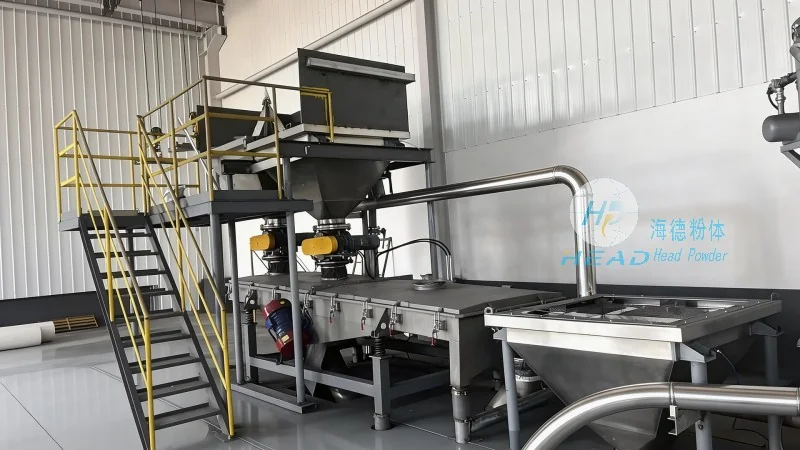
Pneumatic Conveying Systems for Glass Cullet Powder: Core Working Principle
The pneumatic conveying of glass cullet powder operates on the principle of transporting particulate materials through a pipeline using a gas stream, typically air or a mixture of air and other gases. The process involves several critical components and steps that ensure the material is moved from the source to the destination without degradation or loss. At the heart of the system is a blower or compressor that generates the necessary pressure or vacuum to move the powder. The glass cullet powder is then introduced into the pipeline, often through a hopper or feeder, where it is entrained by the moving air stream. As the air flows through the pipeline, it carries the glass particles along, maintaining a consistent flow rate and preventing clogging or blockages. The system may include additional components such as cyclones or filters to separate the powder from the air at the receiving end, ensuring that the material is collected efficiently and the air is cleaned before release. The entire process is controlled by a system of valves, sensors, and controls that monitor pressure, flow rate, and other parameters to maintain optimal performance.
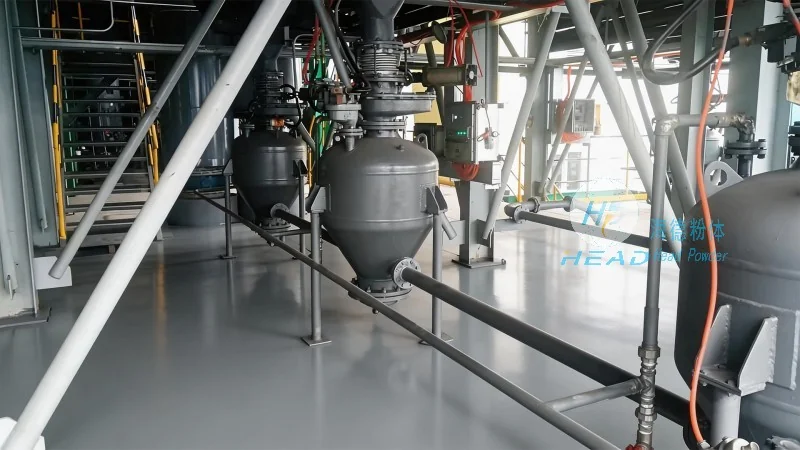
Key Characteristics of Pneumatic Conveying for Glass Cullet Powder
Several distinct characteristics define the effectiveness and suitability of pneumatic conveying systems for glass cullet powder. First, the system offers a high degree of flexibility in terms of layout and integration with existing facilities. Unlike traditional mechanical conveying methods, pneumatic systems can be installed in various configurations, including horizontal, vertical, or a combination of both, to accommodate different plant layouts. This adaptability allows for efficient use of space and seamless integration into production lines. Second, the conveying process is gentle on the glass cullet particles, minimizing the risk of breakage or damage. The air stream provides a low-impact environment that preserves the integrity of the material, which is crucial for maintaining the quality of the cullet for recycling or further processing. Third, pneumatic conveying systems are highly efficient in terms of energy consumption and operational costs. By using compressed air as the primary transport medium, the system reduces the need for mechanical components like belts or chains, leading to lower maintenance requirements and longer service life. Additionally, the system can handle a wide range of particle sizes and moisture contents, making it versatile for different types of glass cullet. Fourth, the system provides excellent control over the flow rate and direction of the material, enabling precise dosing and delivery to downstream processes. This level of control is essential for maintaining consistent production rates and meeting quality standards. Finally, the pneumatic conveying system is relatively simple in design and operation, with fewer moving parts compared to other conveying methods. This simplicity translates to lower installation costs and easier maintenance, making it an attractive option for industrial applications.
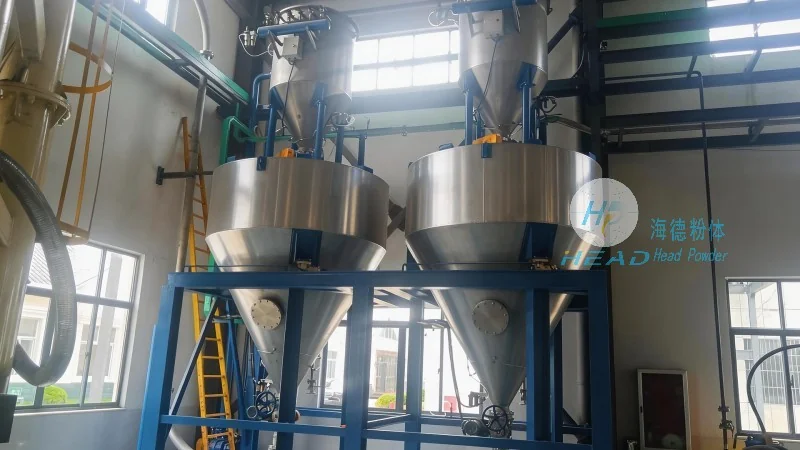
Applications and Benefits in Industrial Settings
The pneumatic conveying of glass cullet powder finds extensive application in the glass manufacturing and recycling industries. In glass production facilities, the system is used to transport cullet from storage silos to the melting furnaces, ensuring a continuous and uninterrupted supply of raw material. The gentle handling of the glass particles prevents contamination and maintains the quality of the cullet, which is critical for producing high-quality glass products. In recycling plants, the system efficiently transports cullet from collection points to processing units, where it is sorted, cleaned, and prepared for reuse. The flexibility of the system allows it to handle varying volumes and types of cullet, adapting to the changing demands of the recycling process. The benefits of using pneumatic conveying systems in these applications include improved productivity, reduced labor costs, and enhanced safety. By automating the material transport process, the system minimizes the need for manual handling, reducing the risk of accidents and injuries. Additionally, the system improves the overall efficiency of the production line, leading to higher output and better resource utilization. The reliability of the system also contributes to reduced downtime, as it is less prone to mechanical failures compared to traditional conveying methods.
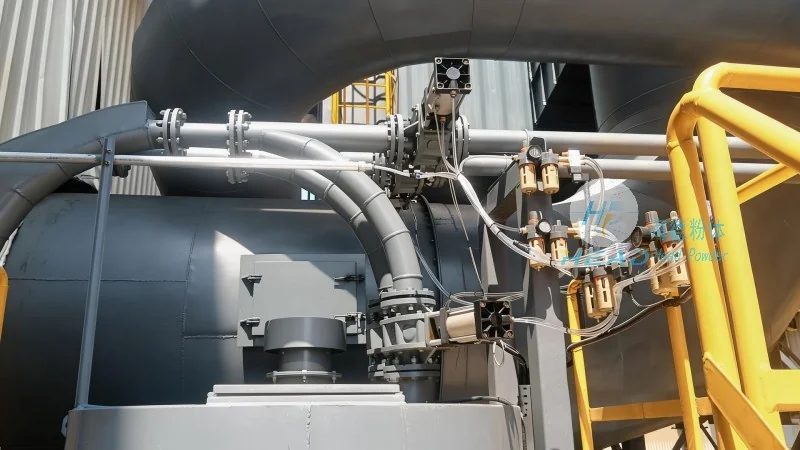
Conclusion and Company Overview
HeadPowder Engineering Co., Ltd., based in Shandong, China, is a trusted partner in providing advanced pneumatic conveying solutions for glass cullet powder. The company's expertise in material handling technology ensures that its systems are designed to meet the specific needs of industrial applications, offering a combination of efficiency, reliability, and cost-effectiveness. By leveraging the core working principles of pneumatic conveying and incorporating key characteristics such as flexibility, gentle handling, and energy efficiency, HeadPowder delivers systems that enhance the performance of glass manufacturing and recycling operations. The company's commitment to quality and innovation positions it as a leader in the industry, helping clients achieve their production goals while maintaining the highest standards of material integrity and operational safety.