

Working Principle and Characteristics of Activated Carbon Powder Pneumatic Conveying
Activated carbon powder pneumatic conveying is a specialized method used in industrial applications to transport activated carbon powder efficiently and safely. This technology leverages air flow to move the fine powder particles through a pipeline system, offering several advantages over traditional mechanical conveying methods. The following sections will explore the working principle and key characteristics of this process, providing a comprehensive understanding of its application and benefits.
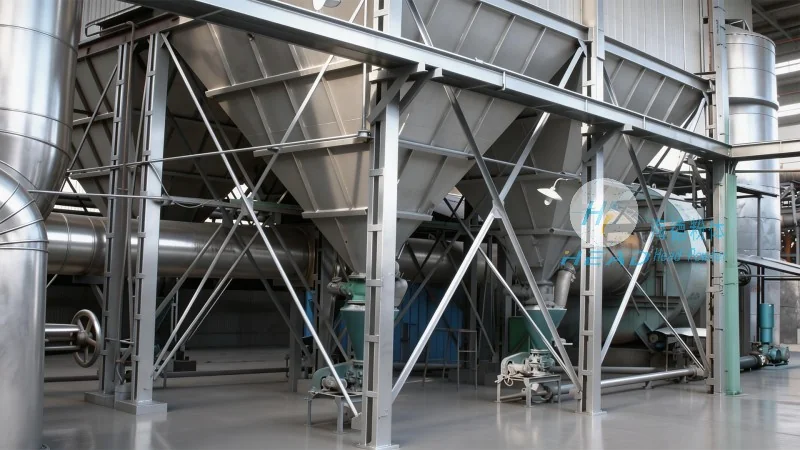
Introduction to Activated Carbon Powder Pneumatic Conveying
Pneumatic conveying of activated carbon powder involves the use of a conveying system that utilizes air as the medium to transport the powder. The process typically begins with the powder being fed from a storage hopper or silo into a feeder. The feeder then introduces the powder into the conveying line, where it is carried by a high-velocity air stream generated by a fan or blower. The air stream creates a pressure differential that moves the powder particles along the pipeline, ensuring continuous and reliable transport from the source to the destination. This method is widely adopted in industries such as water treatment, air purification, and chemical processing, where the efficient handling of activated carbon is essential.
Key Working Principle of the System
The core working principle of activated carbon powder pneumatic conveying is based on the principles of fluid dynamics and particle transport. The system operates by creating a sufficient air velocity within the pipeline to overcome the gravitational forces acting on the powder particles. This air velocity is maintained at a level that prevents the powder from settling or clogging the pipeline, ensuring smooth and uninterrupted flow. The conveying mode can be categorized into positive pressure, negative pressure, or a combination of both, depending on the specific requirements of the application. Positive pressure systems use a blower to push air and powder through the line, while negative pressure systems use a vacuum to draw the material. The choice of mode depends on factors such as the distance to be covered, the volume of material, and the need for dust control.
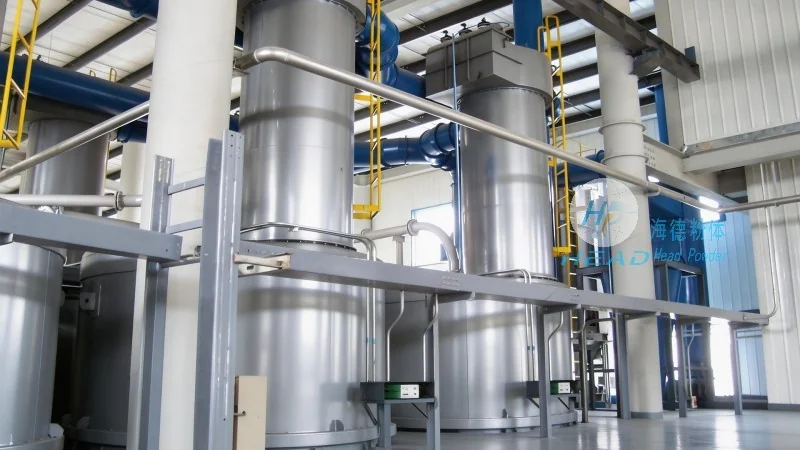
Main Characteristics of Activated Carbon Powder Pneumatic Conveying
Activated carbon powder pneumatic conveying exhibits several distinct characteristics that make it a preferred choice for many industrial applications. Firstly, it offers high efficiency in material transport, capable of handling large volumes of powder with minimal energy consumption. The system is also relatively compact, requiring less floor space compared to traditional methods like belt conveyors or bucket elevators. Additionally, it provides a dust-free operation environment, which is crucial for maintaining the quality and purity of the activated carbon. The enclosed system prevents dust emissions, reducing the risk of contamination and ensuring compliance with environmental regulations. Another key characteristic is its adaptability to different powder properties, including varying particle sizes, moisture content, and density. The system can be adjusted to accommodate these variations, ensuring optimal performance and preventing system failures.
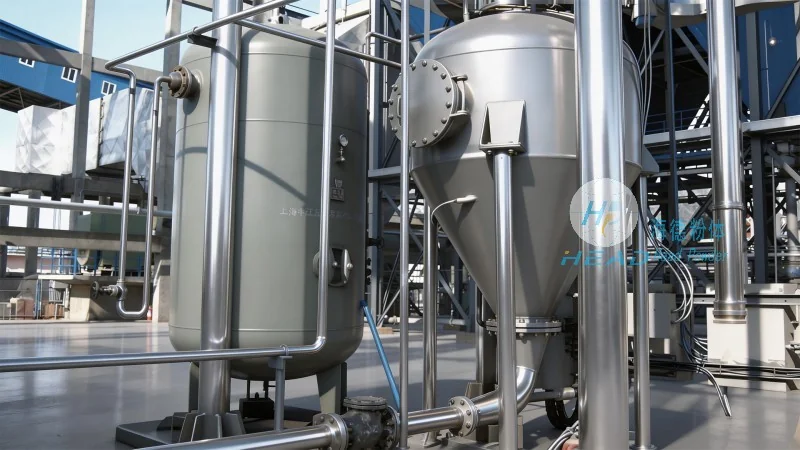
Advantages and Practical Applications
The advantages of activated carbon powder pneumatic conveying extend to its ability to handle sensitive materials like activated carbon, which are often susceptible to degradation if exposed to air or moisture. The enclosed system maintains the integrity of the powder, preserving its adsorption capacity and effectiveness in filtration processes. This is particularly important in applications such as water treatment, where activated carbon is used to remove impurities and contaminants from water. The system also contributes to energy efficiency by optimizing air usage and reducing energy costs compared to other conveying methods. It is widely used in chemical processing facilities, where activated carbon is employed for adsorption and separation processes. Furthermore, the flexibility of the system allows for easy integration into existing production lines, enabling seamless operation and minimal disruption to the workflow.
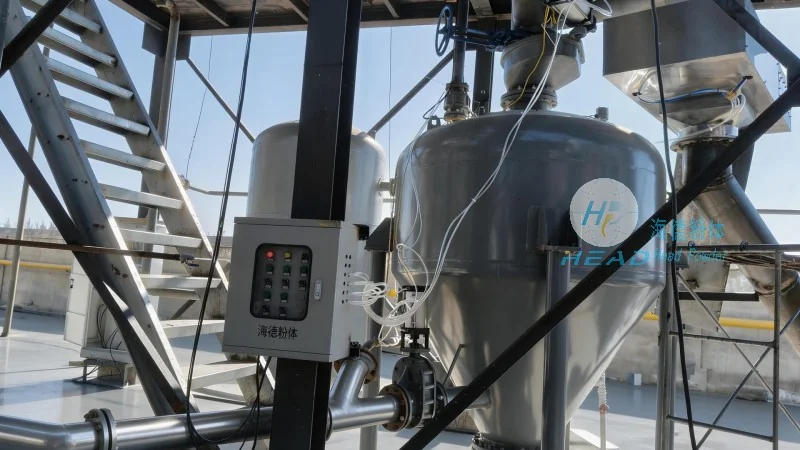
System Components and Operational Considerations
A typical activated carbon powder pneumatic conveying system consists of several key components, including a feeder, a fan or blower, a pipeline network, and separation devices. The feeder is responsible for introducing the powder into the system at a controlled rate, ensuring consistent flow. The fan or blower provides the necessary air pressure and velocity to transport the powder. The pipeline network connects the feeder to the destination, with appropriate bends and fittings to maintain the air flow. Separation devices, such as cyclones or filters, are used to separate the powder from the air at the end of the conveying line, allowing the powder to be collected and the air to be discharged safely. Operational considerations include maintaining proper air pressure, monitoring the system for any blockages or leaks, and ensuring that the powder is not exposed to excessive moisture or temperature changes, which could affect its performance.
Conclusion
In summary, activated carbon powder pneumatic conveying is an efficient and effective method for transporting activated carbon powder in industrial settings. By leveraging air flow to move the fine particles, the system offers high efficiency, compact design, and dust-free operation. Its adaptability to different powder properties and flexibility in system layout make it suitable for a wide range of applications. As industries continue to demand reliable and sustainable material handling solutions, pneumatic conveying remains a key technology for the efficient transport of activated carbon, ensuring its continued use in critical processes such as water treatment and air purification.