

Working Principle and Characteristics of Perlite Powder Pneumatic Conveying
HeadPowder, a leading provider of material handling solutions, specializes in advanced pneumatic conveying systems for various industrial applications. With operations based in Shandong, China, the company has established itself as a trusted partner for businesses seeking efficient and reliable transport of lightweight powders like perlite. HeadPowder's expertise lies in designing and implementing customized pneumatic conveying systems that meet the specific needs of clients, ensuring optimal performance and cost-effectiveness.
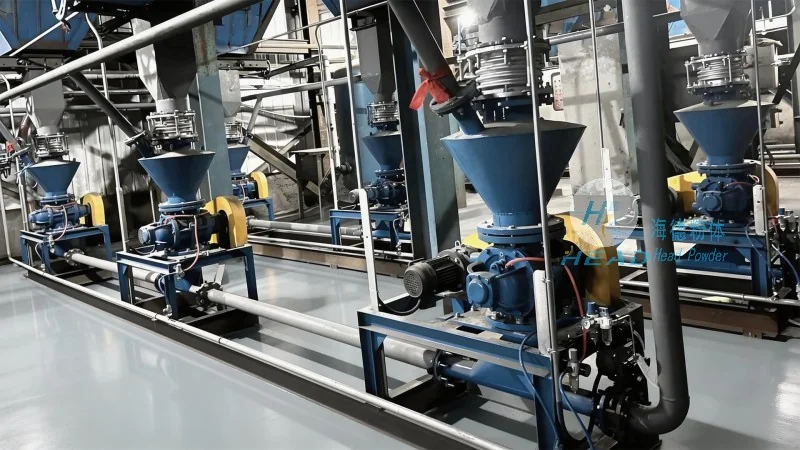
Introduction to Perlite Powder Pneumatic Conveying
Perlite powder pneumatic conveying is a widely used technique in material handling, particularly for transporting lightweight, fine-grained materials like perlite. This method utilizes air as the conveying medium to move the powder from a source to a destination, offering advantages such as low maintenance, flexibility, and the ability to handle materials in enclosed systems. The process is fundamental to many industrial applications, including construction, insulation, and chemical processing, where efficient material transport is critical.
Working Principle of Perlite Powder Pneumatic Conveying
The core mechanism of perlite powder pneumatic conveying involves the use of a blower or compressor to generate a flow of air. This air is then directed through a pipeline system that transports the perlite powder. The process typically operates under either positive pressure (pressure conveying) or negative pressure (suction conveying), depending on the system design and the distance the material needs to travel. In pressure conveying, the air is forced through the pipeline, carrying the powder particles along with it. The velocity of the air must be sufficient to overcome the gravitational and frictional forces acting on the powder particles, ensuring stable transport without clogging or degradation of the material.
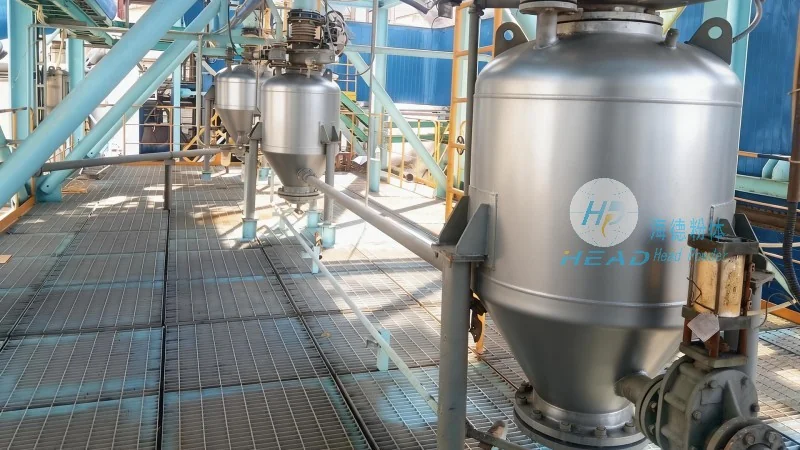
Key components in a perlite powder pneumatic conveying system include the air source (blower or compressor), the conveying line (usually made of stainless steel or plastic to prevent material degradation and corrosion), and the control valves that regulate the air flow and pressure. The system may also include filters to remove any fine particles from the air stream, ensuring the material remains clean and the air is not contaminated. The design of the system is critical to achieving efficient and reliable transport, as improper air velocity or pressure can lead to material deposition or system inefficiencies.
Key Characteristics of Perlite Powder Pneumatic Conveying
Several distinct characteristics define the performance of perlite powder pneumatic conveying systems. First, the method is highly effective for transporting fine, lightweight powders like perlite, which are prone to caking or segregation in traditional gravity or mechanical systems. The air flow provides consistent mixing and uniform distribution of the material, preventing agglomeration and maintaining product quality. Second, the system offers flexibility in terms of layout and distance. Unlike mechanical conveyors, pneumatic systems can be easily reconfigured or extended to accommodate changes in production processes or facility expansions. This adaptability is particularly valuable in dynamic industrial environments.
Third, perlite powder pneumatic conveying is generally low in maintenance compared to other material handling methods. The absence of moving parts in the conveying line reduces wear and tear, and the system is less susceptible to blockages caused by material buildup. However, the air source and control components require regular maintenance to ensure optimal performance. Fourth, the system's ability to handle a wide range of particle sizes and moisture content makes it versatile for various perlite applications, from raw material transport to finished product delivery.
Applications and Benefits in Industrial Settings
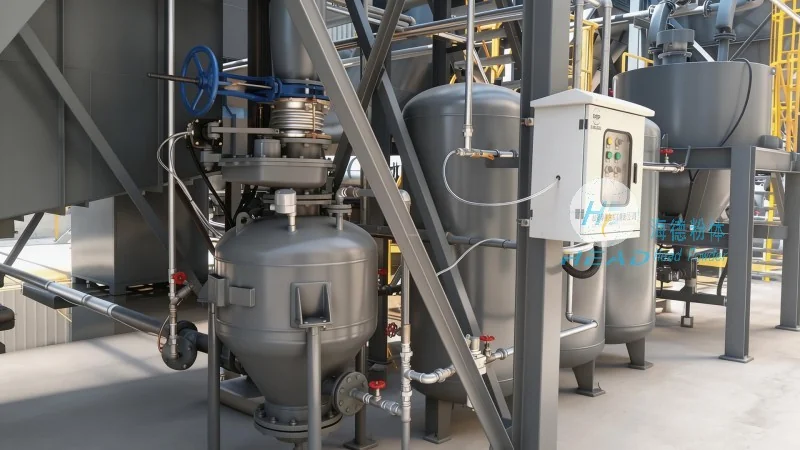
Perlite powder pneumatic conveying is widely utilized in industrial settings where efficient material transport is essential. In the construction industry, for example, perlite is used as an insulating material in building materials, and pneumatic conveying ensures that the powder is delivered to production lines or storage facilities without loss or degradation. The method is also employed in chemical processing, where perlite is used as a filler or additive in various products, and the system helps maintain the purity and consistency of the material. Additionally, in the food and pharmaceutical industries, where material cleanliness is paramount, pneumatic conveying provides a hygienic and enclosed solution for transporting perlite, which may be used as a filler or stabilizer.
The benefits of using perlite powder pneumatic conveying extend beyond just efficient transport. The method reduces labor costs associated with manual handling of powders, as the system automates the entire process from source to destination. It also minimizes material waste by preventing spillage and caking, which can occur with traditional methods. Furthermore, the enclosed system helps in maintaining a safe working environment by controlling dust emissions, reducing the risk of respiratory issues among workers. This is particularly important for perlite, which can generate fine particles that are hazardous if inhaled.