

Working Principle and Features of Corn Feed Powder Pneumatic Conveying System
Corn feed powder pneumatic conveying systems are essential in the agricultural and feed processing industries, designed to efficiently transport bulk corn feed powders from storage to processing or packaging areas. These systems leverage the principles of pneumatic transport to move materials through a network of pipes, often using air pressure or vacuum to create the necessary force for material movement. Understanding the working principle and key features of such systems is crucial for optimizing feed processing operations and ensuring consistent product quality.
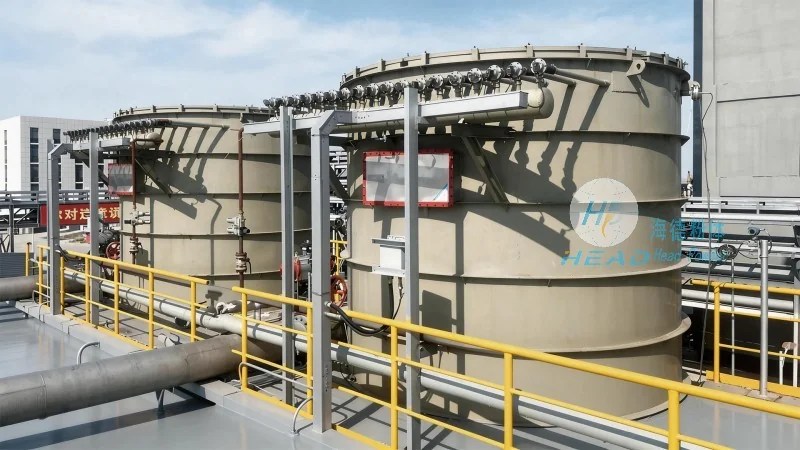
Working Principle of Corn Feed Powder Pneumatic Conveying Systems
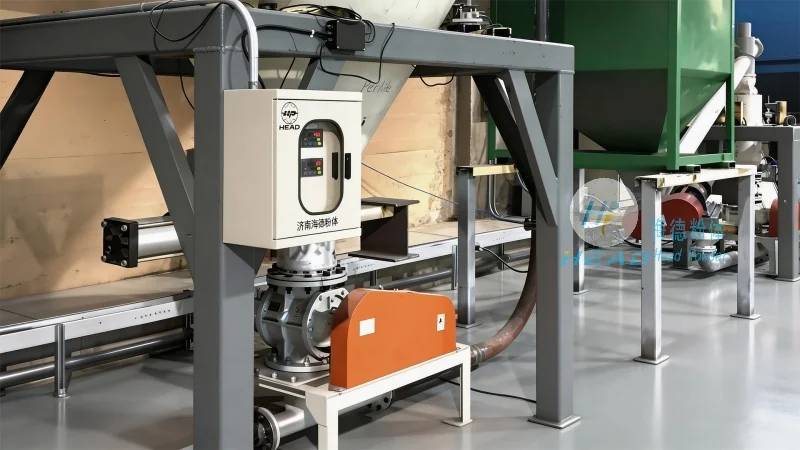
The core working principle of a corn feed powder pneumatic conveying system involves the use of air as the medium to transport solid particles. The system typically consists of a hopper for material storage, a conveyor line (composed of pipes), and a control unit. The process begins when corn feed powder is fed into the hopper. An air compressor or vacuum pump generates the necessary air pressure or vacuum, which then draws the powder particles into the conveyor line. As the air flows through the pipes, it carries the powder particles along the path, delivering them to the desired destination. The system may include components such as rotary valves, filters, and dust collectors to ensure efficient and clean operation. The working principle is based on the balance between air velocity and particle size, ensuring that the powder is conveyed without clogging or degradation. This method allows for a continuous, automated process that minimizes manual handling and reduces the risk of contamination.
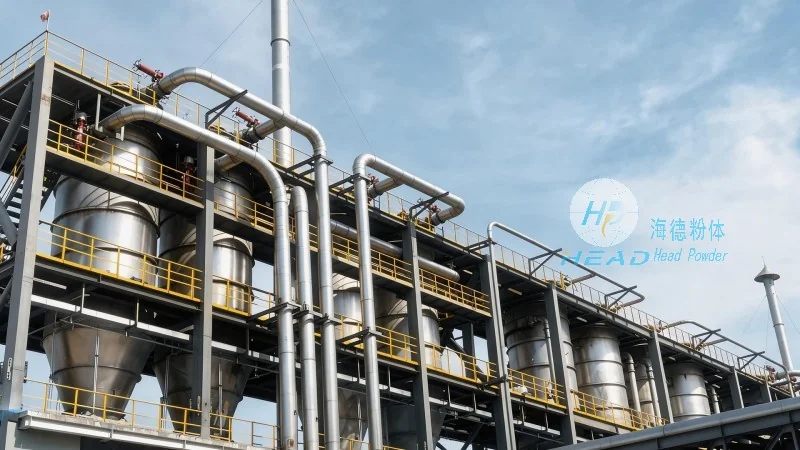
Key Features and Advantages of the System
One of the primary advantages of corn feed powder pneumatic conveying systems is their ability to handle fine, dusty materials like corn feed powder without the need for mechanical components that could cause wear or contamination. The system’s design minimizes product degradation, as the material is not subjected to excessive friction or impact during transport. Additionally, pneumatic conveying systems offer high flexibility in terms of layout, allowing for complex pipe networks that can navigate around obstacles in the processing facility. This flexibility is particularly beneficial in feed processing plants where space is limited or where the layout requires multiple transfer points. Another key feature is the system’s ability to maintain a consistent flow rate, which is critical for maintaining production efficiency and ensuring that downstream processes receive a steady supply of feed material. The use of air as the transport medium also allows for easy integration with other processing equipment, such as mixers or grinders, by connecting the conveying line directly to these units. Furthermore, pneumatic conveying systems are generally low-maintenance compared to mechanical conveyors, as they have fewer moving parts that could require regular replacement or repair. This reduces downtime and operational costs over the long term.
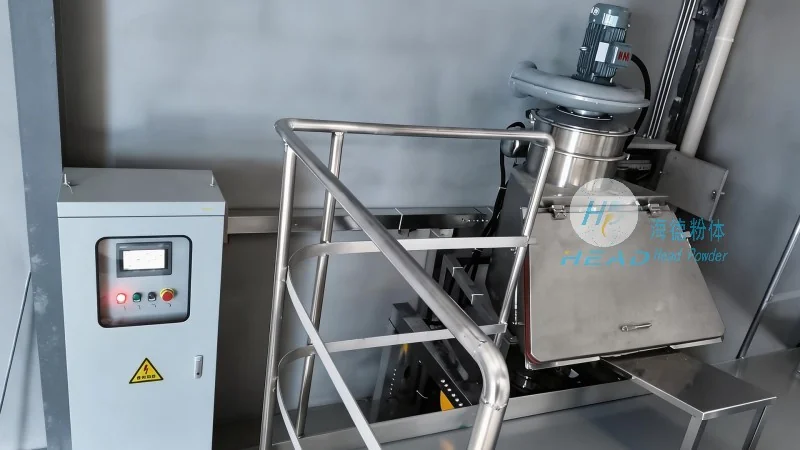
Company Profile: Shandong HeadPowder Engineering Co., Ltd.
Shandong HeadPowder Engineering Co., Ltd., a leading manufacturer based in China, specializes in the design, development, and installation of advanced pneumatic conveying systems for the agricultural and feed processing sectors. With a strong commitment to quality and innovation, the company has built a reputation for delivering reliable and efficient solutions tailored to the unique needs of its clients. HeadPowder’s team of engineers and technicians leverages years of industry experience to create customized systems that optimize material handling processes while minimizing operational costs. The company’s facilities in Shandong, China, are equipped with state-of-the-art technology and testing equipment, ensuring that every system meets the highest standards of performance and durability. By focusing on customer satisfaction and technical excellence, HeadPowder has established itself as a trusted partner for businesses seeking to enhance their feed processing capabilities.
Application Scenarios and Benefits in Feed Processing
Corn feed powder pneumatic conveying systems are widely used in various stages of feed production, from raw material handling to final product packaging. In raw material storage, these systems efficiently transfer corn feed from silos or bulk containers to processing lines, ensuring a continuous supply of material. During the processing stage, the system can transport feed powders to mixing or grinding equipment, where they are combined with other ingredients to create balanced feed formulations. The consistent and hygienic transport provided by pneumatic systems helps maintain the quality and nutritional value of the feed, which is critical for animal health and productivity. In packaging operations, the system can deliver feed powders to packaging machines, ensuring that products are filled accurately and without contamination. The benefits of using such systems extend beyond operational efficiency; they also contribute to improved workplace safety by reducing manual handling of heavy or dusty materials. Additionally, the reduced need for manual intervention lowers labor costs and minimizes the risk of workplace accidents. Overall, the adoption of corn feed powder pneumatic conveying systems leads to more streamlined feed processing operations, higher product quality, and enhanced overall productivity.
Conclusion: Enhancing Feed Processing with Advanced Pneumatic Technology
In conclusion, corn feed powder pneumatic conveying systems represent a sophisticated solution for the efficient and reliable transport of bulk feed materials. By understanding the working principle and leveraging the key features of these systems, feed processing facilities can achieve significant improvements in operational efficiency, product quality, and cost-effectiveness. The expertise and commitment of companies like Shandong HeadPowder Engineering Co., Ltd. play a vital role in delivering tailored solutions that meet the specific requirements of the agricultural industry. As the demand for high-quality feed products continues to grow, the adoption of advanced pneumatic conveying technology will remain essential for businesses seeking to stay competitive and meet the evolving needs of the market.