

Working Principle and Features of Glass Fiber Powder Pneumatic Conveying Systems
For industries dealing with glass fiber powders, efficient and reliable material handling is crucial. Pneumatic conveying systems have emerged as a preferred solution due to their ability to transport fine powders like glass fiber over long distances with minimal contamination. This article explores the working principle and key features of glass fiber powder pneumatic conveying systems, highlighting how they address the unique challenges associated with handling such materials.
Understanding the Working Principle of Glass Fiber Powder Pneumatic Conveying Systems
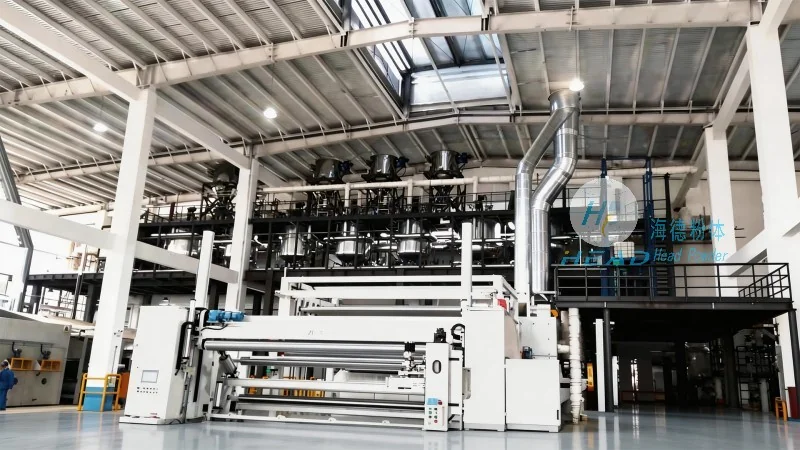
The core of a glass fiber powder pneumatic conveying system lies in the use of compressed air to transport the material. The system typically operates under either positive pressure or negative pressure, depending on the application requirements. In positive pressure systems, air is forced through the conveying line, creating a flow that pulls the glass fiber powder along. Conversely, negative pressure systems use suction to draw the material into the line. The design of the system, including the type of air nozzles, line diameter, and air velocity, is critical to ensuring efficient and consistent transport of glass fiber powders, which often have high dust content and can be abrasive.
Key components of the system include the hopper or feed device, which holds the glass fiber powder, the air compressor or vacuum pump that provides the necessary pressure or suction, and the conveying line itself. The hopper is equipped with a feeding mechanism, such as a rotary valve or screw feeder, to control the flow of the powder into the line. The air compressor generates the required air pressure, while the vacuum pump creates the suction needed for negative pressure systems. The conveying line, often made of materials resistant to abrasion and corrosion, ensures that the glass fiber powder is transported without degradation or contamination. The system also includes control valves and filters to regulate the air flow and remove any particulate matter that may affect the performance of the equipment.
Key Features of Glass Fiber Powder Pneumatic Conveying Systems
One of the primary advantages of glass fiber powder pneumatic conveying systems is their ability to handle fine, abrasive materials like glass fiber without causing wear and tear on the equipment. The system’s design minimizes direct contact between the powder and the conveying components, reducing the risk of clogging and maintenance issues. Additionally, the enclosed nature of the system prevents dust emissions, making it an environmentally friendly solution for industries where air quality is a concern.
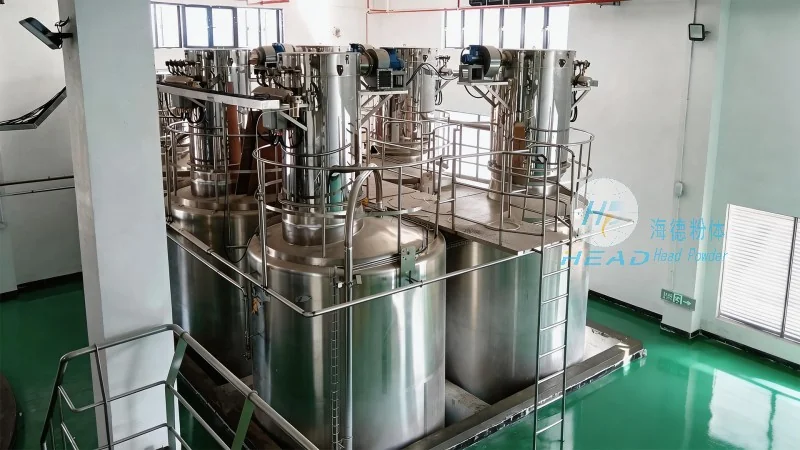
Efficiency is another critical feature, as these systems can transport glass fiber powders over long distances with minimal energy consumption. The air velocity and line design are optimized to achieve the highest possible throughput while maintaining the integrity of the powder. This efficiency is particularly important for manufacturers who need to process large quantities of glass fiber, as it reduces downtime and operational costs. The system also offers flexibility in terms of layout, allowing it to be integrated into existing production lines without major modifications.
Maintenance and operational costs are significantly lower compared to traditional mechanical conveying methods. Since there are fewer moving parts and no direct contact between the powder and the equipment, the risk of breakdowns is reduced. This leads to longer service intervals and lower overall maintenance expenses. Furthermore, the system’s ability to handle abrasive materials means that components like the conveying line and valves are designed to withstand the harsh conditions, extending their lifespan and reducing replacement costs.
Application-Specific Considerations for Glass Fiber Powder Pneumatic Conveying
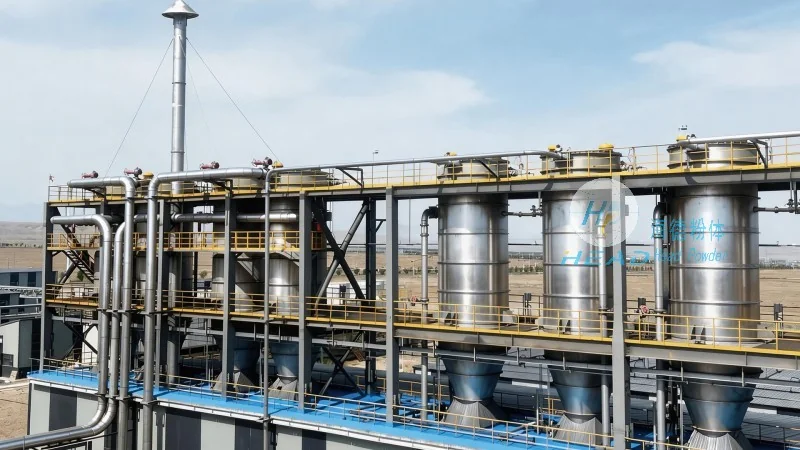
When implementing a glass fiber powder pneumatic conveying system, several factors must be considered to ensure optimal performance. The particle size and density of the glass fiber powder are key determinants, as they affect the air velocity required for effective transport. Larger or denser particles may require higher air pressure or velocity to move efficiently. The system’s design must also account for the dust content of the material, as excessive dust can lead to clogging and reduced efficiency. Proper filtration and cleaning procedures are essential to maintain the system’s performance over time.
Another important consideration is the system’s integration with other production processes. For example, in glass manufacturing, the conveying system may need to connect to a furnace or mixing unit. The design must ensure that the glass fiber powder is delivered to the correct location without any loss or contamination. This requires careful planning of the conveying line layout and the use of appropriate valves and control mechanisms to direct the flow as needed.
Conclusion: The Role of Shandong HeadPowder Engineering Co., Ltd. in Glass Fiber Pneumatic Conveying Solutions
Shandong HeadPowder Engineering Co., Ltd., a leading manufacturer in the field, specializes in designing and manufacturing advanced glass fiber powder pneumatic conveying systems. With years of experience in handling abrasive and fine powders, the company has developed systems that address the unique challenges of glass fiber processing. By leveraging their expertise in material handling and pneumatic technology, Shandong HeadPowder provides customized solutions that enhance efficiency, reduce costs, and improve product quality for their clients. The company’s commitment to innovation and quality ensures that their systems meet the highest industry standards, making them a trusted partner for businesses in the glass and related industries.