

Working Principle and Features of Phosphorus Pentachloride Powder Pneumatic Conveying Equipment
Phosphorus pentachloride (PCl₅) is a highly reactive and corrosive chemical compound widely used in the chemical industry for various applications, including the production of pesticides, pharmaceuticals, and other specialty chemicals. The safe and efficient handling of PCl₅ powder is crucial due to its hazardous nature, making specialized equipment like pneumatic conveying systems essential for industrial operations. This article explores the working principle and key features of a PCl₅ powder pneumatic conveying system, highlighting how such equipment ensures safe material transport while maintaining operational efficiency.
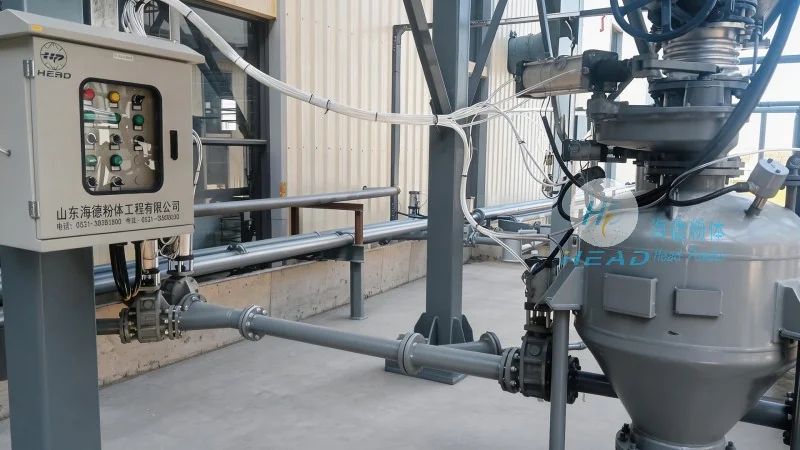
HeadPowder, a leading manufacturer based in Shandong, China, specializes in designing and manufacturing advanced pneumatic conveying solutions tailored to the unique needs of chemical processing industries. The company’s expertise in material handling technology has led to the development of robust PCl₅ powder conveying systems that address the challenges associated with handling this aggressive chemical. By integrating state-of-the-art components and engineering principles, HeadPowder’s equipment ensures reliable performance and minimal risk of exposure or contamination during the conveying process.
The Working Principle of Phosphorus Pentachloride Powder Pneumatic Conveying Equipment
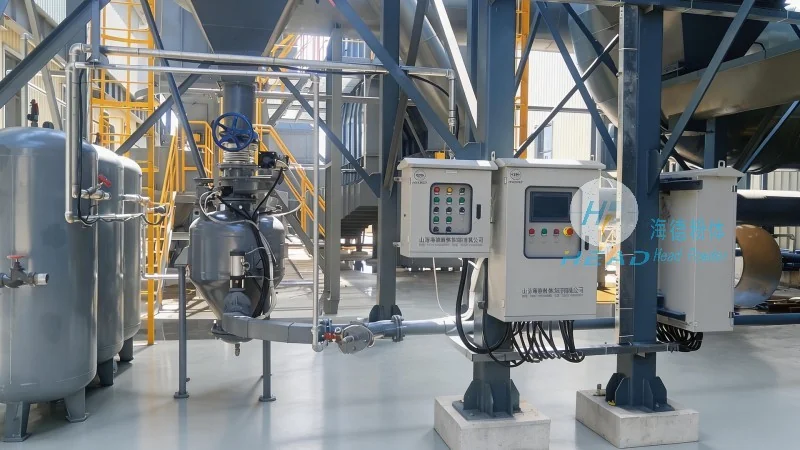
The core mechanism of a PCl₅ powder pneumatic conveying system involves the use of compressed air or gas to transport the solid powder from a source to a destination. The process typically operates on the principle of pneumatic transport, where the powder is suspended in a carrier gas and moved through a pipeline network. The system comprises several key components, including a hopper for material storage, a rotary valve or feeder to control the flow of PCl₅ powder, a compressor to generate the necessary air pressure, and a pipeline system to deliver the material to the target location. The operation begins when the PCl₅ powder is released from the hopper into the feeder, which then meters the material at a controlled rate. The compressor then supplies compressed air, which is introduced into the pipeline, creating a flow that lifts and transports the powder particles. The velocity of the air is critical; it must be sufficient to keep the powder suspended and prevent clogging or blockages in the system. The conveying line may include bends, expansions, or other components, but the design ensures that the air velocity remains above the minimum required to maintain particle suspension. At the destination, the air and powder mixture is separated, often using a cyclone or filter, where the PCl₅ powder is collected and the air is discharged or recirculated. This process allows for continuous, automated material transport without the need for manual handling, significantly reducing the risk of exposure to the hazardous PCl₅ powder.
Key Features of the Phosphorus Pentachloride Powder Pneumatic Conveying System
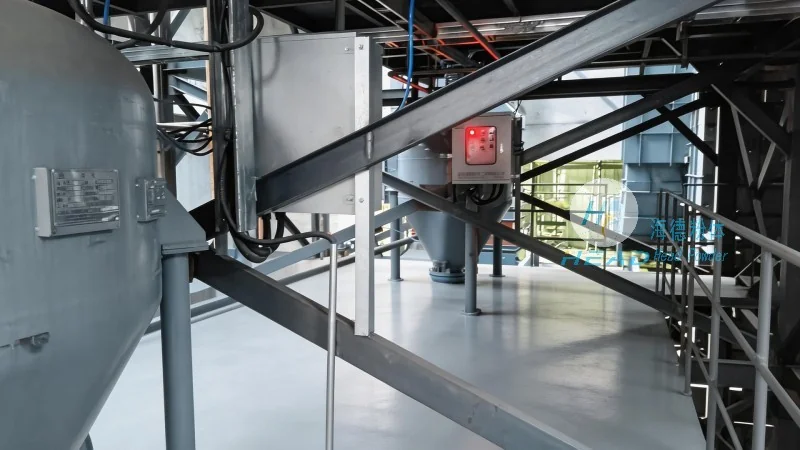
HeadPowder’s PCl₅ powder pneumatic conveying equipment is designed with several key features that enhance safety, efficiency, and reliability. One of the primary features is the use of corrosion-resistant materials, such as stainless steel or specialized alloys, to withstand the aggressive nature of PCl₅. This ensures that the equipment maintains its structural integrity and prevents contamination from the chemical, which could compromise the quality of the conveyed material. The system also incorporates advanced control systems that allow for precise regulation of the powder flow rate and air pressure. These controls are crucial for maintaining consistent conveying performance and preventing overloading or underloading of the system. Additionally, the equipment includes safety features such as pressure relief valves and explosion-proof components to mitigate the risks associated with handling a potentially explosive or reactive chemical. The design of the conveying line, including the use of smooth, non-stick surfaces and appropriate pipe diameters, minimizes the risk of powder buildup and clogging, ensuring continuous operation. Another important feature is the integration of dust collection and filtration systems, which capture any airborne particles and prevent environmental contamination. This not only enhances safety but also complies with environmental regulations, making the system suitable for industrial applications in various regions, including China. The system’s modular design allows for easy installation and maintenance, reducing downtime and operational costs. HeadPowder’s commitment to quality and safety is reflected in the robust construction and reliable performance of their PCl₅ powder conveying equipment, which has been proven effective in numerous industrial settings.
Benefits of Using Phosphorus Pentachloride Powder Pneumatic Conveying Equipment
The adoption of a PCl₅ powder pneumatic conveying system offers several significant benefits for chemical processing facilities. Firstly, it significantly improves safety by eliminating the need for manual handling of the hazardous PCl₅ powder. This reduces the risk of exposure to workers, minimizing the likelihood of accidents or health issues related to the chemical. Secondly, the automated nature of the system enhances operational efficiency, as it allows for continuous and uninterrupted material transport. This leads to increased productivity and reduced downtime compared to traditional manual or mechanical conveying methods. The system also provides better control over the material flow, ensuring consistent quality and preventing variations in the conveyed PCl₅ powder. This is particularly important in applications where the purity and consistency of the chemical are critical, such as in pharmaceutical or specialty chemical production. Additionally, the use of pneumatic conveying reduces the risk of product contamination, as the material is transported in a closed system, preventing exposure to external elements or contaminants. This is essential for maintaining the high standards required in the chemical industry. The system’s ability to handle large volumes of PCl₅ powder efficiently also contributes to cost savings, as it reduces the need for additional labor or equipment to transport the material. Overall, the benefits of using a PCl₅ powder pneumatic conveying system extend beyond safety and efficiency, contributing to improved overall operational performance and compliance with industry standards.
Application Examples and Industry Use Cases
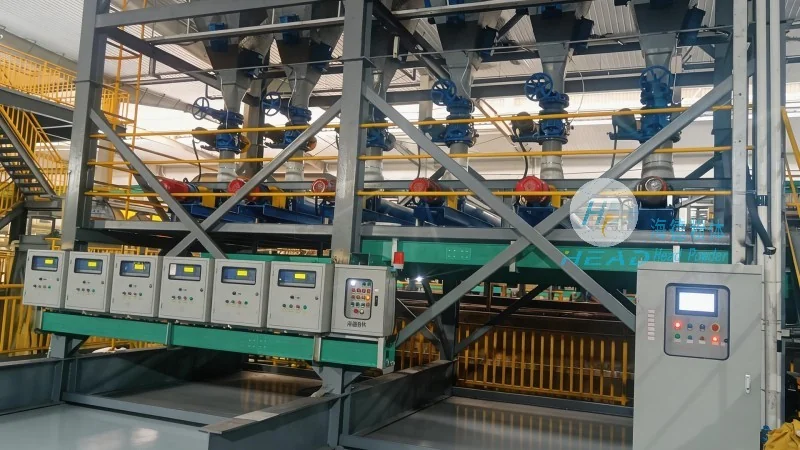
HeadPowder’s PCl₅ powder pneumatic conveying equipment is widely used in various industrial applications where the safe and efficient handling of phosphorus pentachloride is critical. One common application is in the production of pesticides, where PCl₅ is used as an intermediate in the synthesis of chlorinated organic compounds. The conveying system ensures that the PCl₅ powder is transported from storage to reaction vessels without exposure to workers, maintaining a safe working environment. Another application is in the pharmaceutical industry, where PCl₅ is used in the synthesis of certain active pharmaceutical ingredients (APIs). The system’s ability to handle small, precise quantities of PCl₅ with high accuracy is essential for maintaining the purity and consistency of the final product. In the specialty chemical industry, PCl₅ is used in the production of flame retardants and other chemicals, and the conveying system ensures that the material is transported to processing units efficiently. The equipment is also used in research and development laboratories, where small-scale production of PCl₅ is required for experimental purposes. In all these applications, the system’s reliability and safety features are crucial, as the handling of PCl₅ requires strict adherence to safety protocols. HeadPowder’s equipment has been successfully implemented in numerous facilities across China and other regions, demonstrating its effectiveness in meeting the demanding requirements of the chemical industry.
Conclusion and Future Outlook
Phosphorus pentachloride powder pneumatic conveying equipment is a critical component in the safe and efficient handling of this hazardous chemical. The working principle, which relies on pneumatic transport using compressed air, ensures that the PCl₅ powder is transported in a closed system, minimizing exposure risks. Key features such as corrosion-resistant materials, advanced control systems, and safety features enhance the system’s performance and reliability. The benefits of using such equipment include improved safety, increased operational efficiency, and better product quality control. HeadPowder, with its expertise in material handling technology, provides robust and reliable PCl₅ powder conveying systems that meet the needs of various industrial applications. As the chemical industry continues to evolve, the demand for advanced material handling solutions will remain high, and companies like HeadPowder will play a vital role in developing and implementing such technologies. The future of PCl₅ powder pneumatic conveying systems looks promising, with ongoing advancements in materials, control systems, and safety features that will further enhance their performance and applicability in industrial settings.