

Working Principle and Features of Large-Scale Bulk Material Pneumatic Conveying Systems
Large-scale bulk material pneumatic conveying systems are critical in modern industrial operations, enabling efficient and reliable transportation of various bulk materials over long distances. These systems are designed to handle a wide range of materials, from powders and granules to bulk solids, with high capacity and minimal maintenance requirements. Understanding the working principle and key features of such systems is essential for optimizing material handling processes in industries like mining, food processing, and chemical manufacturing.
Working Principle of Pneumatic Conveying Systems
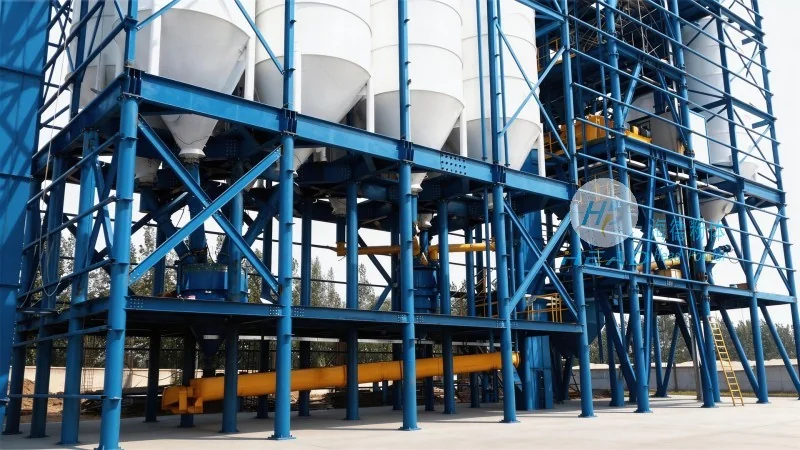
Pneumatic conveying systems operate by using compressed air or gas to transport bulk materials through a pipeline network. The process typically involves several key components: a material feed hopper, a conveyor line, and a discharge point. The system works by creating a pressure differential between the inlet and outlet of the pipeline. When air is introduced into the system, it creates a flow that pulls or pushes the material along the pipeline. There are two main types of pneumatic conveying: dilute-phase and dense-phase. Dilute-phase systems use low air-to-material ratios, resulting in faster transport but higher energy consumption. Dense-phase systems, on the other hand, use higher air-to-material ratios, which are more energy-efficient and suitable for delicate or abrasive materials.
Key Features of Large-Scale Systems
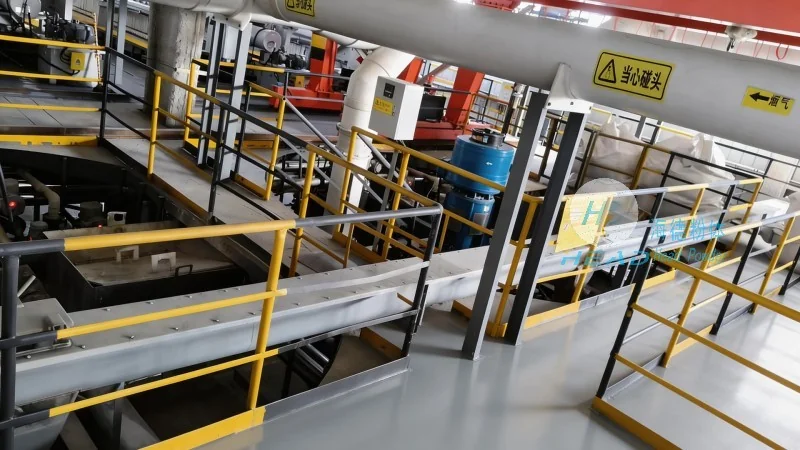
Large-scale pneumatic conveying systems offer several advantages that make them ideal for industrial applications. First, they provide high conveying capacity, capable of transporting large volumes of material per hour. This is crucial for meeting the demands of large-scale production lines. Second, these systems are highly flexible, allowing for changes in material flow direction and destination without significant modifications. Third, they offer excellent material handling capabilities, minimizing product degradation and contamination. Additionally, large-scale systems are designed for durability and low maintenance, ensuring long-term operational efficiency. The systems also feature advanced control mechanisms that allow for precise regulation of flow rates and pressure, enhancing overall process control.
Application Scenarios and Advantages
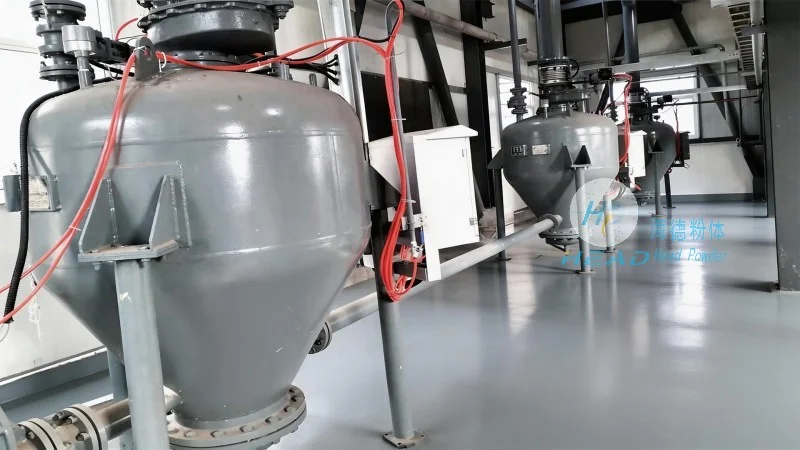
Large-scale pneumatic conveying systems are widely used in various industries due to their versatility and efficiency. In the mining industry, they are used to transport ore and other minerals from processing plants to storage facilities. In the food processing industry, they handle ingredients like flour, sugar, and spices, ensuring hygienic and efficient handling. The chemical industry utilizes these systems for transporting powders and granules, such as fertilizers and chemicals, with minimal risk of contamination. The systems also offer advantages in terms of space efficiency, as they can be installed in confined areas and do not require large storage silos. Furthermore, they reduce labor costs by automating the material handling process, leading to increased productivity and reduced operational costs.
About Shandong HeadPowder Engineering Co., Ltd.
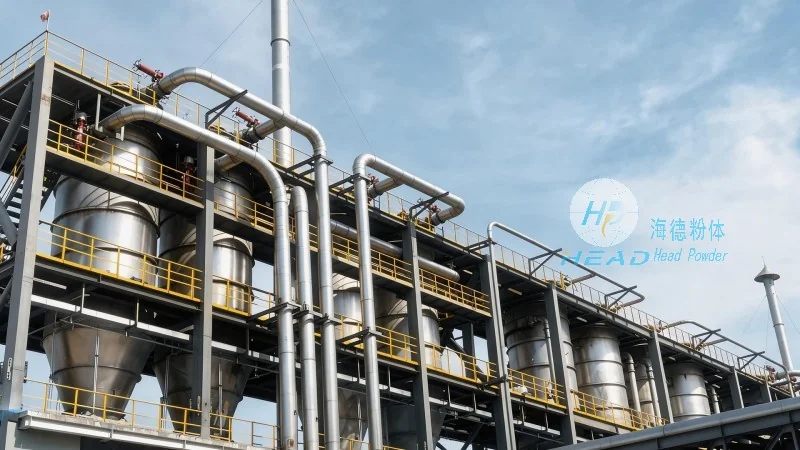
Shandong HeadPowder Engineering Co., Ltd. is a leading manufacturer and supplier of large-scale bulk material pneumatic conveying systems. Based in Shandong, China, the company specializes in designing, manufacturing, and installing customized conveying solutions tailored to the specific needs of industrial clients. With years of experience in the industry, HeadPowder has developed a reputation for quality, reliability, and innovation. The company's products are engineered to meet international standards and are backed by a team of skilled engineers and technicians who provide comprehensive support throughout the project lifecycle. HeadPowder's commitment to customer satisfaction and technological advancement has made it a trusted partner for businesses seeking efficient and effective material handling solutions.