

Working Principle and Features of Low-Pressure Continuous Material Pneumatic Conveying Equipment
Shandong HeadPowder Engineering Co., Ltd. specializes in the design, manufacturing, and supply of advanced pneumatic conveying systems, including low-pressure continuous material conveying equipment. This article provides an in-depth look at the working principle and key features of such equipment, which is widely used in various industrial sectors for efficient material handling.
Introduction to Low-Pressure Continuous Pneumatic Conveying Systems
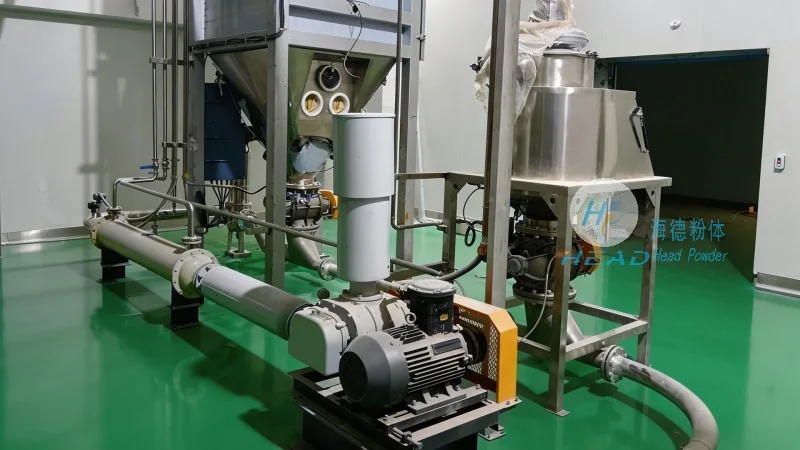
Low-pressure continuous material pneumatic conveying systems are essential for transporting bulk materials from one location to another without the need for mechanical components like belts or buckets. These systems operate by using a controlled flow of air or gas to move particles through a pipeline network. The technology is particularly advantageous for handling powders, granules, and other dry materials, offering advantages such as minimal product contamination, low maintenance requirements, and the ability to transport materials over long distances.
Working Principle of Low-Pressure Continuous Material Pneumatic Conveying Equipment
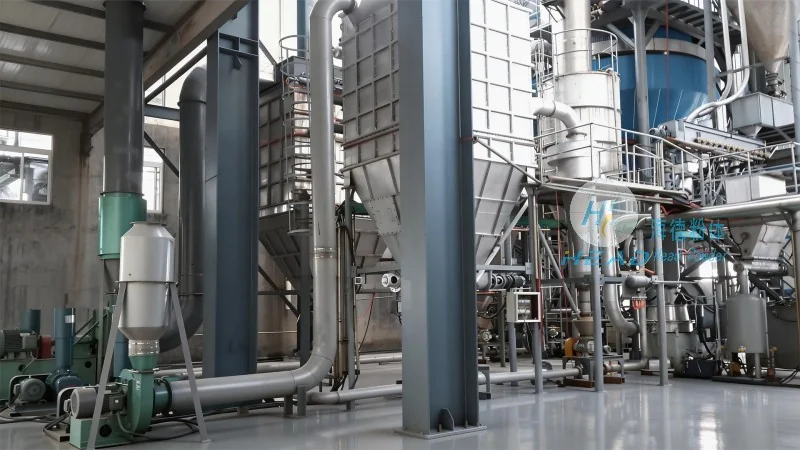
The core working principle of low-pressure continuous pneumatic conveying systems involves the creation of a differential pressure between the inlet and outlet of the conveying line. A fan or blower generates a low-pressure air stream that draws material from the source hopper into the pipeline. The material is then suspended in the air stream and carried to the destination point. The system typically includes a hopper for material storage, a feeder to control the flow rate, a pipeline network, and a receiver for the discharged material. The continuous operation ensures a steady flow of material, making it suitable for applications requiring consistent throughput.
Key Features of Low-Pressure Continuous Material Pneumatic Conveying Equipment
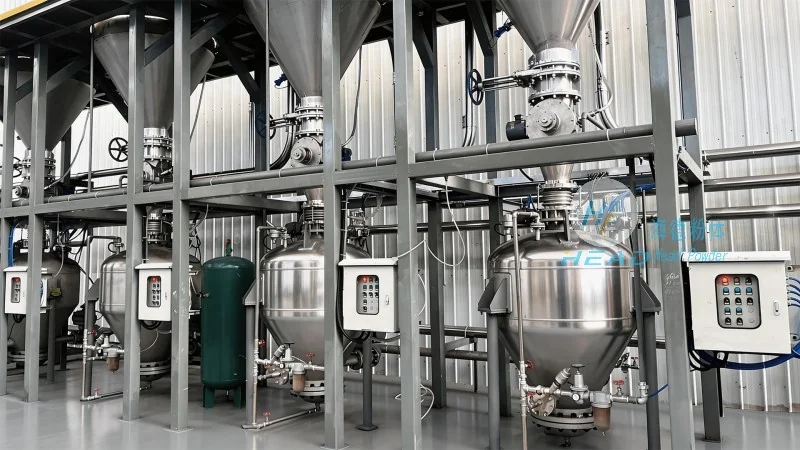
Low-pressure continuous material pneumatic conveying equipment offers several notable features that enhance its performance and usability in industrial settings. Firstly, it provides a clean and hygienic method of material transport, as the system is enclosed and the air stream can be filtered to prevent contamination. Secondly, the equipment is highly flexible, allowing for changes in the conveying route or material type without significant modifications. Thirdly, it requires less maintenance compared to traditional mechanical conveyors, as there are fewer moving parts. Additionally, the system can handle a wide range of material properties, including different particle sizes, densities, and moisture contents. The low-pressure operation also reduces energy consumption and noise levels, contributing to a more environmentally friendly and cost-effective solution for material handling.
Applications and Benefits in Industrial Operations
Low-pressure continuous material pneumatic conveying equipment is widely applied in industries such as food processing, pharmaceuticals, chemicals, and mining. In food processing, it is used to transport ingredients like flour, sugar, and spices, ensuring that the materials remain uncontaminated and maintain their quality. In the pharmaceutical industry, the system is crucial for handling active pharmaceutical ingredients (APIs) and other sensitive materials, as it provides a sterile and controlled environment. The equipment also plays a vital role in chemical manufacturing, where it transports powders and granules safely and efficiently. The benefits of using this equipment include improved productivity, reduced labor costs, and enhanced safety in material handling operations.
Conclusion
Low-pressure continuous material pneumatic conveying equipment, as offered by Shandong HeadPowder Engineering Co., Ltd., represents a reliable and efficient solution for bulk material transport. By understanding its working principle and key features, industries can make informed decisions about integrating this technology into their operations. The system's ability to handle various materials, maintain product quality, and reduce operational costs makes it a valuable asset in modern industrial processes.