

Working Principle and Features of Ship Loading and Unloading Material Pneumatic Conveying Equipment
Ship loading and unloading material pneumatic conveying equipment is a critical piece of industrial machinery used in ports and terminals to efficiently transfer bulk materials between ships and land-based storage or processing facilities. This equipment, manufactured by Shandong HeadPowder Engineering Co., Ltd., a leading company in the field, operates on the principle of using air to move materials through a pipeline system. Understanding its working principle and key features is essential for industries dealing with bulk cargo, such as grains, minerals, and other dry or semi-dry materials.
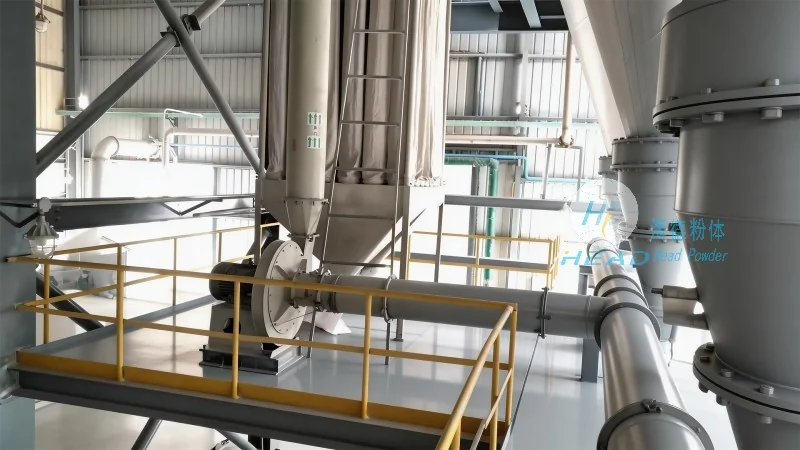
Working Principle of Ship Loading and Unloading Pneumatic Conveying Equipment
The core working principle of this equipment revolves around the use of compressed air or vacuum to transport materials. There are two main types of pneumatic conveying systems: suction (or vacuum) and pressure systems. For ship loading and unloading applications, both types are commonly employed depending on the specific requirements of the operation.
In the suction system, a vacuum is created at the material inlet to draw the material into the pipeline. The material is then carried by the air flow to the discharge point. This method is particularly suitable for loading bulk materials from ships, as it can handle materials that are prone to dust or require a gentle handling process. The equipment typically includes a hopper at the ship's hold, a vacuum pump, and a pipeline network that connects to the discharge point on land.
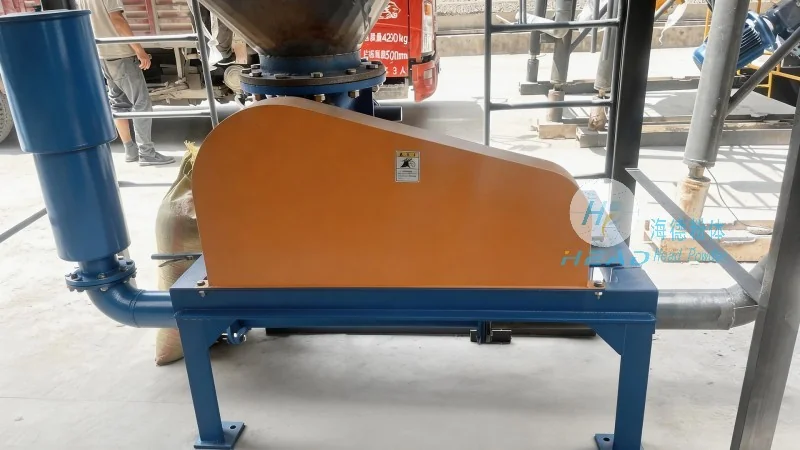
On the other hand, the pressure system uses compressed air to push the material through the pipeline. The material is first loaded into a hopper or feeder, and then air is introduced to create pressure that propels the material forward. This method is often used for unloading operations from ships, as it can handle larger volumes of material and is more efficient for moving materials over longer distances. The pressure system may include a blower, a feeder, and a pipeline network that leads to the storage area or processing plant.
Both systems rely on the design of the pipeline network, which may include bends, valves, and filters to ensure smooth material flow and prevent blockages. The equipment also incorporates control systems that regulate the air pressure and flow rate, ensuring optimal performance and safety during operation. The use of advanced materials and engineering designs in the construction of these systems enhances their durability and efficiency, making them suitable for continuous and heavy-duty operations in port environments.
Key Features of Ship Loading and Unloading Pneumatic Conveying Equipment
Shandong HeadPowder Engineering Co., Ltd. offers pneumatic conveying equipment with several notable features that make it ideal for ship loading and unloading applications. These features are designed to enhance operational efficiency, safety, and reliability in demanding port environments.
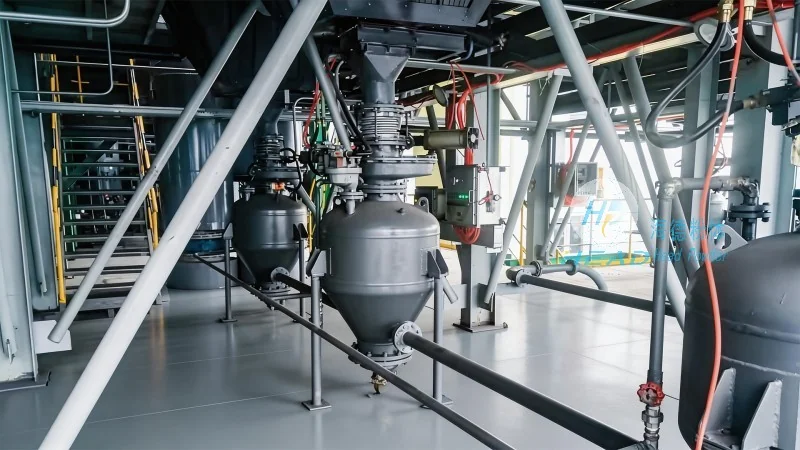
Firstly, the equipment is characterized by its high efficiency in material transfer. By using air as the conveying medium, it can move large volumes of bulk materials quickly and with minimal labor. This reduces the time required for loading and unloading operations, thereby increasing the overall productivity of the port. The system can handle various types of materials, including powders, granules, and even bulk solids, making it versatile for different cargo types.
Secondly, the equipment offers excellent flexibility in operation. The modular design of the pipeline network allows for easy adjustment and reconfiguration to accommodate different ship sizes and cargo types. This flexibility is crucial in ports where the types of vessels and cargo vary frequently. Additionally, the equipment can be integrated with other port infrastructure, such as storage silos and processing plants, to create a seamless material handling system.
Thirdly, the equipment is designed with safety and environmental considerations in mind. The use of enclosed pipelines prevents dust emissions and minimizes the risk of material spillage, which is important for maintaining a clean and safe working environment. The equipment also includes safety features such as pressure relief valves and emergency shut-off systems to prevent accidents and ensure operator safety.
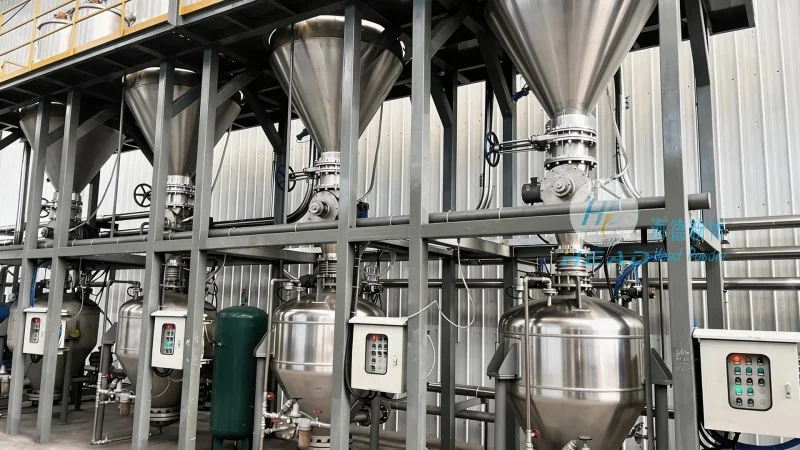
Furthermore, the equipment is built for durability and low maintenance. High-quality materials, such as stainless steel and corrosion-resistant alloys, are used in the construction of the pipeline and components, ensuring long service life even in harsh marine environments. The design also minimizes the number of moving parts, reducing the risk of mechanical failure and the need for frequent maintenance. This results in lower operational costs and higher reliability over the equipment's lifespan.
In summary, ship loading and unloading material pneumatic conveying equipment, as provided by Shandong HeadPowder Engineering Co., Ltd., combines advanced engineering principles with practical design features to deliver efficient, flexible, and reliable material handling solutions for ports and terminals. Its working principle, based on pneumatic transport, and its key features, including high efficiency, operational flexibility, safety, and durability, make it an essential component of modern bulk material handling systems.