

Working Principle and Features of Urea Pneumatic Conveying Equipment
HeadPowder, a leading manufacturer based in Shandong, China, specializes in the design and production of advanced pneumatic conveying systems tailored for urea material handling. This article delves into the working principle and key features of urea pneumatic conveying equipment, providing a comprehensive overview for industry professionals seeking efficient and reliable solutions.
Working Principle of Urea Pneumatic Conveying Equipment
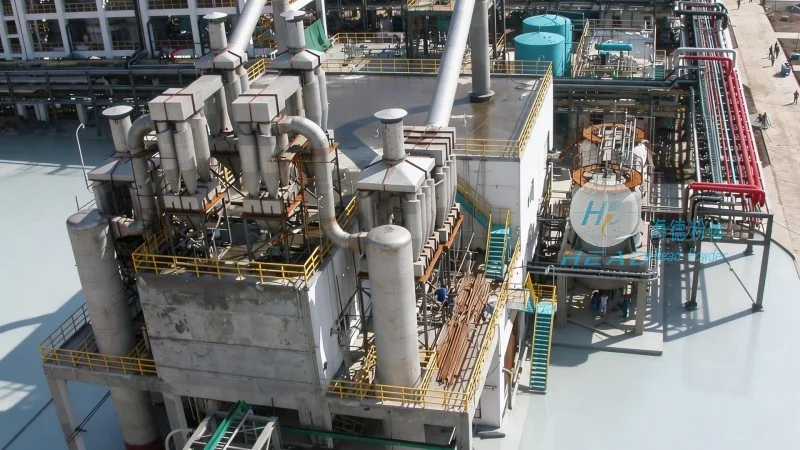
The working principle of urea pneumatic conveying equipment involves a multi-step process that ensures efficient material transport. The system begins with the storage of urea in a hopper, where the material is held under controlled conditions. From the hopper, urea is transferred to the rotary valve, which serves as a critical component for controlling the flow of material into the conveying line. The rotary valve is designed to handle the abrasive nature of urea, preventing wear and ensuring consistent feeding. Once the material is introduced into the pipeline, a high-pressure air compressor generates the necessary air pressure. This compressed air is then introduced into the pipeline, creating a pressure differential that draws the urea particles into the air stream. The air and material mixture travels through the pipeline, with the velocity and pressure maintained to prevent material settling or blockages. The system may employ either dense phase or dilute phase conveying, depending on the specific application requirements. Dense phase conveying uses higher air velocities to maintain a more concentrated material-air mixture, while dilute phase conveying relies on lower velocities, making it suitable for longer distances or more delicate materials. After the material reaches its destination, the air is typically filtered and recycled, or released through a silencer to manage noise and air quality. This closed-loop or controlled release system ensures minimal environmental impact and operational efficiency.
Key Features of Urea Pneumatic Conveying Equipment
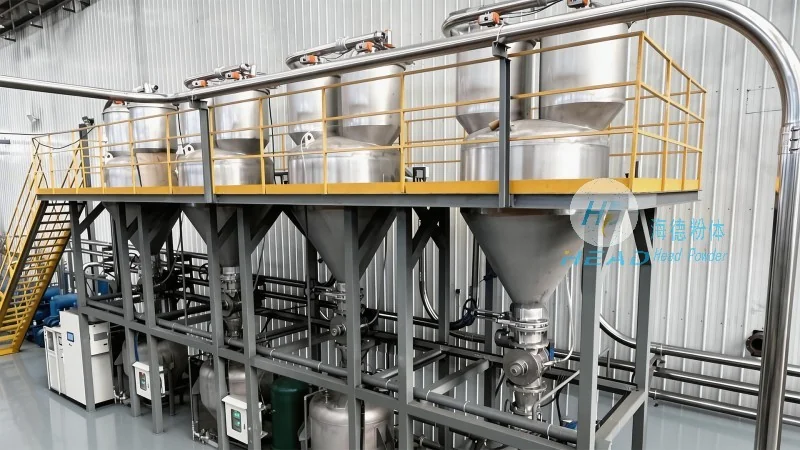
Key features of urea pneumatic conveying equipment from HeadPowder are designed to address the unique challenges of urea handling, such as its hygroscopic nature and potential for dust generation. The equipment incorporates advanced material handling capabilities, including the ability to handle both granular and prilled urea forms, ensuring versatility in application. The system's durability is enhanced through the use of corrosion-resistant materials, such as stainless steel and special alloys, which resist the chemical reactions with urea and maintain structural integrity over extended periods. Additionally, the equipment is equipped with intelligent control systems that allow for real-time monitoring of pressure, flow, and temperature, enabling proactive maintenance and reducing downtime. The modular design of the conveying system allows for easy customization and integration with existing infrastructure, making it adaptable to various production environments. Safety is a top priority, with built-in safety features like pressure relief valves, emergency stop buttons, and automatic shut-off mechanisms to prevent accidents and ensure operator safety. The equipment also minimizes environmental impact by incorporating efficient filtration systems that capture dust and particulates, complying with local environmental regulations. Overall, these features make urea pneumatic conveying equipment from HeadPowder a reliable and efficient choice for industries requiring consistent and safe urea transport.
Conclusion
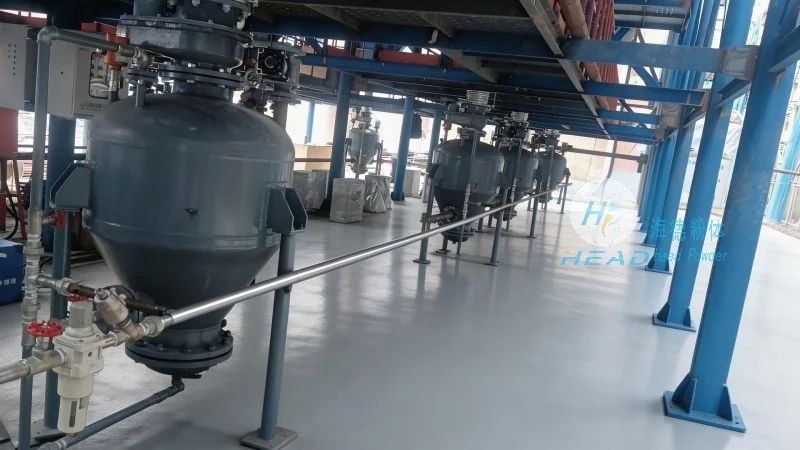
Urea pneumatic conveying equipment from Shandong HeadPowder Engineering Co., Ltd. combines advanced technology with robust engineering to deliver efficient, reliable, and cost-effective solutions for urea material handling. By understanding the working principle and key features of these systems, users can make informed decisions to enhance their operational productivity and maintain compliance with industry standards. HeadPowder's commitment to quality and innovation ensures that their pneumatic conveying systems meet the evolving needs of the urea industry, providing long-term value and performance.