

Working Principle and Features of Pneumatic Conveying Equipment for Winery Slurry Materials
Winery slurry, a byproduct of the winemaking process, presents unique challenges in material handling due to its high moisture content, organic composition, and tendency to clump or stick to surfaces. Traditional conveying methods like belt conveyors or screw conveyors often struggle with these characteristics, leading to inefficiencies, equipment wear, and potential contamination. Pneumatic conveying systems, specifically designed for such challenging materials, offer a solution that combines efficiency, flexibility, and environmental friendliness. This article explores the working principle and key features of pneumatic conveying equipment tailored for winery slurry materials, highlighting how such systems enhance operational performance in wineries.
Working Principle of Pneumatic Conveying for Winery Slurry
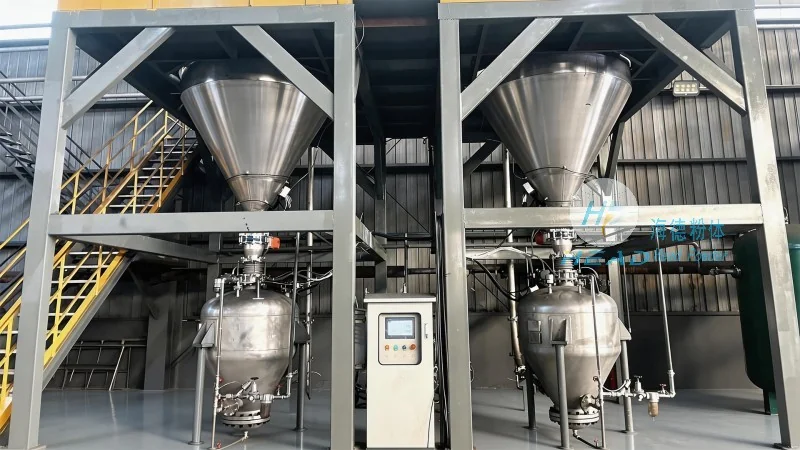
Pneumatic conveying utilizes compressed air or gas to transport bulk materials through a pipeline. In the context of winery slurry, the system typically operates under positive pressure, where air is forced through the pipeline, carrying the slurry particles along with it. The core components of a pneumatic conveying system for winery slurry include a hopper for material storage, a feeder to control the flow rate, a compressor to generate the necessary air pressure, and a pipeline network that directs the slurry to its destination. The process begins when the slurry is fed into the hopper, where it is mixed with air from the compressor. As the air flows through the pipeline, it creates a flow of air-solids mixture, which propels the slurry particles forward. The velocity of the air is carefully controlled to ensure that the slurry particles remain suspended without settling or clogging the pipeline. This suspension is achieved by maintaining a specific air-to-solids ratio, which is critical for efficient transport. The system may also include a separator or cyclone at the receiving end to separate the slurry from the air, allowing the slurry to be deposited in a collection tank or processing unit. The entire process is automated, with sensors and controls monitoring pressure, flow rate, and material level to maintain optimal operation.
Key Features of Pneumatic Conveying Equipment for Winery Slurry
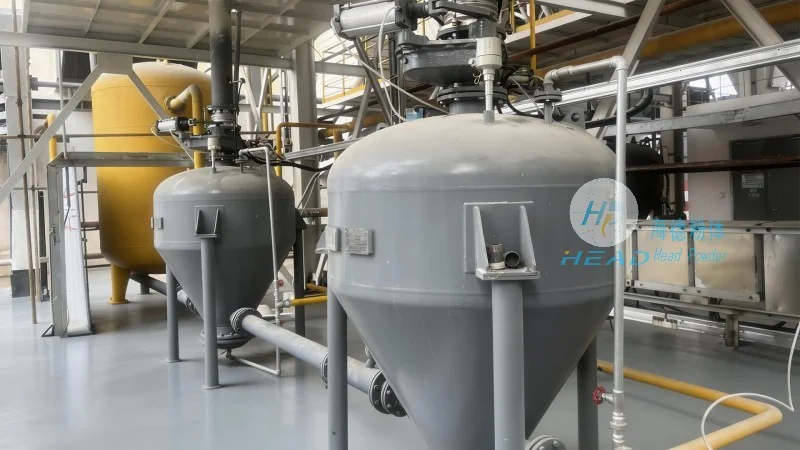
The pneumatic conveying equipment designed for winery slurry materials is engineered with several features that address the specific challenges of handling this material. Firstly, the equipment is constructed from materials resistant to corrosion and abrasion, such as stainless steel or specialized alloys, to withstand the acidic and organic nature of the slurry. This ensures durability and long-term performance, reducing maintenance costs and downtime. Secondly, the system incorporates advanced feeding mechanisms, such as rotary valves or screw feeders, which provide precise control over the slurry flow rate. This control is essential for maintaining consistent air-to-solids ratios and preventing overloading or underloading of the pipeline. Thirdly, the equipment is designed for low energy consumption, utilizing efficient compressors and optimized pipeline designs to minimize operational costs. The compact and modular design of the system allows for easy installation and integration into existing winery facilities, with minimal disruption to production processes. Additionally, the pneumatic conveying system offers a hygienic and clean environment, as the slurry is contained within the pipeline and not exposed to external elements, reducing the risk of contamination and odor issues. The system also facilitates easy cleaning and maintenance, with features like CIP (Clean-In-Place) capabilities that allow for thorough sanitation without disassembling the equipment.
Benefits of Implementing Pneumatic Conveying for Winery Slurry Handling
Adopting pneumatic conveying equipment for winery slurry handling offers numerous benefits that enhance overall winery operations. The primary advantage is the significant improvement in material handling efficiency, as the system can transport slurry over long distances with minimal loss or degradation. This efficiency reduces the need for multiple handling steps and equipment, streamlining the production process. Additionally, the system minimizes material waste and loss, as the slurry is contained within the pipeline and not spilled or lost during transport. This not only reduces operational costs but also contributes to environmental sustainability by preventing contamination of the surrounding environment. The hygienic design of the equipment ensures that the slurry remains clean and free from contaminants, which is crucial for maintaining product quality and meeting regulatory standards. Furthermore, the low maintenance requirements of the system reduce downtime and operational costs, allowing wineries to focus on production and quality control. The flexibility of the pneumatic conveying system allows for easy adjustment of the conveying rate and destination, accommodating changes in production volume or processing needs. Overall, the implementation of pneumatic conveying equipment for winery slurry materials provides a reliable, efficient, and sustainable solution for handling this challenging byproduct, contributing to improved operational performance and environmental responsibility.
Conclusion
In conclusion, pneumatic conveying equipment for winery slurry materials operates on a principle of using compressed air to transport the material through a pipeline, with components designed to handle the unique characteristics of slurry. The key features of such equipment, including corrosion-resistant construction, precise feeding mechanisms, low energy consumption, and hygienic design, address the challenges of handling this material effectively. The benefits of implementing this technology include improved efficiency, reduced waste, enhanced hygiene, and lower maintenance costs, all of which contribute to better overall performance in wineries. As wineries continue to seek more effective and sustainable solutions for material handling, pneumatic conveying systems remain a valuable option for managing winery slurry, ensuring that this byproduct is handled in a way that supports both operational efficiency and environmental responsibility.